

Introduction
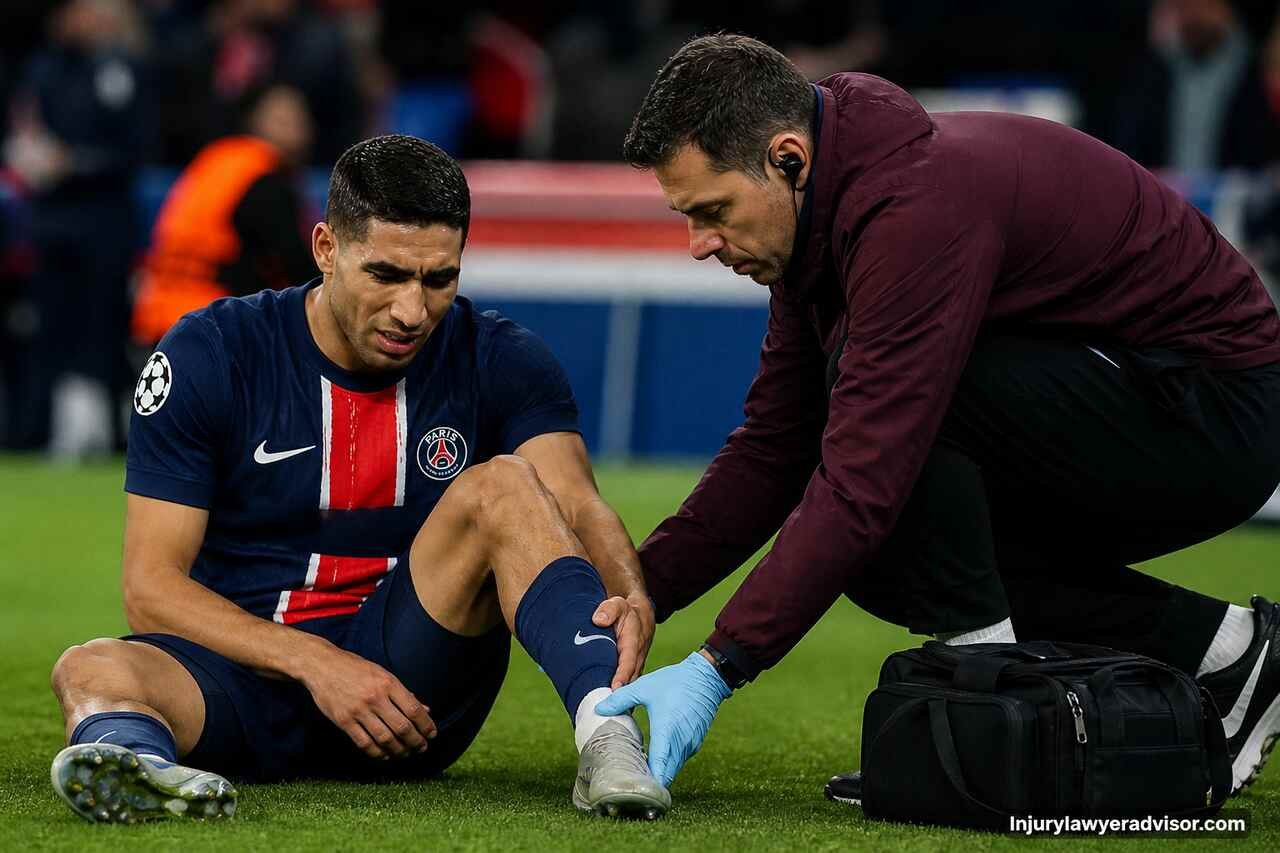
Achraf Hakimi remains one of the most influential modern full-backs in world football. His pace, defensive recovery, attacking overlaps, and tactical versatility make him essential for both club and country. Whenever a Hakimi injury occurs, coaches, supporters, fantasy football managers, and analysts immediately assess the consequences because his absence changes defensive balance, transition speed, and attacking width.
A player with explosive acceleration and high-intensity movement faces constant physical stress throughout a demanding season. Muscle fatigue, ankle problems, hamstring strains, and collision-related setbacks are common concerns for elite footballers who play multiple competitions across domestic leagues, continental tournaments, and international fixtures. Understanding the details behind a Hakimi injury helps fans evaluate recovery timelines, rehabilitation expectations, squad adjustments, and long-term performance implications.
This guide explains the most important aspects of Hakimi injuries, including medical evaluation, common football-related physical issues, rehabilitation methods, match impact, training adjustments, recovery management, prevention strategies, and expected return-to-play standards. The article also explores how elite clubs manage player health using sports science, physiotherapy, nutrition, and tactical rotation.
Evaluate the Severity of a Hakimi Injury
The first stage after any Hakimi injury involves determining the severity of the issue through clinical observation and medical assessment. Team doctors analyze pain levels, movement limitations, swelling, stability, and muscle response immediately after the incident. Early evaluation determines whether the player can continue temporarily or requires immediate substitution.
Medical staff typically use imaging tools such as MRI scans, ultrasound diagnostics, and X-rays to identify tissue damage, ligament strain, bone impact, or muscle tears. Hamstring injuries often require grading systems that classify the level of damage from mild discomfort to severe rupture. An ankle injury may involve ligament instability, while knee problems require deeper structural analysis.
Elite football organizations prioritize accurate diagnosis because rushed conclusions can worsen long-term health outcomes. A minor strain may only require short-term rest, but an untreated muscular issue can evolve into chronic recurrence. Clubs competing in domestic leagues and European tournaments depend heavily on precise medical decisions to protect performance across the season.
| Injury Type | Common Symptoms | Typical Recovery Range | Risk Level |
| Hamstring Strain | Tightness, sprint pain | 2 to 6 weeks | Medium to High |
| Ankle Sprain | Swelling, instability | 1 to 5 weeks | Medium |
| Knee Impact | Restricted movement | 2 to 8 weeks | High |
| Muscle Fatigue | Soreness, reduced speed | Several days | Low |
| Calf Strain | Sharp lower-leg pain | 1 to 4 weeks | Medium |
Monitor Hamstring Problems During High-Intensity Matches
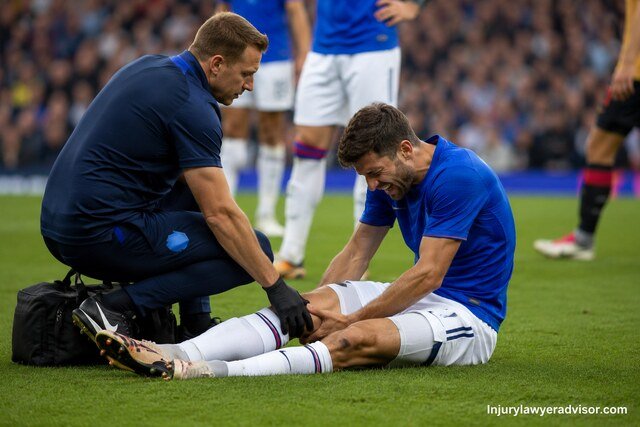
Hamstring injuries represent one of the biggest concerns for explosive footballers like Hakimi. Sprinting repeatedly at high speed places enormous pressure on the posterior thigh muscles, especially during transitions from defense to attack. Players who rely on acceleration and recovery runs often experience overload during congested schedules.
A hamstring problem usually begins with discomfort during sprinting, sudden deceleration, or directional changes. Medical teams assess flexibility, muscle imbalance, and strain severity before approving any return to training. Rehabilitation programs include controlled running, strengthening drills, flexibility sessions, and progressive sprint testing.
Clubs monitor workload carefully because recurrence rates for hamstring injuries remain high in professional football. Excessive minutes, limited recovery periods, travel fatigue, and insufficient conditioning increase vulnerability. Managers often rotate key players during domestic cup matches or lower-risk league fixtures to reduce muscular stress.
Sports scientists now rely heavily on GPS tracking systems to monitor acceleration intensity, total sprint distance, and fatigue markers. Data-driven conditioning allows medical teams to identify warning signs before muscle overload becomes severe. Preventive monitoring has become essential for elite football clubs aiming to maintain player availability throughout long campaigns.
Assess Ankle Injuries After Tackles and Collisions
Ankle injuries frequently affect wide defenders because they engage in tackles, rapid directional movement, and physical duels near the touchline. A Hakimi injury involving the ankle can result from awkward landings, opponent challenges, or sudden twisting motion while sprinting.
Doctors examine ligament stability, swelling, bruising, and weight-bearing ability immediately after the incident. Mild ankle sprains may heal quickly with compression, ice therapy, and limited movement. More serious ligament damage can require immobilization, extended physiotherapy, and gradual mobility restoration.
Ankle instability affects more than defensive performance. Full-backs depend on balance and explosive push-offs to overlap into attacking positions. Reduced ankle confidence impacts crossing ability, acceleration, and agility during one-versus-one situations. Clubs therefore avoid rushing players back before mobility returns completely.
Protective taping, ankle braces, proprioception drills, and balance training help reduce recurrence risk. Rehabilitation specialists often include single-leg exercises and controlled agility work to restore confidence under match-like conditions. These methods improve stability and support long-term durability.
Manage Muscle Fatigue During Congested Schedules
Modern football schedules create continuous physical stress for elite players. League matches, Champions League fixtures, international travel, and domestic cup competitions reduce recovery opportunities. A Hakimi injury linked to muscle fatigue often develops gradually rather than through one major incident.
Fatigue-related issues begin with reduced explosiveness, slower recovery runs, muscle tightness, and elevated soreness after matches. Sports medicine departments monitor hydration, sleep quality, muscular load, and biochemical indicators to detect overtraining. Recovery protocols become especially important during winter periods and tournament-heavy months.
Teams use cryotherapy, hydrotherapy, massage therapy, stretching routines, and individualized recovery sessions to manage cumulative fatigue. Nutrition specialists also contribute by optimizing protein intake, carbohydrate replenishment, and electrolyte balance. Proper recovery supports muscular repair and energy restoration.
Coaches increasingly rotate players to avoid excessive workloads. Tactical substitutions, reduced training intensity, and strategic rest periods help preserve physical freshness. Clubs competing for multiple trophies understand that player availability often determines season success more than short-term intensity.
Analyze Knee Concerns During Defensive Transitions
Knee injuries remain among the most serious concerns in professional football because they affect mobility, stability, and long-term athletic performance. A Hakimi injury involving the knee attracts immediate attention due to the demanding movement patterns required from attacking full-backs.
Medical evaluation focuses on ligament integrity, cartilage condition, swelling levels, and joint stability. Sudden twisting motions, direct collisions, and awkward landings commonly contribute to knee-related problems. Depending on severity, recovery may involve conservative rehabilitation or surgical intervention.
Knee rehabilitation requires careful progression because premature return increases reinjury risk. Athletes complete strengthening exercises targeting quadriceps, hamstrings, glutes, and stabilizing muscles before returning to competitive action. Running mechanics and landing techniques also receive close attention.
Clubs invest heavily in knee injury prevention because long-term absences can significantly alter tactical structure. Defensive systems often rely on pace-oriented players to cover space quickly. When explosive defenders miss extended periods, teams may adjust pressing systems, transition speed, and attacking width.
Follow Rehabilitation Programs After a Hakimi Injury
Rehabilitation determines whether a player returns stronger or experiences repeated setbacks. Following a Hakimi injury, medical staff create individualized programs based on injury type, physical condition, recovery progress, and competitive schedule.
Early rehabilitation focuses on reducing inflammation and restoring pain-free movement. Physiotherapists guide flexibility routines, controlled resistance work, and gradual mobility exercises. As healing progresses, strength and endurance training become more intensive.
Functional football-specific drills form the final stage of recovery. Players complete sprint testing, acceleration work, directional changes, crossing practice, and defensive movement simulations before receiving match clearance. Clubs carefully compare current metrics against pre-injury performance data.
Psychological readiness also matters during rehabilitation. Players returning from injuries occasionally hesitate during tackles or sprints because confidence remains incomplete. Sports psychologists and performance coaches help athletes rebuild trust in their bodies through structured progression and mental conditioning.
| Rehabilitation Stage | Main Objective | Typical Activities |
| Acute Recovery | Reduce pain and swelling | Ice therapy, compression, rest |
| Mobility Restoration | Improve movement | Stretching, light physiotherapy |
| Strength Building | Restore muscle capacity | Resistance training, balance work |
| Functional Training | Simulate football actions | Sprinting, agility drills |
| Match Reintegration | Prepare for competition | Team sessions, controlled minutes |
Adjust Tactical Systems During Hakimi Absence
A Hakimi injury affects tactical organization because modern full-backs contribute heavily to both attack and defense. Coaches must modify defensive shape, transition patterns, and overlapping runs when replacing an elite wide player.
Hakimi typically provides width, speed, progressive carries, and recovery pace. Without those qualities, teams may rely more on central buildup or conservative defensive positioning. Replacement players often offer different strengths, forcing tactical adaptation.
Managers occasionally shift formations to compensate for missing athleticism. A back-three system may provide additional defensive coverage, while midfielders support wide areas more aggressively. Teams may also reduce pressing intensity to avoid exposing slower defensive transitions.
Opponents frequently target weakened flanks after injuries to key defenders. Analysts study replacement tendencies and exploit spacing issues near wide channels. Maintaining tactical balance therefore becomes essential during recovery periods.
Strengthen Defensive Fitness Before Returning to Competition
Returning too early after a Hakimi injury can create major setbacks. Clubs therefore prioritize defensive fitness testing before approving competitive appearances. Match intensity differs significantly from controlled training sessions because football requires explosive unpredictability.
Fitness staff assess sprint speed, recovery acceleration, endurance capacity, directional movement, and muscular symmetry before final clearance. GPS performance data helps compare current physical output against historical benchmarks. A player may feel comfortable physically but still lack elite-level explosiveness.
Controlled reintegration usually begins with limited minutes from the bench. Medical teams evaluate post-match soreness, fatigue response, and muscular stability after each appearance. Progressive workload management reduces reinjury risk while rebuilding competitive rhythm.
Managers often coordinate closely with sports scientists when planning returns. A player recovering from muscle strain may avoid consecutive matches initially, especially during periods with heavy travel or compressed scheduling. Long-term availability remains more important than immediate short-term usage.
Improve Recovery Through Nutrition and Sports Science
Modern football recovery extends far beyond basic rest. Sports science departments play a major role in helping athletes recover after a Hakimi injury through advanced monitoring systems and personalized nutritional planning.
Protein supports muscle repair, carbohydrates restore glycogen stores, and hydration maintains cellular performance. Nutritionists tailor meal plans according to training intensity, recovery stage, and body composition goals. Anti-inflammatory foods may also support healing during rehabilitation.
Sleep optimization remains another critical factor. Growth hormone release during deep sleep contributes directly to tissue repair and muscular recovery. Clubs increasingly monitor sleep patterns using wearable technology and individualized recovery strategies.
Data analytics help identify fatigue trends before injuries become severe. Teams analyze sprint metrics, heart-rate variability, workload accumulation, and biomechanical movement patterns to reduce long-term risk. Elite football increasingly combines medical expertise with technological innovation.
Compare Short-Term Injuries and Long-Term Setbacks
Not every Hakimi injury carries the same level of concern. Some issues involve minor muscular discomfort that resolves quickly, while others create long-term consequences affecting availability and performance.
Short-term injuries generally include mild strains, bruises, fatigue-related soreness, and low-grade ankle sprains. Players often return within days or weeks after targeted recovery programs. Tactical disruption remains manageable during these periods.
Long-term setbacks usually involve severe ligament damage, major muscle tears, fractures, or recurring chronic problems. These injuries influence transfer planning, squad rotation, and season objectives because replacements may be required.
The distinction between short-term and long-term injuries shapes club strategy significantly. Medical caution often increases when players participate in multiple competitions simultaneously. Teams aiming for domestic and international success must balance urgency with player protection.
Evaluate Match Readiness After Medical Clearance
Medical clearance does not automatically mean full readiness for elite football competition. Following a Hakimi injury, coaching staff and sports scientists conduct additional assessments to ensure complete preparedness.
Performance testing includes sprint repetition, agility reaction, passing sharpness, crossing efficiency, and defensive movement under pressure. Match simulation drills recreate realistic intensity levels to evaluate physical confidence and endurance.
Clubs also assess tactical readiness. Players absent for several weeks may require reintegration into pressing systems, defensive communication patterns, and attacking rotations. Team chemistry becomes especially important for full-backs who coordinate closely with wingers and midfielders.
Managers sometimes protect returning players by reducing responsibilities initially. Conservative positioning and managed workloads allow athletes to rebuild rhythm gradually before returning to maximum intensity.
Prevent Future Injuries Through Conditioning Programs
Preventive conditioning has become a major focus in elite football because injury-related absences affect both competitive performance and financial planning. Clubs use specialized programs to reduce the likelihood of another Hakimi injury.
Strength training targets muscular balance, joint stability, and explosive control. Core conditioning improves body mechanics during sprinting and directional changes. Flexibility routines help maintain movement efficiency under physical stress.
Warm-up protocols now include neuromuscular activation exercises designed to prepare muscles for explosive movement. Dynamic stretching, acceleration drills, and mobility exercises reduce injury probability before matches and training sessions.
Long-term prevention also depends on intelligent scheduling. Clubs carefully monitor travel demands, recovery windows, and training intensity to avoid cumulative overload. Sustainable physical management helps players maintain elite performance throughout demanding seasons.
Understand the Impact on Club Performance and League Results
A Hakimi injury influences more than individual availability because elite full-backs contribute directly to overall team structure. Clubs often experience measurable changes in transition speed, defensive recovery, and attacking width during absences.
Defensively, Hakimi provides recovery pace against counterattacks and supports aggressive pressing systems. Without his speed, defensive lines may sit deeper to reduce vulnerability in open space. Tactical caution can influence possession patterns and attacking aggression.
Offensively, overlapping runs create crossing opportunities, numerical advantages, and vertical progression. Wide defenders increasingly function as playmakers in modern football systems. Missing those contributions can reduce creativity and attacking fluidity.
League standings, tournament progression, and fixture management all become more complicated when key players miss important matches. Successful clubs therefore prioritize squad depth and injury prevention to maintain consistency throughout long campaigns.
Track Media Reports and Official Medical Updates
Supporters frequently follow every development surrounding a Hakimi injury through club announcements, press conferences, and sports journalism. However, not all reports carry equal reliability.
Official club statements remain the most accurate source for timelines and medical progress. Coaches occasionally provide additional context during interviews regarding training participation and expected availability.
Media speculation often exaggerates recovery estimates because clubs protect confidential medical details. Recovery timelines can shift depending on healing response, match importance, and rehabilitation progress.
Fans should therefore interpret early reports cautiously. Elite football clubs prioritize long-term player welfare and competitive readiness over public pressure for rapid returns.
Prepare for Return-to-Play Challenges After Extended Absence
Returning after an extended Hakimi injury involves more than physical healing because competitive rhythm declines during inactivity. Match sharpness, timing, and tactical synchronization require rebuilding through gradual exposure.
Players often need several matches before regaining full explosiveness and confidence. Sprint timing, crossing accuracy, and defensive anticipation improve progressively through regular competition. Coaches manage expectations carefully during this adaptation period.
Opponents may also test recently recovered players physically by targeting their side aggressively. Mental resilience becomes important because external scrutiny increases after high-profile injuries.
Successful return-to-play management combines controlled minutes, tactical support, and progressive workload increases. Clubs that manage reintegration effectively reduce long-term risk while restoring performance standards efficiently.
Conclusion
A Hakimi injury carries major significance because of his importance to modern tactical football. His speed, attacking contribution, defensive recovery, and positional intelligence make him one of the most valuable wide defenders in elite competition. Every injury therefore influences club strategy, match preparation, squad rotation, and supporter expectations.
Understanding injury severity, rehabilitation processes, tactical adjustments, recovery science, and return-to-play management helps fans interpret medical updates more accurately. Modern football clubs rely on advanced sports science, physiotherapy, workload monitoring, and individualized conditioning to protect elite athletes throughout demanding seasons.
Whether the issue involves hamstring strain, ankle instability, muscle fatigue, or knee concerns, proper recovery remains essential for long-term performance. Clubs that balance medical caution with competitive ambition give players the best opportunity to return stronger, maintain consistency, and continue performing at the highest level.
FAQ’s
How long does a typical Hakimi injury recovery take?
Recovery time depends on the severity and type of injury. Mild muscle fatigue may require only several days, while hamstring strains or ligament injuries can keep a player out for multiple weeks.
Which injury type is most common for attacking full-backs like Hakimi?
Hamstring strains, ankle sprains, and muscle fatigue are among the most common issues because attacking full-backs perform repeated high-speed sprints and rapid directional changes.
Can players return too early after a muscle injury?
Yes. Returning before full recovery increases the likelihood of reinjury, reduced performance, and longer-term physical complications.
How do clubs reduce injury risk during congested schedules?
Elite clubs use workload monitoring, player rotation, recovery therapies, nutrition planning, sleep optimization, and sports science data to reduce physical stress.
Does a Hakimi injury affect team tactics significantly?
Yes. His pace, overlapping runs, and defensive recovery influence attacking width, pressing systems, and transition defense. Teams often adjust formations and positioning during his absence.
What happens during the final stage of rehabilitation?
The final stage includes football-specific training such as sprint drills, agility work, crossing practice, tactical exercises, and controlled match reintegration before full competitive clearance.
