


Introduction
A visit to an amusement park should be filled with excitement, entertainment, and memorable experiences. Whether you spend the day riding roller coasters, enjoying water attractions, or watching live shows, you expect the park to provide a reasonably safe environment. Unfortunately, accidents can happen because of ride malfunctions, poor maintenance, negligent operators, inadequate security, slippery walkways, or defective equipment. When these incidents result in serious injuries, victims often face mounting medical bills, lost income, emotional trauma, and long-term rehabilitation.
Hiring an amusement park injury lawyer can make a significant difference in recovering compensation after an accident. An experienced attorney investigates the cause of the incident, identifies responsible parties, gathers evidence, negotiates with insurance companies, and pursues fair compensation through settlement or litigation when necessary. This guide explains every stage of an amusement park injury claim, from documenting the accident to filing a lawsuit and maximizing financial recovery.
Document the Accident Immediately
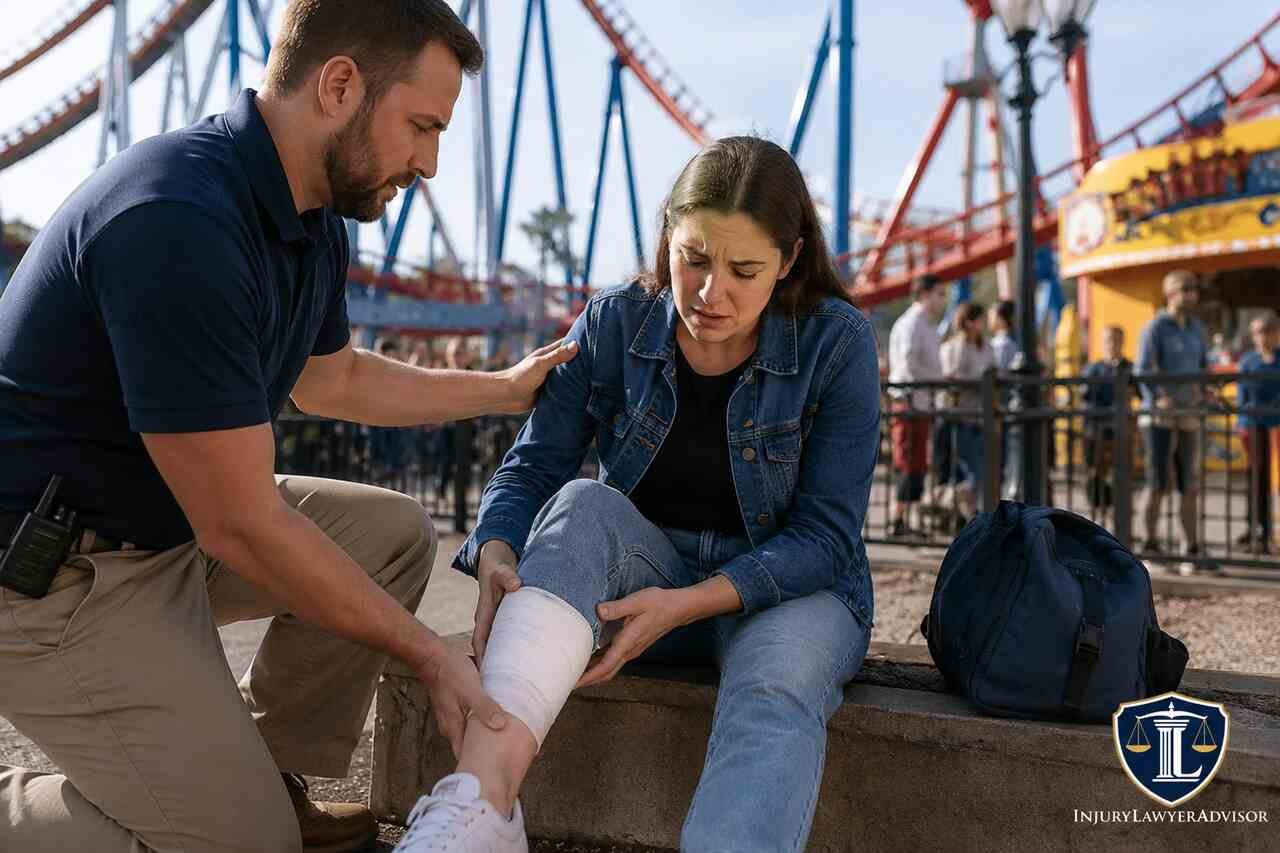
The first priority after an amusement park injury is obtaining medical treatment and preserving evidence. Prompt documentation strengthens your claim and creates a clear record of what occurred.
Medical attention not only protects your health but also establishes a direct connection between the accident and your injuries. Delaying treatment gives insurance companies an opportunity to argue that your injuries resulted from another event.
Gather as much evidence as possible before leaving the park. Helpful documentation includes:
- Photographs of the accident scene
- Pictures of defective rides or hazardous conditions
- Videos of the surrounding area
- Witness contact information
- Employee names
- Ride ticket or admission receipt
- Incident reports
- Medical records
Strong documentation often becomes the foundation of a successful personal injury claim.
Report the Incident to Park Management
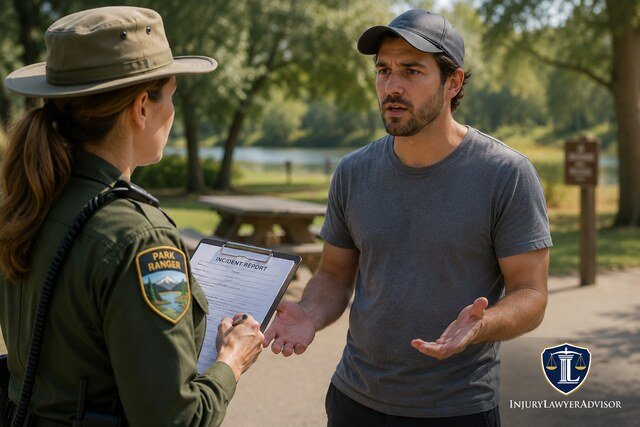

Inform park employees about the accident immediately after receiving emergency care. Most amusement parks maintain internal procedures for documenting injuries.
Ask management to prepare an official incident report that includes:
| Information to Include | Purpose |
| Date and time | Establishes timeline |
| Ride or attraction | Identifies location |
| Employee names | Determines responsible personnel |
| Witness information | Supports liability |
| Description of incident | Preserves facts |
| Injuries sustained | Documents damages |
Request a copy of the report whenever possible. Even if management refuses, note the report number and the names of employees involved.
Reporting the incident promptly helps prevent disputes about when and where the injury occurred.
Seek Ongoing Medical Treatment
Many amusement park injuries appear minor immediately after the accident but worsen over time. Conditions such as traumatic brain injuries, spinal injuries, soft tissue damage, and internal bleeding may not produce immediate symptoms.
Continue following your physician’s treatment plan by:
- Attending follow-up appointments
- Completing physical therapy
- Taking prescribed medications
- Following work restrictions
- Keeping medical receipts
- Recording pain levels
Medical records become critical evidence when calculating compensation.
Consistent treatment also demonstrates that your injuries are genuine and serious.
Preserve Every Piece of Evidence
Evidence determines whether an injury claim succeeds or fails. Your attorney will use documentation to establish negligence and prove damages.
Important evidence may include:
- Surveillance footage
- Ride maintenance logs
- Inspection reports
- Ride operation manuals
- Employee training records
- Engineering reports
- Manufacturer documentation
- Safety inspection records
- Medical imaging
- Expert testimony
Many parks erase surveillance footage after a short period. An attorney can quickly send preservation notices requiring the park to retain critical evidence.
Preserving evidence early often prevents valuable information from disappearing.
Determine Who Is Responsible
Amusement park accidents frequently involve multiple responsible parties rather than a single negligent person.
Potentially liable parties include:
| Responsible Party | Possible Negligence |
| Amusement park owner | Unsafe premises |
| Ride operator | Improper operation |
| Maintenance contractor | Poor repairs |
| Ride manufacturer | Defective design |
| Equipment manufacturer | Defective components |
| Inspection company | Failure to identify hazards |
| Security company | Inadequate protection |
| Third-party vendor | Unsafe operations |
An experienced amusement park injury lawyer investigates every potentially responsible party to maximize available compensation.
Multiple defendants may significantly increase recovery.
Establish Negligence
Winning a personal injury case requires proving negligence through evidence.
Your attorney generally establishes four elements:
Duty of Care
Amusement parks owe guests a legal duty to maintain reasonably safe premises, inspect rides, train employees, and correct hazards.
Breach of Duty
The plaintiff must show the park failed to meet acceptable safety standards.
Examples include:
- Ignoring maintenance schedules
- Operating defective rides
- Hiring unqualified operators
- Failing to inspect attractions
- Allowing unsafe conditions
Causation
The unsafe condition must directly cause the injury.
Medical records, surveillance footage, and expert opinions often establish this connection.
Damages
Victims must prove measurable losses, including medical expenses, lost wages, pain, and emotional suffering.
Each element must work together to build a strong legal claim.
Calculate Your Financial Losses
Personal injury compensation extends far beyond emergency medical bills.
Economic damages often include:
- Emergency treatment
- Hospitalization
- Surgery
- Rehabilitation
- Physical therapy
- Prescription medications
- Medical equipment
- Future medical care
- Lost wages
- Reduced earning capacity
- Property damage
Non-economic damages may include:
- Pain and suffering
- Emotional distress
- Anxiety
- Depression
- Permanent disability
- Loss of enjoyment of life
- Scarring
- Disfigurement
In cases involving reckless misconduct, punitive damages may also be available depending on state law.
Accurately calculating damages ensures victims pursue full compensation rather than accepting inadequate settlements.
Work With an Experienced Amusement Park Injury Lawyer
Personal injury attorneys manage nearly every aspect of an injury claim.
Their responsibilities typically include:
- Investigating the accident
- Interviewing witnesses
- Collecting evidence
- Hiring accident reconstruction experts
- Consulting engineers
- Reviewing maintenance records
- Negotiating with insurers
- Preparing lawsuits
- Representing clients at trial
Most amusement park injury lawyers work on a contingency fee basis.
This means clients generally pay attorney fees only if compensation is recovered.
Legal representation often levels the playing field against large corporations and insurance companies with extensive legal resources.
Negotiate With Insurance Companies Carefully
Insurance companies frequently attempt to minimize payouts by questioning liability or disputing the severity of injuries.
Common insurance tactics include:
- Offering quick settlements
- Requesting recorded statements
- Blaming the victim
- Downplaying injuries
- Delaying investigations
- Disputing medical treatment
- Arguing assumption of risk
Before accepting any settlement, understand the full extent of your injuries and future medical needs.
An attorney evaluates settlement offers and negotiates for fair compensation based on documented damages.
Rejecting an early low-value settlement may result in substantially greater recovery later.
File a Personal Injury Lawsuit When Necessary
If settlement negotiations fail, filing a lawsuit may become the best option.
The litigation process generally includes:
- Filing the complaint
- Serving defendants
- Discovery
- Depositions
- Expert evaluations
- Mediation
- Trial preparation
- Jury trial
During discovery, both parties exchange documents, inspect evidence, and question witnesses under oath.
Many cases settle before trial once evidence becomes clear.
However, experienced trial attorneys remain prepared to present compelling arguments before a judge or jury.
Understand Common Types of Amusement Park Injuries
Amusement park accidents produce a wide range of injuries with varying degrees of severity.
Common injuries include:
| Injury | Possible Cause | Long-Term Impact |
| Traumatic brain injury | Ride malfunction | Cognitive impairment |
| Spinal cord injury | Sudden impact | Paralysis |
| Broken bones | Falls | Surgery and rehabilitation |
| Neck injuries | High-speed rides | Chronic pain |
| Back injuries | Ride defects | Limited mobility |
| Internal injuries | Violent impact | Emergency surgery |
| Burns | Electrical malfunction | Permanent scarring |
| Drowning | Water attractions | Brain damage |
| Lacerations | Mechanical defects | Infection and scarring |
| Psychological trauma | Severe accidents | PTSD and anxiety |
Each injury requires unique medical treatment and affects compensation calculations differently.
Prepare for the Legal Timeline
Personal injury claims vary in length depending on liability disputes, injury severity, and insurance negotiations.
A typical timeline includes:
| Stage | Estimated Time |
| Medical treatment | Weeks to months |
| Investigation | 1 to 3 months |
| Insurance negotiations | 2 to 6 months |
| Filing lawsuit | Several weeks |
| Discovery | 6 to 12 months |
| Mediation | Varies |
| Trial | 1 to 3 years |
Complex cases involving catastrophic injuries often require additional time due to expert analysis and extensive evidence collection.
Patience frequently results in more accurate damage calculations and stronger settlements.
Protect Your Claim Throughout the Process
Your actions after an accident directly affect your ability to recover compensation.
Avoid common mistakes such as:
- Posting about the accident on social media
- Missing medical appointments
- Giving recorded statements without legal advice
- Accepting immediate settlement offers
- Destroying evidence
- Ignoring physician recommendations
- Waiting too long to seek legal representation
Insurance companies routinely monitor public information looking for evidence that contradicts injury claims.
Maintaining consistency throughout treatment and communication strengthens your case.
Conclusion
An amusement park injury can transform a day of entertainment into months or even years of physical recovery, emotional distress, and financial hardship. Recovering compensation requires much more than proving an accident occurred. Victims must establish negligence, preserve evidence, document damages, identify all responsible parties, and negotiate effectively with insurance companies. An experienced amusement park injury lawyer provides the legal knowledge and resources necessary to navigate these challenges while protecting your interests. By acting quickly, seeking medical care, preserving evidence, and obtaining skilled legal representation, you improve your chances of securing compensation for medical expenses, lost income, pain and suffering, future treatment, and other losses resulting from the accident.


