



Introduction
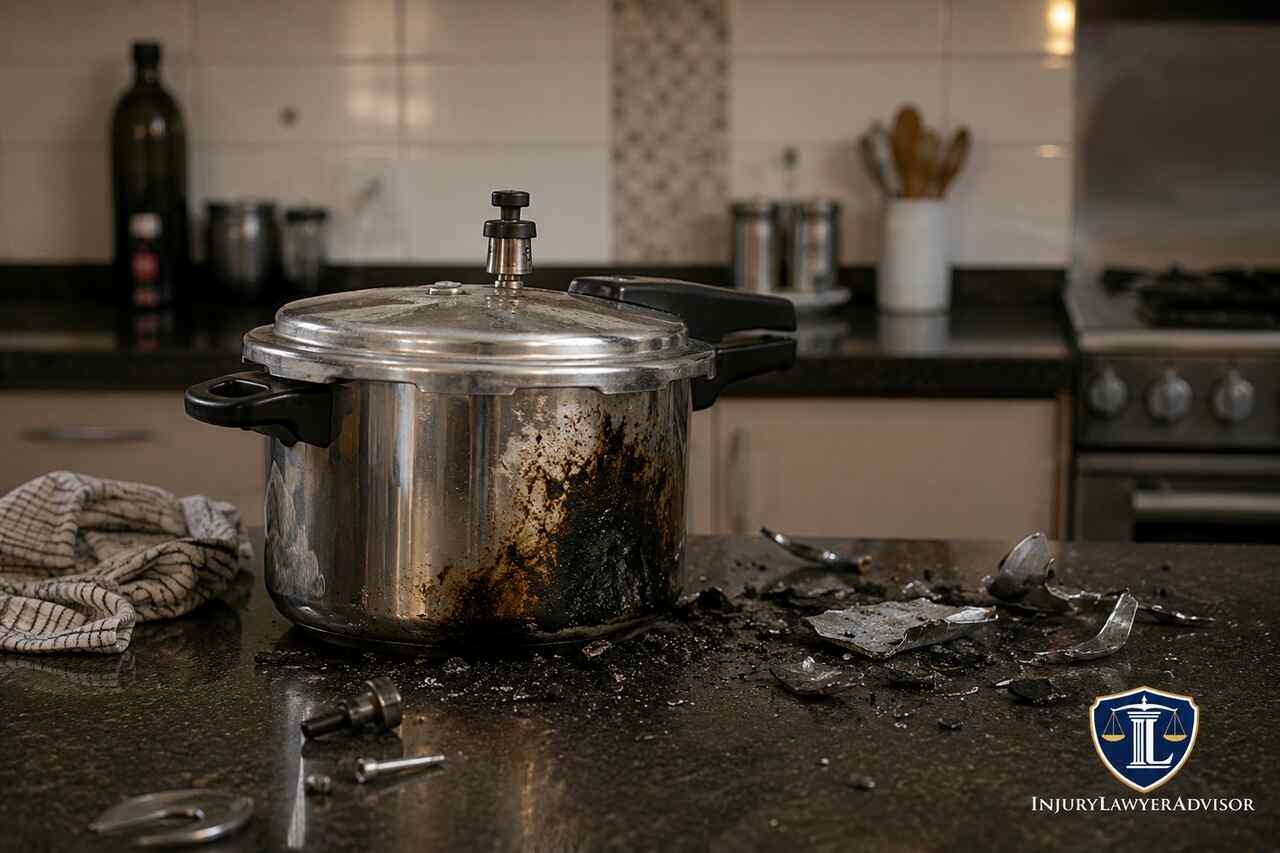
A pressure cooker explosion is a serious household accident that can cause burns, cuts, eye injuries, property damage, and, in extreme cases, fatalities. Modern pressure cookers are designed with multiple safety mechanisms to prevent dangerous pressure buildup, but improper use, poor maintenance, manufacturing defects, or damaged components can still create hazardous situations. Understanding how pressure cookers operate, recognizing warning signs, maintaining critical parts, and following safe cooking practices significantly reduces the risk of an explosion.
Pressure cookers work by trapping steam inside a sealed vessel, increasing pressure and temperature to cook food faster. When pressure is not released properly or safety systems fail, the stored energy inside the cooker can be released violently. This guide explains the causes of pressure cooker explosions, prevention strategies, warning signs, emergency responses, and maintenance procedures to help users cook safely and confidently.
Understand How Pressure Builds Inside a Pressure Cooker
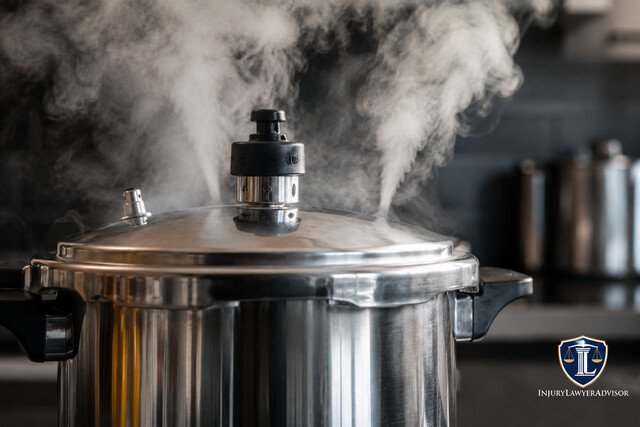

A pressure cooker relies on steam generated from heated liquid. As water converts into steam inside the sealed pot, internal pressure rises and increases the boiling point of water. Higher temperatures allow food to cook more quickly than in conventional cookware.
The primary components involved in pressure regulation include the lid locking mechanism, pressure regulator, vent pipe, gasket, safety valve, and pressure indicator. Each component performs a specific role in controlling steam and maintaining safe operating conditions.
When pressure exceeds normal levels, safety systems are designed to release excess steam before dangerous conditions develop. Problems occur when vents become blocked, seals fail, safety valves malfunction, or users bypass operating instructions.
Pressure and Force Relationship
Understanding pressure helps explain why cooker failures can become dangerous.
As pressure increases within a confined space, the force exerted on the cooker walls and lid also increases. Pressure cookers are engineered to withstand specific operating ranges, making proper maintenance and operation essential.
Inspect Safety Components Before Every Use
Checking safety features before cooking is one of the most effective ways to prevent accidents.
The gasket should be flexible, clean, and free from cracks. A damaged gasket can allow steam leakage, preventing proper pressure regulation and potentially affecting safety performance.
The vent pipe should remain unobstructed. Food particles, grease, starch residue, and mineral deposits can block steam flow. Users should inspect and clean the vent before each cooking session.
The pressure regulator must move freely and fit correctly. Bent, damaged, or improperly installed regulators may interfere with pressure control.
The safety valve serves as a backup pressure release mechanism. If the valve appears damaged, melted, corroded, or worn, replacement should occur immediately according to manufacturer recommendations.
Key Safety Components
| Component | Function | Common Problem | Recommended Action |
| Gasket | Creates airtight seal | Cracks, hardening | Replace regularly |
| Vent Pipe | Releases steam | Food blockage | Clean before use |
| Pressure Regulator | Controls pressure | Misalignment | Inspect and reinstall |
| Safety Valve | Emergency pressure release | Wear or damage | Replace if defective |
| Lid Lock | Prevents opening under pressure | Mechanical damage | Verify operation |
Avoid Overfilling the Cooker During Cooking
Overfilling is a major contributor to pressure-related accidents.
Foods that expand during cooking, such as rice, beans, lentils, pasta, and grains, require additional space. Excessive filling can force food into the vent system and block pressure release pathways.
Most manufacturers recommend filling the cooker no more than two-thirds full for standard foods. For foods that foam, froth, or expand, the maximum level is often one-half full.
Liquid requirements must also be respected. Too little liquid can result in overheating, while excessive liquid may interfere with pressure regulation and cooking performance.
Careful measurement helps maintain predictable pressure conditions and prevents blockage of critical safety systems.
Clean Steam Release Paths After Every Use
Steam release pathways are among the most important safety features in any pressure cooker.
Food particles can accumulate inside vents, regulators, and release valves. Starchy foods are especially likely to leave residue that hardens over time.
After each use, remove detachable components according to manufacturer instructions. Wash them thoroughly and verify that openings remain unobstructed.
A small cleaning brush is often useful for clearing narrow passages. Never use excessive force that could deform precision components.
Regular cleaning ensures that steam can escape when necessary and reduces the likelihood of pressure buildup beyond intended operating limits.
Replace Worn Parts Before They Fail
Pressure cookers contain components that experience repeated exposure to heat, moisture, pressure, and food acids.
Gaskets gradually lose elasticity. Safety valves may deteriorate from repeated operation. Pressure indicators and locking systems can experience wear over years of use.
Ignoring aging parts increases the possibility of malfunction. Replacement schedules vary by manufacturer and usage frequency, but routine inspection should become part of normal maintenance.
Many incidents occur not because the cooker design is unsafe but because critical parts remain in service long after they should have been replaced.
Keeping manufacturer-approved replacement parts on hand helps ensure continuous safe operation.
Recognize Warning Signs Before an Explosion Occurs
Pressure cookers often provide warning signs before a dangerous failure develops.
Unusual steam leakage around the lid may indicate gasket damage or improper sealing. Excessive rattling, irregular pressure release, or persistent pressure fluctuations may suggest venting issues.
Burning odors can indicate insufficient liquid or overheating. Difficulty maintaining pressure may point to leaks or damaged components.
Users should also watch for distorted lids, warped cooker bodies, damaged handles, or visible corrosion. Structural damage can weaken the cooker and increase risk during future use.
Common Warning Indicators
| Warning Sign | Possible Cause | Risk Level |
| Steam escaping from lid edge | Damaged gasket | Moderate |
| Pressure not stabilizing | Vent or regulator issue | High |
| Excessive noise | Blocked steam path | High |
| Burning smell | Low liquid level | High |
| Warped metal parts | Structural damage | Very High |
If any warning sign appears, discontinue use until the problem is identified and corrected.
Follow Manufacturer Operating Instructions Carefully
Pressure cookers differ significantly in design and operation.
Electric models incorporate electronic sensors, programmable controls, and automatic pressure management systems. Stovetop models rely more heavily on manual monitoring and mechanical regulators.
Users should understand maximum fill limits, liquid requirements, pressure settings, cooking times, and release procedures specific to their model.
Ignoring manufacturer instructions can defeat built-in safety systems and create conditions outside the cooker’s intended operating range.
Operating manuals also provide maintenance schedules and replacement guidance that help maintain long-term safety.
Use Proper Pressure Release Methods
Pressure release is a critical stage of cooking.
Natural release allows pressure to decrease gradually as the cooker cools. This method is commonly used for soups, beans, meats, and foods that benefit from continued cooking.
Quick release uses a designated valve to release steam rapidly. Users should keep hands, faces, and arms away from escaping steam.
Cold-water release may be permitted on certain stovetop models but is not suitable for all cookers.
Attempting to force open a cooker before pressure has fully dissipated can result in sudden steam release, hot liquid ejection, and serious injury.
Patience during depressurization is one of the simplest and most effective safety measures.
Respond Safely When a Cooker Malfunctions
If a pressure cooker appears to malfunction, immediate action should focus on safety rather than saving the meal.
Turn off the heat source if it can be done safely. Avoid moving the cooker unless absolutely necessary. Moving a malfunctioning cooker can disturb pressure conditions and increase danger.
Do not attempt to open the lid. Do not place your face near vents or valves to inspect them.
Allow the cooker to cool naturally if pressure release systems are not functioning correctly. If smoke, fire, or severe overheating occurs, follow standard fire safety procedures and evacuate if necessary.
Waiting for pressure to dissipate is often the safest response when uncertainty exists.
Treat Injuries Promptly After an Explosion
Steam and hot liquid injuries require immediate attention.
For minor burns, cool the affected area with cool running water for at least twenty minutes. Avoid ice because it can worsen tissue damage.
Remove jewelry or tight clothing near the injured area if swelling is likely. Cover burns with a clean, non-stick dressing.
Seek emergency medical care for severe burns, facial burns, eye injuries, breathing difficulties, deep tissue damage, or large affected areas.
Cuts caused by flying metal fragments or shattered components may also require professional medical treatment.
Fast and appropriate medical care can reduce complications and improve recovery outcomes.
Store and Maintain the Cooker Correctly
Proper storage contributes to long-term safety and reliability.
Allow all components to dry completely before storage. Moisture trapped in seals or valves can encourage deterioration and contamination.
Store the lid according to manufacturer recommendations. Some manufacturers recommend placing the lid upside down on the cooker body to protect the gasket and improve airflow.
Inspect stored equipment periodically, especially if it has not been used for several months. Dust, insects, and residue can interfere with venting systems.
Routine maintenance extends equipment life and helps preserve the effectiveness of safety features.
Compare Common Causes and Prevention Methods
| Cause of Explosion Risk | Description | Prevention Method |
| Blocked Vent | Steam cannot escape properly | Clean vents regularly |
| Overfilling | Food obstructs pressure pathways | Follow fill limits |
| Damaged Gasket | Improper sealing and pressure control | Replace when worn |
| Defective Safety Valve | Backup protection unavailable | Inspect and replace |
| Improper Opening | Sudden release of steam and contents | Verify pressure is zero |
| Structural Damage | Cooker strength compromised | Replace damaged unit |
| Incorrect Assembly | Safety systems may not operate | Follow instructions carefully |
| Insufficient Liquid | Overheating conditions develop | Maintain minimum liquid requirements |
Monitor High-Risk Foods Carefully
Certain foods require additional attention because they expand, foam, or create residue.
Beans, lentils, split peas, oatmeal, barley, rice, pasta, applesauce, and soups containing starch can contribute to vent blockage if prepared improperly.
Many manufacturers recommend avoiding thickening agents until pressure cooking is complete. Ingredients such as flour, cornstarch, and cream-based mixtures may interfere with pressure regulation.
Using proper liquid ratios and fill levels helps maintain safe steam flow and consistent cooking performance.
Understanding food behavior inside the cooker is an important part of accident prevention.
Upgrade Older Equipment When Necessary
Older pressure cookers may lack modern safety technologies.
Contemporary designs often include multiple pressure release systems, improved locking mechanisms, pressure indicators, and enhanced sealing materials.
Units showing signs of corrosion, structural damage, repeated leakage, or unavailable replacement parts should be evaluated carefully.
Replacing aging equipment can reduce risk and improve cooking performance. Safety improvements introduced over the years have significantly increased the reliability of modern pressure cookers.
Conclusion
Pressure cooker explosions are rare when equipment is maintained properly and used according to manufacturer instructions. Most incidents result from blocked vents, overfilling, worn components, improper pressure release, or neglected maintenance. Regular inspection of gaskets, valves, regulators, and locking mechanisms helps ensure safe operation. Proper cleaning, adherence to fill limits, and immediate attention to warning signs further reduce risk.
By understanding pressure management, maintaining safety systems, and responding appropriately to malfunctions, users can enjoy the speed and efficiency of pressure cooking while minimizing the likelihood of serious accidents.


