


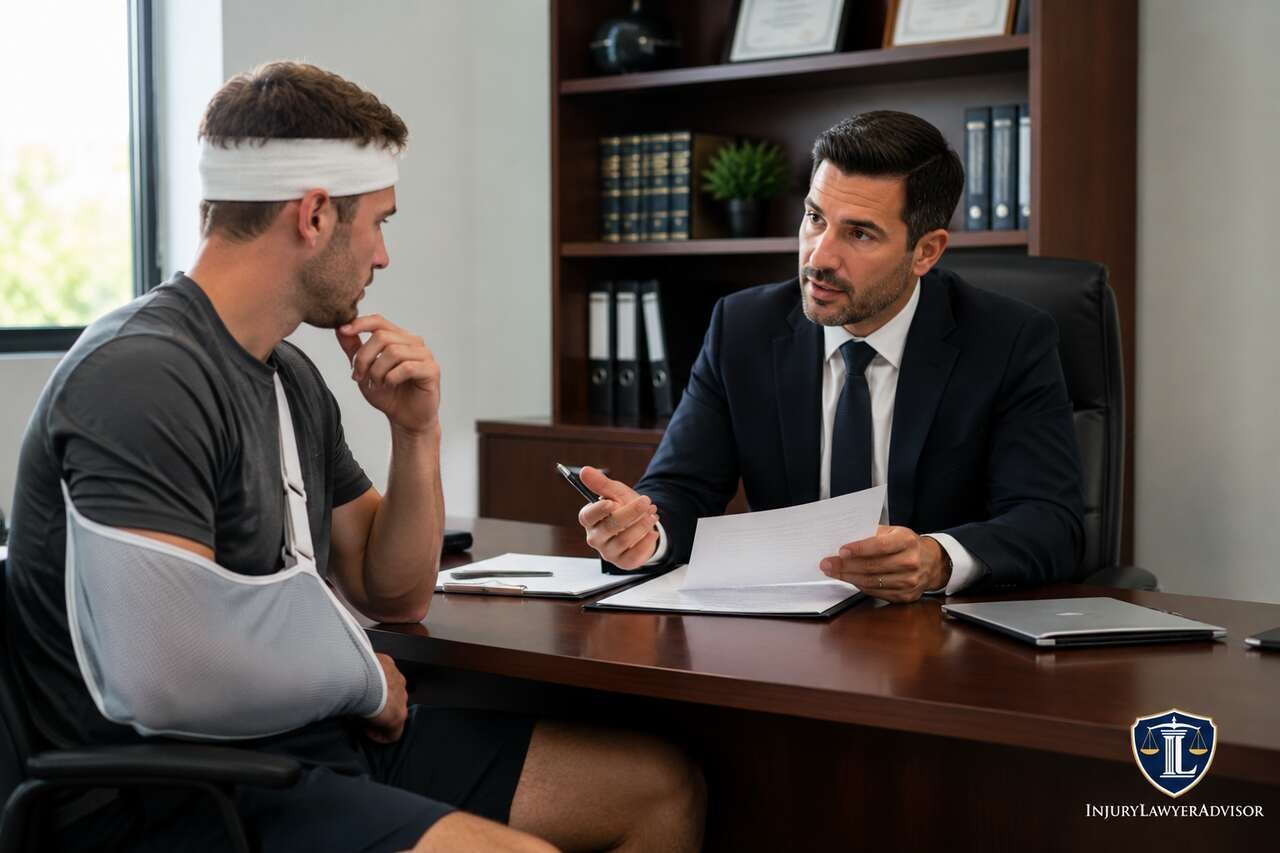
Sports injuries can have life-changing consequences, especially when they result from another party’s negligence. Whether you are a professional athlete, college competitor, student athlete, fitness enthusiast, or spectator, a serious injury can lead to expensive medical treatment, lost income, rehabilitation, and emotional distress. Hiring a sports injury lawyer helps injured individuals understand their legal rights, gather evidence, negotiate with insurance companies, and pursue fair compensation when negligence contributed to the injury.
This comprehensive guide explains how sports injury lawyers handle cases, identifies the types of claims they pursue, outlines the legal process, discusses available compensation, and highlights important factors to consider before filing a claim.
Determine Whether Your Sports Injury Qualifies for a Legal Claim
Not every sports injury results in a lawsuit. Many injuries occur because athletes voluntarily accept the normal risks associated with competition. However, legal action may become appropriate when another party acts negligently, recklessly, or intentionally.
A sports injury lawyer begins by evaluating whether someone breached a legal duty of care. This includes examining coaching decisions, equipment safety, field maintenance, medical treatment, event management, and participant conduct. The lawyer determines whether the injury could have been prevented through reasonable care.
Common situations that may justify legal action include:
- Unsafe playing surfaces
- Defective sports equipment
- Negligent coaching
- Inadequate athlete supervision
- Improper medical clearance
- Failure to follow concussion protocols
- Assault during sporting events
- Unsafe fitness facilities
- Spectator injuries caused by inadequate security
Courts generally distinguish between ordinary risks that athletes accept and unreasonable dangers created by negligence.
| Situation | Usually Covered by Risk Assumption | May Lead to Lawsuit |
| Legal tackle in football | Yes | No |
| Broken gym equipment | No | Yes |
| Wet basketball court without warning | No | Yes |
| Coach ignoring concussion symptoms | No | Yes |
| Defective helmet | No | Yes |
| Normal collision during play | Yes | Usually No |
Identify Who May Be Legally Responsible
Finding the responsible party is one of the most important parts of any sports injury claim.
Depending on the circumstances, several individuals or organizations may share liability. A sports injury lawyer investigates contracts, maintenance records, witness statements, medical reports, surveillance footage, and safety policies to identify every potentially liable party.
Possible responsible parties include:
- Coaches
- Athletic trainers
- Schools
- Universities
- Sports leagues
- Recreation centers
- Gym owners
- Stadium operators
- Equipment manufacturers
- Event organizers
- Property owners
- Referees in limited circumstances
- Medical professionals
In some cases, more than one defendant contributes to the injury. For example, a defective helmet manufacturer and a school that failed to replace recalled equipment could both share responsibility.
Gather Strong Evidence Immediately After the Injury
Evidence often determines whether a sports injury claim succeeds.
An experienced lawyer works quickly to preserve documentation before it disappears. Sporting venues may erase surveillance footage, witnesses may become difficult to locate, and physical evidence can deteriorate.
Important evidence includes:
- Medical records
- Emergency room reports
- X-rays
- MRI scans
- CT scans
- Surgical records
- Athletic trainer reports
- Photographs
- Video recordings
- Witness statements
- Game footage
- Equipment inspections
- Incident reports
- Maintenance logs
- Safety inspection records
- Employment records
- Insurance information
The sooner evidence is preserved, the stronger the legal claim typically becomes.
Understand Common Types of Sports Injury Cases
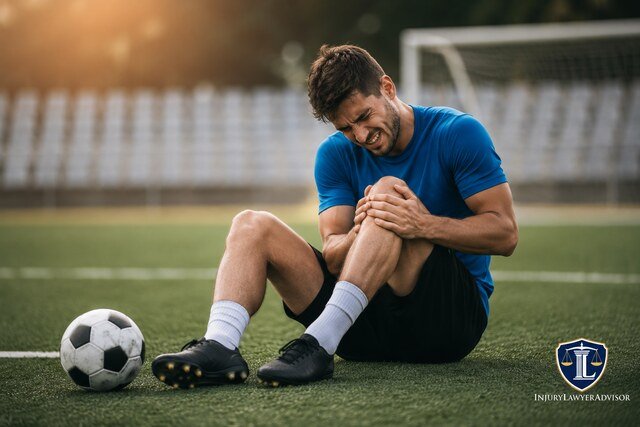

Sports injury lawyers handle a wide variety of injury claims involving athletes, spectators, coaches, and recreational participants.
Some of the most common cases include:
Defective Equipment
Equipment manufacturers have a duty to produce reasonably safe products. Helmets, protective pads, bicycles, exercise machines, climbing gear, and other equipment may contain manufacturing defects or dangerous design flaws.
Examples include:
- Helmet failures
- Defective football pads
- Broken bicycle frames
- Faulty ski bindings
- Unsafe exercise equipment
Negligent Coaching
Coaches must exercise reasonable care while supervising athletes.
Negligence may involve:
- Overtraining athletes
- Ignoring injuries
- Allowing unsafe drills
- Failing to provide hydration
- Ignoring weather conditions
- Permitting dangerous conduct
Facility Negligence
Sports venues should maintain safe premises.
Common hazards include:
- Uneven fields
- Broken bleachers
- Poor lighting
- Wet gym floors
- Exposed wiring
- Unsafe fencing
- Inadequate crowd control
Medical Negligence
Sports medicine professionals owe athletes a professional standard of care.
Examples include:
- Misdiagnosed fractures
- Delayed concussion diagnosis
- Improper rehabilitation
- Premature return-to-play decisions
- Surgical mistakes
Spectator Injuries
Fans attending sporting events sometimes suffer injuries caused by:
- Falling objects
- Poor security
- Unsafe seating
- Crowd stampedes
- Negligent maintenance
Calculate the Full Value of Your Damages
A sports injury lawyer evaluates both immediate and future financial losses.
Compensation extends beyond hospital bills and often includes long-term medical care, rehabilitation, diminished earning capacity, and emotional suffering.
Economic damages may include:
- Emergency treatment
- Hospital expenses
- Surgery
- Physical therapy
- Prescription medication
- Future medical care
- Lost wages
- Lost athletic scholarships
- Reduced earning capacity
- Home modifications
Non-economic damages may include:
- Pain and suffering
- Emotional distress
- Mental anguish
- Loss of enjoyment of life
- Permanent disability
- Disfigurement
In rare cases involving reckless or intentional misconduct, punitive damages may also be available under applicable law.
| Type of Compensation | Examples |
| Medical expenses | Hospital bills, surgery, rehabilitation |
| Income losses | Lost salary, reduced earning ability |
| Educational losses | Lost scholarship opportunities |
| Future care | Long-term rehabilitation, therapy |
| Pain and suffering | Physical pain and emotional distress |
| Disability | Permanent impairment compensation |
Work With Medical Experts Throughout Your Case
Medical evidence forms the foundation of nearly every sports injury lawsuit.
Lawyers frequently collaborate with specialists such as:
- Orthopedic surgeons
- Neurologists
- Neurosurgeons
- Sports medicine physicians
- Physical therapists
- Occupational therapists
- Rehabilitation specialists
- Psychologists
- Vocational experts
These professionals help explain:
- The severity of injuries
- Required treatment
- Long-term limitations
- Future medical expenses
- Permanent disabilities
- Ability to return to sports
Expert opinions often strengthen settlement negotiations and courtroom testimony.
Negotiate Effectively With Insurance Companies
Insurance companies generally attempt to minimize claim payouts.
A sports injury lawyer protects clients by managing communications, responding to adjusters, calculating damages accurately, and presenting persuasive evidence.
Common insurance tactics include:
- Offering quick settlements
- Blaming the injured athlete
- Claiming assumption of risk
- Questioning medical treatment
- Delaying investigations
- Disputing future damages
Experienced attorneys counter these arguments using medical evidence, witness testimony, expert reports, and legal precedent.
Many cases settle without trial once insurers recognize the strength of the evidence.
Prepare for Litigation if Settlement Fails
While many sports injury claims resolve through settlement negotiations, some require litigation.
The legal process generally includes:
- Initial consultation
- Case investigation
- Evidence collection
- Filing the complaint
- Discovery process
- Depositions
- Expert witness preparation
- Settlement negotiations
- Mediation
- Trial
- Appeal if necessary
Throughout litigation, attorneys continue evaluating settlement opportunities while preparing the strongest possible courtroom presentation.
Choose the Right Sports Injury Lawyer
Selecting experienced legal representation significantly affects case outcomes.
Look for lawyers who have experience with:
- Personal injury litigation
- Sports-related negligence
- Product liability
- Premises liability
- Medical malpractice
- Insurance negotiations
- Trial advocacy
Important qualities include:
- Strong communication
- Proven negotiation skills
- Access to medical experts
- Thorough investigation methods
- Transparent fee arrangements
- Responsive client service
Many personal injury lawyers work on a contingency fee basis, meaning legal fees are generally collected only if compensation is recovered.
Protect Your Rights After a Sports Injury
Taking the right steps immediately after an injury can preserve valuable legal rights.
Recommended actions include:
- Seek medical treatment immediately.
- Report the injury to coaches, officials, or facility management.
- Photograph injuries and accident scenes.
- Preserve damaged equipment.
- Collect witness information.
- Avoid discussing fault publicly.
- Keep copies of medical bills and records.
- Follow prescribed medical treatment.
- Consult a sports injury lawyer promptly.
Early legal guidance often improves evidence preservation and helps avoid mistakes that could weaken a claim.
Conclusion
A sports injury can create lasting physical, financial, and emotional challenges, particularly when negligence plays a role. A skilled sports injury lawyer investigates the facts, identifies responsible parties, gathers critical evidence, works with medical and financial experts, and pursues compensation for medical expenses, lost income, rehabilitation costs, and pain and suffering. Understanding your legal options and acting promptly can strengthen your case and improve your chances of obtaining a fair outcome, whether through settlement or litigation.


