

Introduction
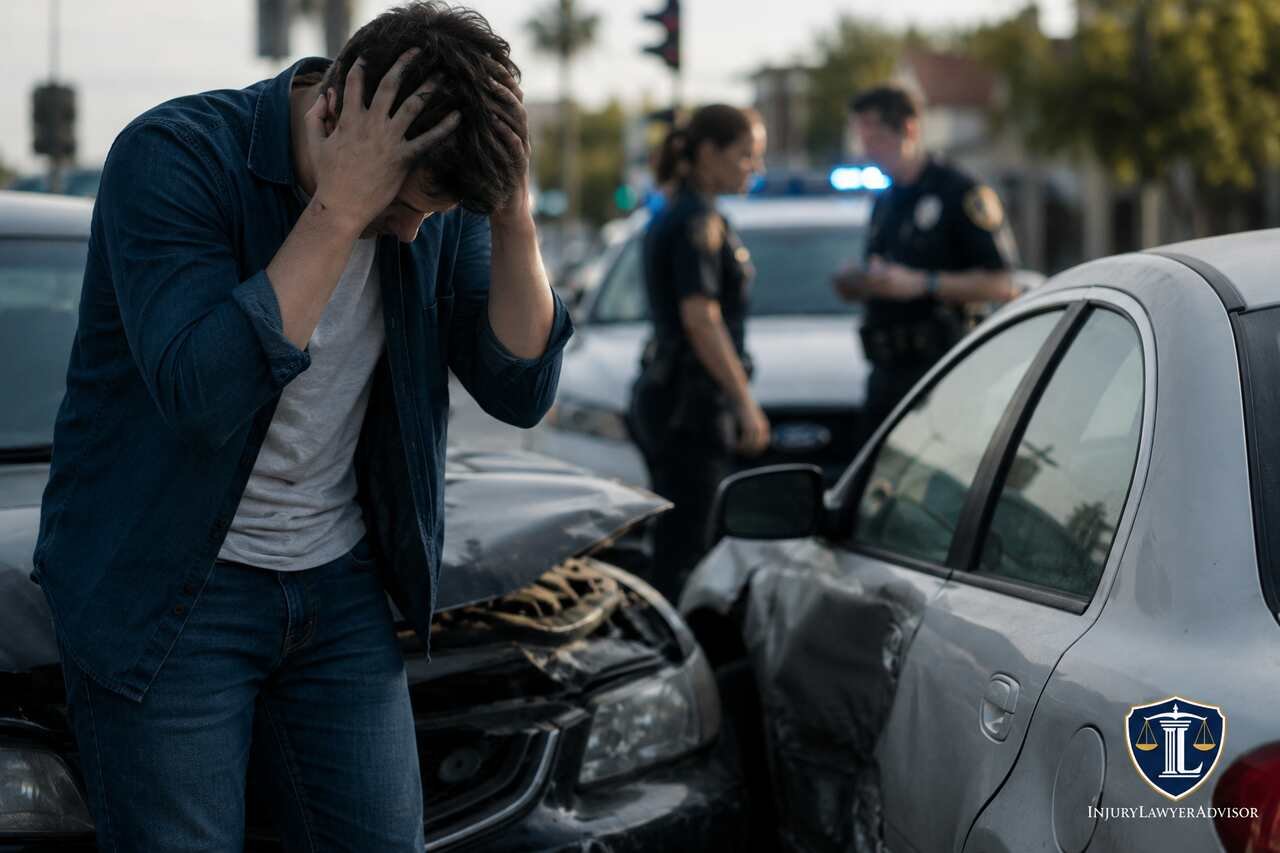
Being involved in a car accident is stressful under any circumstances, but the situation becomes much more serious when you do not have auto insurance. Whether you caused the collision or were simply involved in it, driving without insurance can trigger legal penalties, financial liability, license suspension, vehicle impoundment, and long-term consequences that affect your ability to drive and obtain future coverage.
The exact outcome depends on several factors, including the laws in your state or country, who was at fault, the extent of the damages, and whether injuries occurred. Understanding what happens after an accident without insurance can help drivers prepare for the legal process, protect their rights, and minimize financial damage. This guide explains the consequences, procedures, penalties, and options available when an uninsured driver is involved in a motor vehicle accident.
Stop at the Scene and Follow Legal Requirements
Immediately after an accident, every driver must stop at the scene and comply with applicable traffic laws. Leaving the scene can result in separate criminal charges that are often more severe than penalties for driving without insurance.
Drivers should check for injuries, call emergency services when necessary, and exchange information with the other parties involved. Even if you do not have insurance, you should provide your driver’s license, vehicle registration, and any other legally required information.
Police officers responding to the scene will typically document the incident and may ask for proof of insurance. If you cannot provide valid insurance documentation, that information is usually included in the accident report.
The severity of the accident often influences how authorities handle the situation. A minor fender-bender may lead to a citation, while a collision involving serious injuries or significant property damage can trigger a more extensive investigation.
Report the Accident to Law Enforcement
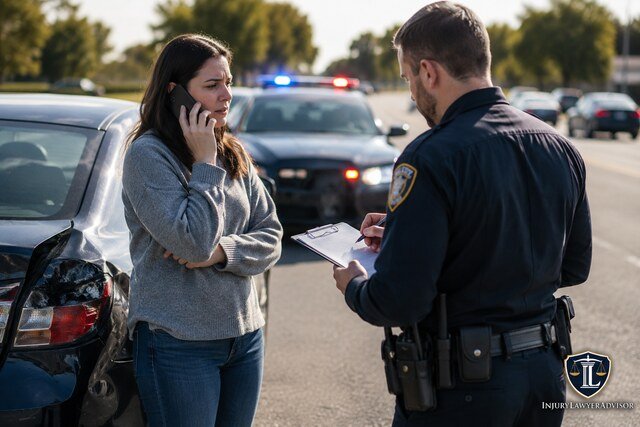
Many jurisdictions require accidents involving injuries, deaths, or substantial property damage to be reported to law enforcement. Failure to report an accident can create additional legal problems.
When officers arrive, they gather statements, inspect vehicle damage, identify witnesses, and determine whether traffic violations occurred. During this process, proof of insurance is commonly requested.
If you are uninsured, the officer may issue a citation on the spot. In some locations, the citation carries immediate fines, while other jurisdictions require a court appearance.
The police report becomes an important document for insurance claims, lawsuits, and administrative actions involving driver’s licenses. Courts, insurance companies, and government agencies often rely on this report when evaluating responsibility and damages.
Determine Fault for the Accident
Fault plays a major role in determining the consequences of an accident involving an uninsured driver.
If another driver caused the accident, your lack of insurance does not automatically make you responsible for the collision. However, your ability to recover compensation may be limited in some jurisdictions.
If you caused the accident, you may become personally responsible for paying medical expenses, vehicle repairs, lost income, and other damages suffered by the other parties.
Investigators typically evaluate:
- Police reports
- Witness statements
- Vehicle damage
- Traffic camera footage
- Dashcam recordings
- Accident reconstruction evidence
- Traffic law violations
The determination of fault affects both civil liability and the financial consequences that follow.
Pay Immediate Penalties for Driving Without Insurance
One of the first consequences many uninsured drivers face is a traffic citation or administrative penalty.
Common penalties include:
| Violation Consequence | Possible Outcome |
| Traffic citation | Monetary fine |
| First offense | Lower fine range |
| Repeat offense | Higher penalties |
| Court appearance | Mandatory hearing |
| Vehicle registration issues | Suspension or revocation |
| Administrative fees | Additional costs |
The amount varies significantly by location. Some jurisdictions impose relatively small fines for a first offense, while others impose penalties reaching thousands of dollars.
Repeat offenders often face increasingly severe consequences. Multiple violations may result in longer license suspensions, mandatory insurance filings, or restrictions on future vehicle registrations.
These penalties are separate from any accident-related damages you may owe.
Handle Property Damage Claims
When an uninsured driver causes an accident, property damage claims become a major financial concern.
Vehicle repair costs can be substantial, especially when newer vehicles are involved. Modern cars often contain expensive sensors, cameras, and safety systems that increase repair expenses.
Potential property damage expenses may include:
- Vehicle repairs
- Vehicle replacement
- Towing charges
- Storage fees
- Rental vehicle costs
- Damage to buildings
- Damage to fences or structures
- Damage to public property
Without insurance coverage, these costs may need to be paid directly out of pocket.
If the affected party files a claim against you, negotiations may occur before litigation begins. However, serious accidents frequently result in formal legal action when damages are significant.
Cover Medical Expenses and Injury Claims
Injury claims are often the most financially devastating aspect of an accident involving an uninsured driver.
Medical costs can escalate rapidly due to:
- Emergency room treatment
- Ambulance transportation
- Surgery
- Hospitalization
- Rehabilitation
- Physical therapy
- Prescription medications
- Long-term care
When injuries are severe, compensation demands may include future medical expenses and ongoing treatment costs.
Lost income is another significant factor. An injured person who cannot work may seek reimbursement for wages lost during recovery. Permanent disabilities can lead to claims for future earnings that may span decades.
These obligations can quickly exceed the financial resources of many individuals, creating long-term debt and legal complications.
Respond to Lawsuits Filed by Other Parties
If you are responsible for the accident and lack insurance coverage, the injured party may file a lawsuit against you personally.
Insurance companies usually provide legal defense for insured drivers. Without insurance, you generally must handle legal representation yourself or hire an attorney at your own expense.
A lawsuit may seek compensation for:
| Type of Damage | Examples |
| Property damage | Vehicle repairs and replacement |
| Medical expenses | Treatment and rehabilitation |
| Lost wages | Missed work income |
| Pain and suffering | Physical and emotional harm |
| Future losses | Ongoing medical needs |
| Disability claims | Permanent impairment |
Courts can enter judgments requiring payment of substantial amounts if liability is established.
A judgment may remain enforceable for years, depending on local laws.
Protect Personal Assets from Collection Efforts
When a court awards damages to an injured party, collection efforts may begin if payment is not made voluntarily.
Depending on local laws, creditors may pursue:
- Wage garnishment
- Bank account levies
- Property liens
- Asset seizures
- Payment plans
Not all assets are necessarily subject to collection. Certain exemptions may protect portions of income, retirement accounts, or personal property.
The availability of these protections depends on the jurisdiction and the specific circumstances of the case.
Because collection laws vary considerably, individuals facing substantial judgments often seek legal advice regarding available protections and repayment options.
Address Driver’s License Suspension Risks
Many uninsured drivers discover that license suspension becomes one of the most disruptive consequences after an accident.
Authorities may suspend driving privileges because:
- Insurance requirements were violated
- Accident damages remain unpaid
- Court judgments remain outstanding
- Administrative penalties were not satisfied
A suspended license can affect employment, education, family responsibilities, and daily transportation needs.
Reinstatement usually requires satisfying specific conditions such as paying fines, providing proof of insurance, completing required forms, or meeting court obligations.
The suspension period may be relatively short for first-time offenders but substantially longer for repeat violations.
Secure High-Risk Insurance Coverage
After an uninsured accident, obtaining future insurance may become more difficult and expensive.
Insurance companies evaluate risk based on driving history, violations, and prior claims. Drivers involved in accidents without insurance are often classified as higher-risk applicants.
As a result, they may face:
- Higher premiums
- Limited coverage options
- Stricter underwriting requirements
- Mandatory filings with government agencies
Some jurisdictions require proof of future financial responsibility before driving privileges can be restored.
These requirements often remain in place for several years following the violation.
Manage Consequences When You Were Not at Fault
Many drivers assume that being uninsured automatically eliminates their rights after an accident. In reality, the situation is more complicated.
If another driver caused the collision, you may still have the ability to pursue compensation for damages and injuries.
However, some jurisdictions impose limitations on recovery by uninsured motorists. These limitations may affect claims for certain types of damages, particularly non-economic losses such as pain and suffering.
Even when compensation remains available, the lack of insurance can create procedural challenges and additional legal scrutiny.
Understanding local laws is important because rights and restrictions vary significantly from one location to another.
Navigate No-Fault Insurance Systems
Some regions operate under no-fault insurance systems.
Under these systems, drivers typically seek compensation from their own insurance policies regardless of who caused the accident.
When an uninsured driver is involved in a no-fault jurisdiction, additional complications may arise because the driver lacks the coverage normally used to process claims.
Potential consequences may include:
- Loss of no-fault benefits
- Administrative penalties
- Restrictions on compensation
- Additional legal exposure
The interaction between no-fault laws and uninsured driving regulations can be complex, making legal guidance especially valuable after serious accidents.
Handle Accidents Involving Uninsured Motorists
Sometimes both drivers involved in an accident lack insurance coverage.
These situations often become particularly challenging because neither party has an insurer to manage claims, investigations, negotiations, or legal defense.
Disputes may arise regarding:
- Fault allocation
- Repair costs
- Injury severity
- Medical expenses
- Compensation amounts
Without insurance companies facilitating resolution, lawsuits become more common.
The financial burden falls directly on the individuals involved, increasing the likelihood of prolonged disputes and collection efforts.
Resolve Claims Through Negotiation and Settlement
Not every uninsured accident leads to a courtroom battle.
Many claims are resolved through negotiation before litigation occurs.
Settlement discussions may address:
- Repair costs
- Medical bills
- Payment schedules
- Partial liability issues
- Future obligations
Negotiated agreements can reduce legal expenses and provide certainty for both parties.
When financial resources are limited, structured payment arrangements may sometimes be accepted instead of immediate lump-sum payments.
Successful settlements often depend on cooperation, documentation, and realistic assessment of damages.
Gather Evidence to Support Your Position
Evidence becomes critical after any accident, especially when insurance coverage is absent.
Important documentation includes:
- Photographs of vehicles
- Scene photographs
- Police reports
- Medical records
- Witness statements
- Repair estimates
- Traffic camera footage
- Communication records
Strong evidence can help establish fault, challenge inaccurate claims, and support settlement negotiations.
Maintaining organized records also assists attorneys, courts, and government agencies reviewing the case.
The sooner evidence is collected, the more reliable and persuasive it tends to be.
Work With Legal Professionals When Necessary
Serious accidents frequently involve legal issues that exceed the knowledge of most drivers.
Professional legal assistance may be valuable when:
- Significant injuries occurred
- Liability is disputed
- Lawsuits have been filed
- License suspension is pending
- Large financial claims exist
- Multiple parties are involved
An attorney can evaluate exposure, explain rights, negotiate settlements, and represent clients in court.
While legal representation creates additional costs, it may reduce long-term financial consequences in complex cases.
Early legal guidance often prevents mistakes that become difficult to correct later in the process.
Restore Compliance and Prevent Future Violations
After resolving an uninsured accident, restoring compliance with insurance requirements should become a priority.
Steps often include:
- Purchasing valid insurance coverage.
- Maintaining continuous coverage.
- Paying all fines and fees.
- Completing court requirements.
- Reinstating suspended licenses.
- Meeting future reporting obligations.
Consistent compliance reduces the risk of future penalties and demonstrates responsibility to insurers and government agencies.
Drivers who maintain continuous coverage generally gain access to better insurance rates over time compared with those who experience repeated lapses.
Understand the Long-Term Financial Impact
The consequences of an accident without insurance frequently extend far beyond the day of the collision.
Long-term effects may include:
| Long-Term Consequence | Potential Impact |
| Increased insurance premiums | Higher annual costs |
| License issues | Driving restrictions |
| Court judgments | Ongoing debt |
| Credit concerns | Financial challenges |
| Wage garnishment | Reduced income |
| Legal expenses | Additional costs |
| Vehicle registration problems | Administrative barriers |
| Employment difficulties | Transportation limitations |
Many individuals underestimate the lasting financial burden associated with uninsured driving until they face the cumulative effects of fines, lawsuits, and insurance surcharges.
Maintaining proper insurance coverage is often far less expensive than dealing with the aftermath of a single serious accident.
Conclusion
An accident without insurance can lead to significant legal, financial, and personal consequences. Drivers may face citations, fines, license suspension, vehicle registration issues, lawsuits, and responsibility for substantial property damage and medical expenses. The severity of these outcomes depends on local laws, fault determination, injury severity, and prior driving history.
Even when an uninsured driver is not responsible for the collision, the absence of insurance can complicate compensation claims and create additional legal hurdles. Taking immediate action after an accident, gathering evidence, complying with legal requirements, and obtaining professional guidance when necessary can help reduce the impact of the situation.
The most effective way to avoid these consequences is to maintain continuous auto insurance coverage that meets legal requirements and provides adequate protection against financial risk.
FAQ’s
Can I go to jail for driving without insurance after an accident?
In many jurisdictions, driving without insurance is treated as a traffic or administrative violation rather than a criminal offense. However, serious circumstances, repeat violations, or additional offenses may lead to more severe penalties.
What happens if I cause an accident and have no insurance?
You may be personally responsible for paying property damage, medical expenses, lost wages, and other damages suffered by injured parties. You may also face fines, license suspension, and lawsuits.
Can I still receive compensation if the other driver caused the accident?
In many places, yes. However, some jurisdictions limit certain recovery rights for uninsured motorists. Local laws determine what compensation may be available.
Will my driver’s license be suspended after an uninsured accident?
It is possible. Many jurisdictions impose license suspensions for insurance violations, unpaid judgments, or failure to satisfy administrative requirements following an accident.
How long does an uninsured accident affect insurance rates?
The impact can last several years. Insurance companies often consider uninsured driving violations and accident history when calculating premiums.
Can someone sue me personally if I do not have insurance?
Yes. If you are responsible for the accident and insurance coverage is unavailable, injured parties may file lawsuits directly against you to recover damages and losses.
