

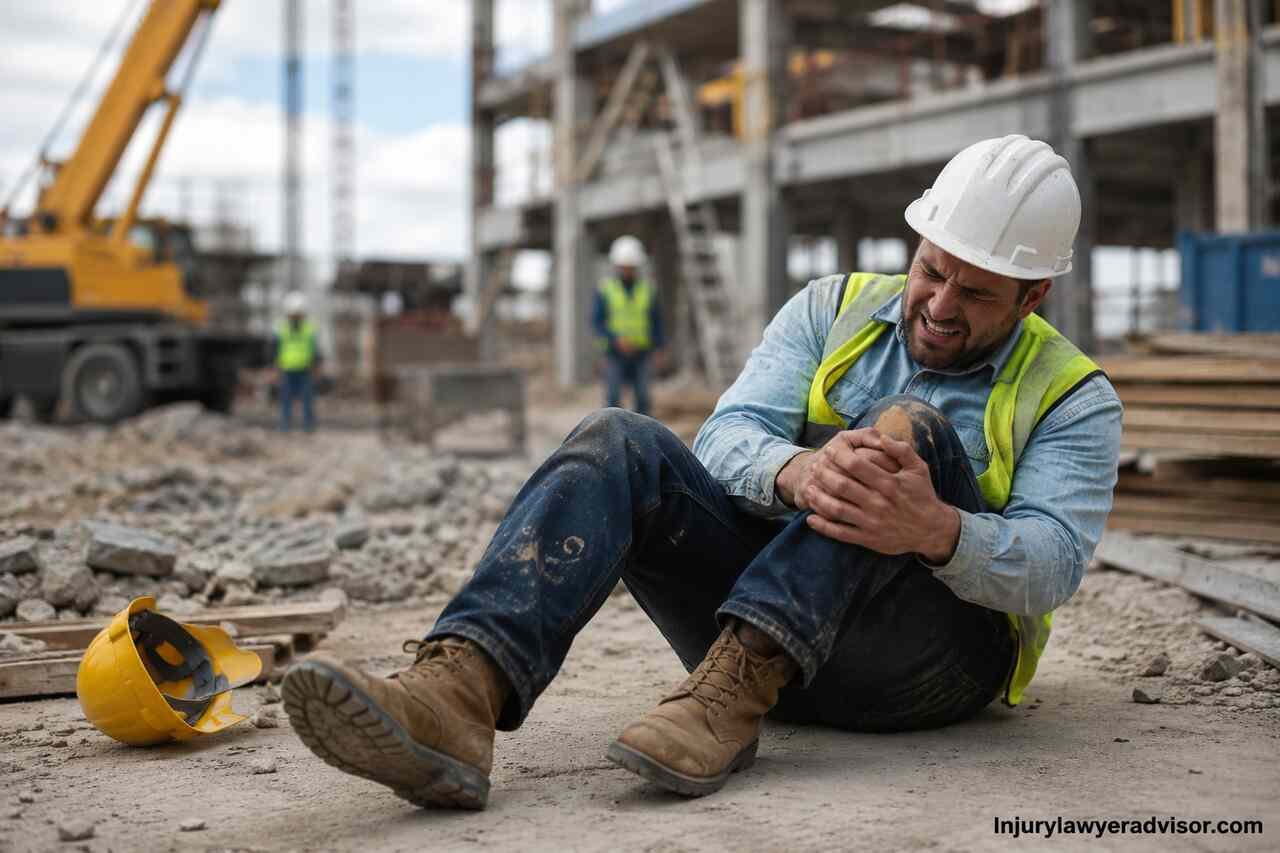
Construction site accident claims help injured workers, visitors, contractors, and sometimes bystanders recover financial support after a preventable injury on or near a job site. These claims can involve workers’ compensation, personal injury lawsuits, third-party claims, equipment defect claims, premises liability, or insurance negotiations. Because construction sites combine heavy machinery, elevated work areas, electrical systems, scaffolds, trenches, vehicles, tools, and multiple contractors, one accident can create several possible routes for compensation.
A strong construction site accident claim depends on early medical care, accurate reporting, clear evidence, and a correct understanding of who controlled the hazard. Construction accidents often involve falls, struck-by incidents, caught-in or between accidents, and electrocutions. The claim process should begin immediately because injury reporting deadlines and claim filing deadlines vary by jurisdiction.
Get Medical Treatment Immediately
Medical treatment protects your health and creates the first official record of the construction accident. An injured person should seek emergency care for serious trauma, head injury, spinal pain, burns, fractures, electrical shock, crush injuries, heavy bleeding, breathing problems, or loss of consciousness. Even when symptoms seem minor, a medical exam can connect the injury to the accident before the insurer argues that the condition came from another cause.
Doctors document injury type, body part, pain level, diagnostic tests, work restrictions, medication, referrals, and future treatment needs. These records support the claim because they show the injury existed after the site incident. Emergency room notes, orthopedic reports, physical therapy records, surgical notes, imaging results, and follow-up instructions can become core proof in workers’ compensation and third-party claims.
Delayed medical care can weaken a claim. Insurers often argue that a delay means the injury was not serious or was unrelated to the construction site. Construction injuries can also worsen after the first day, especially concussions, soft tissue damage, nerve compression, internal injuries, and repetitive strain conditions. Prompt care gives the injured person a safer medical path and a stronger compensation record.
Report the Construction Site Accident
The accident should be reported to a supervisor, employer, general contractor, site manager, safety officer, or property representative as soon as possible. A verbal report may start the process, but a written report creates better proof. The report should include the date, time, location, task being performed, unsafe condition, equipment involved, witnesses, and injuries.
Workers’ compensation systems usually require employees to notify the employer within a specific period. Visitors, independent contractors, delivery drivers, and subcontractors should also report the accident to the site controller and keep a copy of every written notice.
The report should be factual rather than speculative. A worker can state what happened without guessing who caused the accident. Accurate reporting helps later investigation because construction sites change quickly. Tools are moved, scaffolds are dismantled, trenches are filled, debris is removed, and camera footage may be overwritten.
Preserve Evidence from the Accident Scene
Evidence preservation can decide whether a construction site accident claim succeeds. Photos and videos should show the hazard, the surrounding area, lighting, weather, tools, machinery, warning signs, missing guardrails, broken ladders, scaffold defects, debris, exposed wiring, trench conditions, vehicle paths, and personal protective equipment. Wide photos show the full scene, while close photos show the specific defect.
Important evidence can include incident reports, safety logs, inspection records, training documents, maintenance records, subcontractor agreements, equipment manuals, delivery records, witness statements, and surveillance footage. If defective machinery caused the injury, the equipment should be preserved rather than repaired, discarded, or returned before inspection.
Construction sites involve many companies. A general contractor may control site safety, a subcontractor may control a work zone, a manufacturer may be responsible for defective equipment, and a property owner may know about a dangerous condition. Evidence helps connect each party to the hazard and prevents insurers from shifting blame without proof.
Identify the Type of Construction Accident Claim
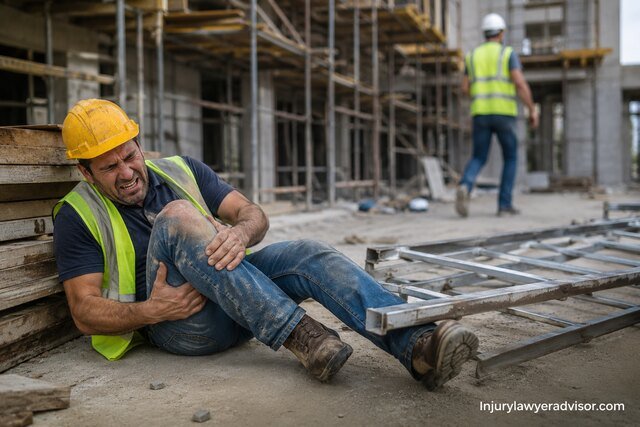
The correct claim type depends on the injured person’s relationship to the site and the party that caused the accident. An employee usually starts with workers’ compensation, which can cover medical treatment and part of lost wages without requiring proof of employer negligence.
A third-party claim may be available when someone other than the direct employer caused or contributed to the injury. Potential third parties include subcontractors, general contractors, property owners, architects, engineers, delivery companies, equipment rental companies, tool manufacturers, and maintenance vendors.
Third-party claims can sometimes allow recovery for pain and suffering, full lost income, future earning loss, and other damages not fully available through workers’ compensation.
Some cases involve both routes. For example, a carpenter injured by defective equipment may receive workers’ compensation while also pursuing a product liability claim against the manufacturer. A delivery driver injured by construction operations may bring a negligence claim against the contractor responsible for the hazard.
| Claim Route | Usually Applies To | Common Compensation | Key Issue |
| Workers’ Compensation | Injured employees | Medical care, wage replacement, disability benefits | Work-related injury |
| Third-Party Injury Claim | Workers harmed by non-employer parties | Medical costs, lost income, pain and suffering | Negligence |
| Product Liability Claim | Injuries from defective equipment | Medical costs, wage loss, future damages | Product defect |
| Premises Liability Claim | Visitors and contractors | Injury-related losses | Dangerous property condition |
| Wrongful Death Claim | Surviving family members | Funeral expenses and financial support losses | Fatal accident |
Determine Who Controlled the Hazard
Control matters because construction site responsibility often follows control of the work area, equipment, or unsafe activity. A general contractor may control overall site coordination, a subcontractor may control a specific task, and a property owner may control access or known structural hazards.
Common hazard categories include falls from heights, struck-by objects, caught-in or between incidents, electrocution, crane accidents, forklift collisions, trench collapses, scaffold failures, ladder defects, falling tools, unsafe demolition, toxic exposure, and vehicle-related incidents.
Control can be proven through contracts, jobsite safety plans, daily reports, inspection checklists, foreman instructions, toolbox talks, work permits, emails, and witness testimony. A claim becomes stronger when evidence shows a party had the power to prevent the accident but failed to use reasonable safety measures.
Document Lost Wages and Work Restrictions
Lost wage documentation shows the financial effect of the accident. Injured workers should keep pay stubs, tax records, direct deposit history, overtime records, union wage scales, job assignments, and employer letters confirming missed time. Self-employed contractors should preserve invoices, contracts, and financial records.
Medical work restrictions are equally important. A doctor may limit lifting, climbing, standing, bending, driving, overhead work, tool use, or exposure to vibration. These restrictions connect the injury to reduced earning ability.
Long-term construction injuries can affect earning capacity. A worker with permanent physical limitations may lose access to higher-paying positions. A strong claim considers both immediate lost wages and future earning potential.
Calculate Medical Costs and Future Care Needs
Medical costs should include emergency care, hospitalization, surgery, medication, physical therapy, imaging, specialist visits, assistive devices, transportation to appointments, and future treatment.
Future care matters because settlements often resolve claims permanently. Once a claim is settled, additional compensation for future medical needs may not be available. Medical opinions, treatment plans, and impairment ratings can help estimate future expenses.
Some injuries create long-term consequences. Brain injuries may affect memory and concentration. Electrical injuries may cause nerve damage. Crush injuries can lead to chronic pain. Burns may require ongoing treatment. A claim should reflect the entire recovery process.
Build a Clear Liability Argument
A construction site accident claim needs a clear explanation of how the accident happened and who failed to act safely. The argument should connect the unsafe condition directly to the injury.
The strongest liability arguments rely on evidence rather than assumptions. Safety violations, equipment failures, inspection problems, ignored warnings, inadequate training, and poor supervision can all support a claim.
Insurance companies often dispute responsibility by blaming the injured worker, another contractor, weather conditions, or pre-existing injuries. A well-prepared claim addresses these defenses and demonstrates that the accident was preventable.
Communicate Carefully with Insurance Companies
Insurance adjusters may request statements, medical records, wage information, photographs, and accident details. Injured people should provide accurate information while avoiding speculation or unnecessary admissions.
Workers’ compensation insurers focus on benefits related to workplace injuries. Liability insurers focus on fault and damages. Information provided to one insurer can sometimes affect another claim.
Settlement offers should be evaluated carefully. Early offers may not account for future medical treatment, permanent disabilities, lost earning capacity, or ongoing pain and suffering.
Meet Every Claim Deadline
Deadlines are critical in construction site accident claims. Workers’ compensation systems often have reporting requirements and formal filing deadlines. Personal injury and wrongful death claims also have statutes of limitation.
Government construction projects may involve additional notice requirements. Toxic exposure claims may follow different timing rules. Because deadlines vary widely, injured individuals should act quickly to preserve their rights.
Missing a deadline can prevent recovery even when liability is clear. Prompt action also helps preserve evidence and witness testimony.
Work with Qualified Construction Accident Professionals
A construction accident claim may require assistance from several professionals. Doctors document injuries and treatment needs. Safety experts analyze hazards. Engineers evaluate equipment failures and structural issues. Vocational experts assess work limitations. Economists calculate future income losses.
Legal professionals can help manage evidence, deadlines, insurance negotiations, and litigation. Construction accident cases often involve multiple parties and complex contractual relationships.
Professional support helps transform technical information into a clear and persuasive claim that accurately reflects the full impact of the injury.
Avoid Common Claim Mistakes
Many injured people weaken their claims by delaying medical treatment, failing to report the accident, providing inconsistent information, posting about the accident on social media, or accepting early settlement offers.
Another common mistake is assuming workers’ compensation is the only available remedy. Many construction accidents involve third-party liability, defective products, or unsafe property conditions that create additional compensation opportunities.
A final mistake is overlooking future damages. Construction injuries can affect career opportunities, family responsibilities, mobility, and quality of life for years after the accident.
Compare Common Construction Accident Injuries
Construction accident injuries range from temporary conditions to permanent disabilities. The value of a claim depends on factors such as treatment requirements, recovery time, wage loss, future medical needs, and long-term impairment.
| Accident Type | Common Injuries | Important Evidence |
| Falls from Heights | Fractures, brain injuries, spinal injuries | Fall protection records, photographs |
| Struck-By Objects | Head trauma, crush injuries, fractures | Witness statements, equipment records |
| Electrocution | Burns, nerve damage, cardiac injuries | Electrical inspection records |
| Trench Collapse | Crush injuries, suffocation injuries | Excavation safety documentation |
| Machinery Accidents | Amputations, crush injuries, burns | Maintenance and inspection records |
| Vehicle Accidents | Back injuries, leg injuries, head trauma | Traffic control plans and incident reports |
Strengthen the Settlement Demand
A settlement demand should present liability evidence, medical records, lost wage calculations, future damages, and supporting documentation. It should clearly explain how the accident occurred and how the injury affected the victim’s life and employment.
Supporting materials may include medical reports, billing records, photographs, witness statements, expert opinions, impairment ratings, and economic analyses. A detailed demand package increases the likelihood of meaningful settlement negotiations.
Settlement discussions should also consider reimbursement obligations from health insurers, workers’ compensation carriers, or other benefit providers. Understanding these obligations helps determine the actual recovery amount.
Conclusion
Construction site accident claims require immediate action, strong evidence, accurate documentation, and a clear understanding of liability. From obtaining medical treatment to preserving evidence and calculating future damages, every step influences the outcome of the claim.
Workers’ compensation benefits, third-party claims, product liability actions, and premises liability cases can all play a role in securing compensation. By documenting injuries, preserving evidence, meeting deadlines, and pursuing all available legal options, injured individuals can improve their chances of obtaining fair compensation for medical expenses, lost income, and long-term losses.
