

| Core Area | What Happens | Why the Driver Should Care |
| Traffic stop | Fine, citation, proof-of-insurance demand | A simple stop can become a court or DMV issue |
| Accident | Personal liability for injuries and damage | One crash can create years of debt |
| License status | Suspension or reinstatement fees | Driving privileges can become restricted |
| Vehicle status | Registration suspension or impoundment | The car may become legally unusable |
| Future insurance | Higher premiums or SR-22 filing | Coverage can become more expensive |
Driving without insurance means operating a vehicle without legally required financial protection. Most jurisdictions require drivers to carry auto liability insurance before driving, and penalties can include fines, license suspension, vehicle registration suspension, impoundment, SR-22 filing, and higher future premiums.
What Happens If You Drive Without Insurance?
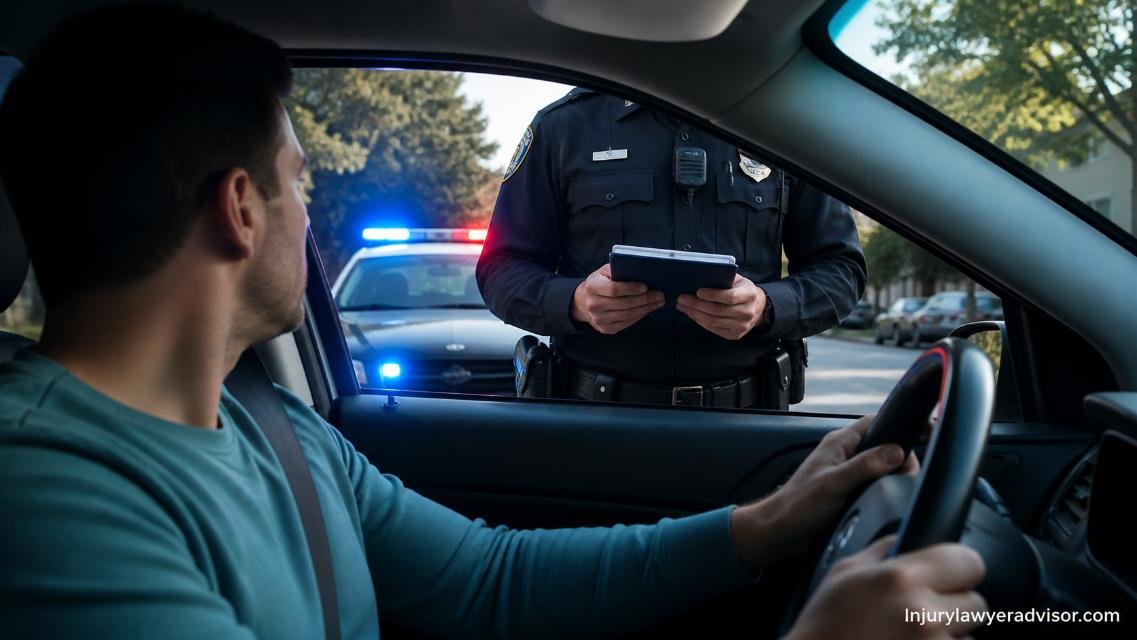
Driving without insurance exposes the driver to legal penalties, financial liability, and administrative restrictions. A police officer can issue a citation during a traffic stop, a DMV can suspend registration, and a court can require fines or proof of future financial responsibility.
Traffic Citation
A traffic citation records the insurance violation. The citation can require the driver to appear in court, pay a fine, or submit proof that valid insurance existed at the time of the stop. A driver who recently bought coverage after the stop usually still needs to answer the original violation.
Fines and Fees
Fines punish the violation, while fees restore driving privileges. First-offense penalties vary widely by jurisdiction, with some penalties ranging from a modest fine to lengthy license suspension. Administrative fees, court costs, reinstatement charges, and late penalties can make the total cost much higher than the original ticket.
License Suspension
License suspension removes the legal right to drive. A suspended license creates a second legal problem when the driver continues driving. Reinstatement usually requires proof of insurance, payment of fees, and sometimes completion of a required filing period.
Vehicle Impoundment
Vehicle impoundment means the vehicle can be towed and held. Towing fees, storage fees, and release requirements can create immediate financial pressure. Repeat offenses increase the chance of impoundment in many jurisdictions.
What Happens If You Cause an Accident Without Insurance?
An uninsured at-fault accident can make the driver personally responsible for medical bills, vehicle repairs, lost wages, legal claims, and property damage. Liability insurance normally pays covered third-party losses when the insured driver causes a crash. Without coverage, the injured party can pursue the driver directly.
Personal Liability
Personal liability means the driver’s own money, wages, savings, and assets may be exposed. A serious injury claim can exceed the cost of many years of insurance premiums. A court judgment can also damage credit and financial stability.
Medical Bills
Medical bills can include emergency care, surgery, rehabilitation, medication, follow-up treatment, and long-term care. Health insurance may cover some costs for the injured person, but insurers or injured parties may still pursue reimbursement from the at-fault uninsured driver.
Vehicle Repair Costs
Vehicle repair costs can include bodywork, parts, labor, rental car charges, diminished value, and total-loss replacement. A newer vehicle, luxury vehicle, or commercial vehicle can create a claim far larger than a typical driver expects.
Lawsuits
A lawsuit can turn an accident into a long financial dispute. Legal defense costs, settlement pressure, judgment risk, and wage garnishment can follow. A driver without insurance must usually handle defense and payment without insurer support.
What Legal Penalties Can Apply?
Legal penalties depend on the location, prior record, accident involvement, and proof of coverage. Common consequences include fines, license suspension, registration suspension, vehicle impoundment, and SR-22 requirements.
| Penalty Type | Common Trigger | Common Result |
| Fine | First insurance violation | Payment to court or agency |
| License suspension | No proof or repeat violation | Loss of driving privilege |
| Registration suspension | Insurance lapse | Vehicle cannot be legally operated |
| SR-22 filing | Serious or repeat violation | Insurer must file proof with state |
| Impoundment | Repeat offense or accident | Tow and storage costs |
First Offense
A first offense often brings a fine, proof-of-insurance requirement, and possible temporary suspension. Some courts reduce penalties when the driver proves valid coverage existed during the stop, but buying insurance after the citation does not erase the original uninsured period.
Repeat Offense
A repeat offense usually brings harsher penalties. Courts and motor vehicle agencies often treat repeated uninsured driving as a sign of higher public risk. Higher fines, longer suspensions, stricter filing requirements, and impoundment become more likely.
Accident-Related Offense
An accident-related offense creates more serious consequences because another person may suffer damage or injury. The driver may face both traffic penalties and civil liability. A crash report can also trigger DMV action.
Criminal Classification
Criminal classification varies by jurisdiction. Some places treat uninsured driving as a civil traffic violation, while others may classify certain cases as misdemeanors, especially when repeat offenses, false documents, suspended registration, or accidents are involved.
What Financial Risks Follow Uninsured Driving?
Financial risk is the largest hidden danger of driving uninsured. Insurance transfers covered accident costs to an insurer. Without insurance, the driver becomes the payment source.
Out-of-Pocket Damage
Out-of-pocket damage includes repair bills, medical bills, towing, rental vehicles, and property replacement. A driver who cannot pay immediately may face collections, payment plans, lawsuits, or judgments.
Higher Premiums
Higher premiums often follow a lapse in coverage. Insurers view uninsured driving as a risk signal. A driver with a lapse, citation, accident, or SR-22 requirement may pay more for future coverage.
SR-22 Cost
An SR-22 is not insurance. An SR-22 is a certificate filed by an insurer to prove financial responsibility. The filing fee may be small, but the related high-risk insurance premium can be expensive.
Debt and Judgment Risk
Debt and judgment risk grows after an uninsured at-fault accident. A court judgment can follow the driver for years. Wage garnishment, bank levies, liens, and damaged credit may become possible depending on local law.
How Does Driving Without Insurance Affect the Vehicle?
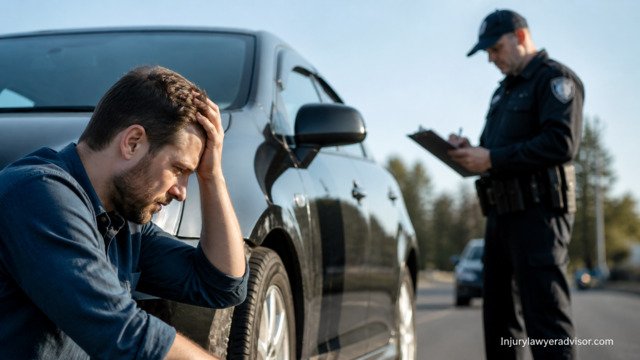
Driving without insurance can affect both the driver and the vehicle record. A state agency can suspend registration, block renewal, or require proof of coverage before the vehicle returns to legal road use.
Registration Suspension
Registration suspension means the vehicle cannot legally be driven on public roads. A driver may need to provide proof of insurance, pay reinstatement fees, and satisfy agency requirements before registration becomes active again.
Plate Surrender
Plate surrender may be required after an insurance lapse in some jurisdictions. A vehicle owner who keeps plates active without insurance may face daily penalties or registration enforcement.
Towing and Storage
Towing and storage costs can increase quickly. A vehicle held in an impound lot may require proof of ownership, proof of insurance, valid license status, and payment of fees before release.
Loan or Lease Problems
Loan or lease agreements usually require insurance. A lender can add force-placed insurance, charge fees, or treat the lapse as a contract violation. Force-placed coverage often protects the lender’s interest rather than the driver’s full liability exposure.
What Should You Do After Getting Caught Without Insurance?
A driver caught without insurance should stop driving, buy valid coverage, read the citation carefully, and respond before the deadline. Missing a court date or agency deadline can create additional penalties.
Buy Coverage
Buying coverage protects the driver going forward. New coverage usually starts on the policy effective date and does not retroactively cover a past stop or past accident. The declarations page and insurance ID card should be saved.
Check the Citation
The citation lists the violation, deadline, court address, and response options. A driver should verify whether the case requires court appearance, online payment, proof submission, or DMV action.
Contact the Court or DMV
The court or DMV can explain procedural requirements. Staff may clarify deadlines, accepted proof documents, reinstatement steps, and payment methods. Legal advice should come from a qualified attorney.
Avoid Driving Until Legal
Avoiding further driving prevents a second violation. Driving again without insurance, or while suspended, can make the situation much worse. A legal driver, rideshare, public transit, or delivery service can reduce risk.
What Are the Pros and Cons of Maintaining Insurance?
Maintaining insurance protects legal status, financial stability, and accident readiness. The main disadvantage is premium cost, but the cost of one uninsured crash can be far higher.
Pros
Insurance provides legal compliance, liability protection, accident support, claim handling, and peace of mind. An insurer can investigate claims, negotiate settlements, defend covered lawsuits, and pay covered damages up to policy limits.
Cons
Insurance requires monthly, semiannual, or annual payments. Premiums can feel expensive for young drivers, high-risk drivers, urban drivers, or drivers with prior violations. Coverage gaps, deductibles, exclusions, and limits also require careful review.
Practical Value
Practical value comes from risk transfer. A driver pays a predictable premium to avoid unpredictable financial loss. That exchange protects income, assets, family stability, and future mobility.
Future Scope
Future insurance enforcement will likely become more digital. Electronic verification systems, real-time DMV databases, and automated lapse detection can make uninsured driving easier to identify and harder to hide.
How Can Drivers Lower Insurance Costs Legally?
Drivers can lower insurance costs by comparing quotes, adjusting coverage carefully, improving risk factors, and asking for discounts. Lower cost should not mean illegal driving.
Compare Quotes
Quote comparison helps drivers find better pricing. Different insurers price the same driver differently. A driver should compare liability limits, deductibles, exclusions, payment fees, and customer service quality.
Raise Deductibles Carefully
A higher deductible can reduce premium cost for collision or comprehensive coverage. The driver should only choose a deductible that can be paid after a claim.
Use Discounts
Discounts may apply for safe driving, bundling, anti-theft devices, defensive driving courses, good student status, paperless billing, autopay, and low mileage. Each discount reduces premium pressure without creating legal risk.
Reduce Risk Factors
Risk factors include tickets, accidents, poor credit in some regions, high annual mileage, and expensive vehicle models. Safer driving and consistent coverage history can improve future pricing.
Conclusion
Driving without insurance can lead to fines, license suspension, registration suspension, impoundment, lawsuits, and higher future premiums. The largest risk is not the ticket; the largest risk is personal liability after an accident. A driver protects legal status and financial stability by maintaining required coverage, responding quickly to any citation, and avoiding the road until insurance is active.
FAQs
Can you go to jail for driving without insurance?
Jail is uncommon for a simple first offense in many places, but some jurisdictions allow harsher penalties for repeat violations, false proof, suspended-license driving, or accident-related cases.
Can police tell whether you have insurance?
Police may request proof during a stop, and many regions use electronic insurance verification. A driver should keep current proof available in the vehicle or on a phone where digital proof is accepted.
Does buying insurance after a ticket dismiss the ticket?
Buying insurance after a ticket usually helps future compliance but usually does not prove coverage for the past violation. Some courts may reduce penalties when a driver quickly obtains coverage.
What happens if someone hits me and I have no insurance?
A not-at-fault uninsured driver may still face penalties for driving uninsured. Recovery rules vary by location, and some areas limit certain claims for uninsured drivers.
Is driving without proof the same as driving without insurance?
Driving without proof can be different from driving without coverage. A driver who had valid insurance but forgot the card may face a smaller documentation issue, depending on local law.
What is the safest action after an insurance lapse?
The safest action is to stop driving, contact the insurer, restore coverage, and confirm the policy effective date before using the vehicle again
