

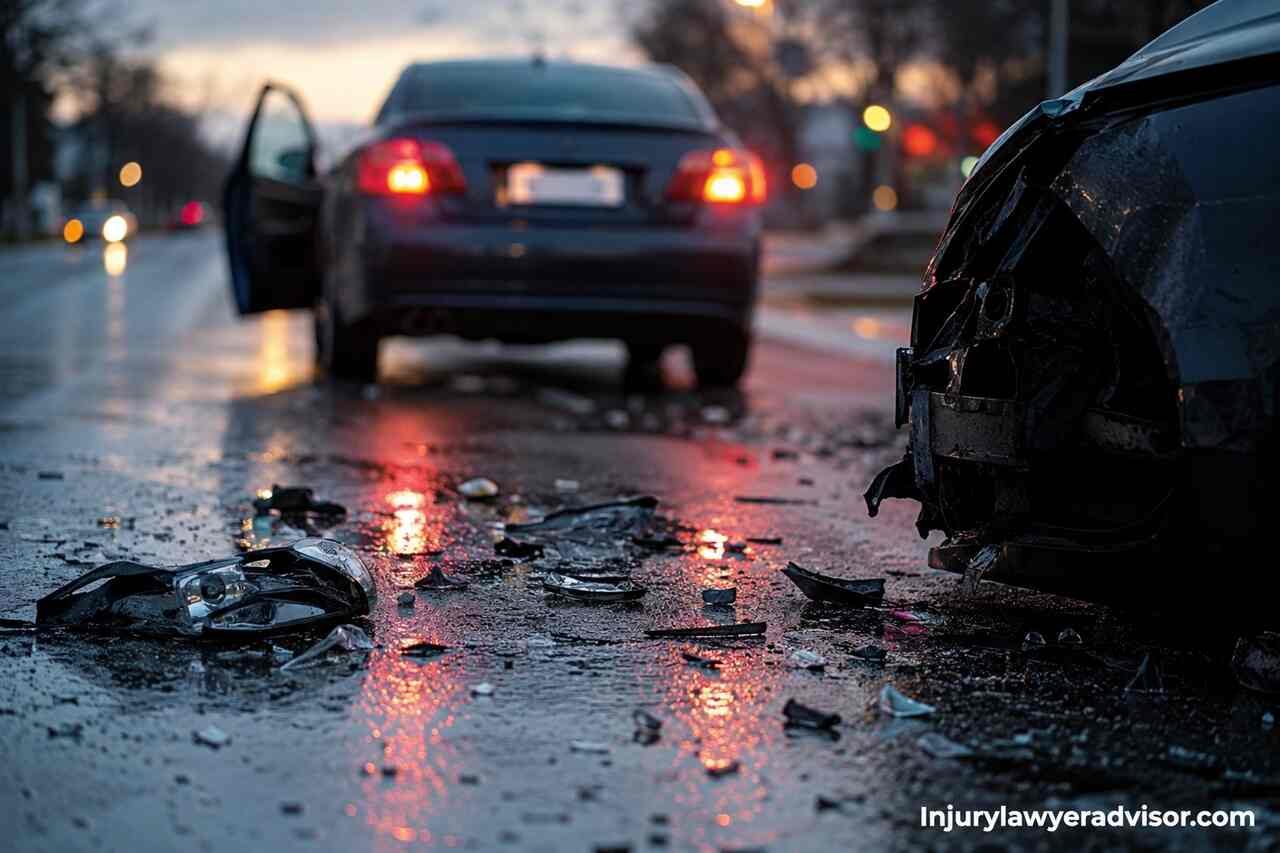
Hit and run cases create serious legal, financial, and emotional consequences for everyone involved. When a driver leaves the scene of an accident without stopping to provide assistance or exchange information, the act becomes more than a traffic violation. In many jurisdictions, it becomes a criminal offense that can lead to fines, imprisonment, license suspension, civil lawsuits, and long-term damage to personal and professional reputation.
Road accidents involving pedestrians, cyclists, motorcyclists, parked vehicles, and public property continue to increase in urban and rural regions alike. Governments, law enforcement agencies, insurance providers, and courts treat hit and run incidents aggressively because these cases often delay emergency medical treatment and obstruct investigations. Drivers who flee the scene may face harsher punishment than the penalties associated with the original collision itself.
Understanding the legal structure surrounding hit and run offenses helps drivers, accident victims, and families respond properly after an incident. This guide explains the legal consequences, criminal classifications, insurance complications, victim rights, court procedures, evidence collection methods, and preventive measures related to hit and run cases.
Identify the Actions That Constitute a Hit and Run Offense
A hit and run case occurs when a driver involved in an accident leaves the location without fulfilling legal obligations. These obligations generally include stopping the vehicle, checking for injuries, contacting emergency services, and exchanging identification and insurance information.
Traffic laws usually classify several situations as hit and run offenses. A driver may strike another vehicle, a pedestrian, a cyclist, roadside infrastructure, or private property and then leave the scene intentionally. Even minor collisions involving parked vehicles can trigger criminal liability if the driver departs without attempting to notify the owner or local authorities.
The seriousness of the offense often depends on the outcome of the collision. Property damage cases may lead to misdemeanor charges, while accidents involving bodily injury or death frequently result in felony prosecution. Courts also evaluate whether the driver acted knowingly, attempted to conceal evidence, or drove under the influence of alcohol or drugs during the incident.
Common Situations That Lead to Hit and Run Charges
| Incident Type | Possible Legal Classification | Typical Consequences |
| Damage to parked vehicle | Misdemeanor | Fine, restitution, license points |
| Collision with moving vehicle | Misdemeanor or felony | Jail time, civil liability |
| Injury to pedestrian | Felony | Prison sentence, compensation claims |
| Fatal accident | Serious felony offense | Long-term imprisonment |
| Damage to public property | Traffic crime | Government reimbursement claims |
Stop Immediately After an Accident to Fulfill Legal Duties
Drivers involved in accidents must stop immediately, regardless of fault. Leaving the scene creates a separate legal offense independent of who caused the collision. Many drivers mistakenly believe they can avoid responsibility by fleeing, but surveillance cameras, eyewitnesses, mobile phone recordings, and forensic vehicle analysis frequently identify suspects.
Most jurisdictions require drivers to provide their name, address, vehicle registration number, and insurance information. If injuries occur, the driver must contact emergency medical services and law enforcement. Failure to render reasonable assistance can become an aggravating factor during prosecution.
Drivers should remain calm, avoid confrontational behavior, and cooperate with responding officers. Attempting to hide vehicle damage, repair evidence quickly, or provide false statements can increase criminal exposure. Courts often interpret these actions as evidence of consciousness of guilt.
In accidents involving unattended vehicles, many laws require the driver to leave written contact information in a visible place and notify local authorities within a specified period. Ignoring these obligations can still produce hit and run charges even when the collision appears minor.
Understand Criminal Penalties Associated With Hit and Run Cases
Criminal penalties vary according to injury severity, property damage, prior driving history, and intoxication factors. Legislatures generally impose stronger punishments in cases involving serious bodily injury or death because victims may lose critical emergency treatment time after abandonment.
Misdemeanor convictions commonly involve fines, probation, community service, mandatory driving education programs, and temporary license suspension. Repeat offenders may face enhanced penalties and mandatory jail sentences.
Felony cases carry far more severe consequences. Prosecutors may seek prison terms, substantial financial penalties, long-term license revocation, electronic monitoring, and permanent criminal records. A felony conviction can affect employment opportunities, immigration status, professional licensing, housing access, and international travel permissions.
Courts may also order restitution payments to compensate victims for medical expenses, lost wages, rehabilitation costs, and property repairs. Civil judgments can exist separately from criminal penalties, meaning offenders may face financial liability for many years after sentencing.
Typical Criminal Consequences by Severity
| Severity Level | Criminal Charge | Potential Punishment |
| Property damage only | Misdemeanor | Fine, probation, license suspension |
| Minor physical injury | Gross misdemeanor or felony | Jail sentence, restitution |
| Serious bodily injury | Felony | Multi-year prison sentence |
| Fatality | Felony vehicular offense | Long-term imprisonment |
| Repeat hit and run offense | Enhanced felony | Increased sentencing range |
Gather Evidence Quickly After a Hit and Run Incident
Victims and witnesses play an important role in identifying fleeing drivers. Immediate evidence collection significantly improves the chances of locating the suspect vehicle and supporting legal claims.
Important evidence includes photographs of vehicle debris, tire marks, injuries, road conditions, surveillance footage, and traffic camera recordings. Witness statements often help investigators reconstruct the timeline and identify vehicle characteristics such as color, model, license plate fragments, and direction of travel.
Police officers typically prepare accident reports documenting the scene, estimated damages, witness interviews, and forensic observations. Victims should request a copy of this report because insurance providers and attorneys frequently rely on it during claims and litigation.
Medical documentation is equally important. Emergency room records, diagnostic scans, treatment plans, and physician notes establish the connection between the collision and resulting injuries. Delayed treatment may weaken injury claims because insurers often argue that unrelated conditions caused the symptoms.
Digital evidence has become increasingly influential in modern hit and run investigations. Dash cameras, GPS records, mobile phone location data, and nearby business security systems frequently provide critical proof that assists prosecutors and insurance investigators.
Cooperate With Law Enforcement During the Investigation

Law enforcement agencies investigate hit and run cases through traffic reconstruction, witness interviews, forensic analysis, and digital surveillance review. Cooperation from victims and witnesses accelerates the investigative process and improves prosecutorial outcomes.
Investigators often inspect paint transfers, broken headlights, bumper fragments, and tire impressions to identify the suspect vehicle. Vehicle repair shops may also provide leads when drivers attempt sudden repairs after an accident.
Police departments increasingly rely on automated license plate recognition systems and citywide camera networks. These technologies allow investigators to track vehicle movement patterns near the crash location. Social media posts and online marketplace listings for damaged vehicles sometimes provide additional evidence.
Drivers accused of hit and run offenses should exercise caution when communicating with investigators. Statements made during interviews can become evidence in court proceedings. Legal counsel helps defendants understand procedural rights, avoid self-incrimination, and prepare a defense strategy.
Criminal defense attorneys may challenge identification evidence, question witness reliability, dispute intent, or argue that the accused lacked knowledge of the collision. In some cases, panic, medical emergencies, or genuine unawareness become central issues during litigation.
File Insurance Claims Correctly After a Hit and Run Collision
Insurance complications often arise immediately after a hit and run accident. Victims may initially believe compensation is impossible if the fleeing driver remains unidentified, but uninsured motorist coverage and collision insurance frequently provide financial protection.
Policyholders should notify their insurance carrier promptly and provide accurate documentation. Delayed reporting can create suspicion and increase the likelihood of claim denial. Insurance companies generally request police reports, medical records, photographs, repair estimates, and witness information.
Uninsured motorist bodily injury coverage commonly applies when the at-fault driver cannot be identified. Collision coverage may pay for vehicle repairs regardless of fault, though deductibles often apply. Personal injury protection benefits may also assist with medical expenses and lost income.
Insurance investigators examine inconsistencies carefully because fraudulent hit and run claims occur periodically. Providing false information can result in denied claims, policy cancellation, civil penalties, and criminal fraud charges.
Insurance Coverage Types Relevant to Hit and Run Cases
| Coverage Type | Purpose | Common Benefits |
| Collision coverage | Vehicle repair costs | Repairs regardless of fault |
| Uninsured motorist coverage | Injury compensation | Medical bills and lost wages |
| Personal injury protection | Immediate medical support | Healthcare and rehabilitation |
| Liability coverage | Damage caused to others | Third-party compensation |
| Medical payments coverage | Injury treatment expenses | Emergency medical reimbursement |
Pursue Civil Compensation Through Legal Claims
Victims injured in hit and run incidents may pursue civil lawsuits against identified drivers. Civil litigation differs from criminal prosecution because the focus centers on financial compensation rather than punishment.
Compensation may include medical expenses, rehabilitation costs, future treatment needs, lost income, reduced earning capacity, emotional distress, pain and suffering, and property damage. Families affected by fatal collisions may file wrongful death claims seeking funeral expenses and loss of financial support.
Attorneys frequently work with accident reconstruction experts, medical specialists, vocational analysts, and economists to calculate long-term damages. Severe injuries involving spinal trauma, brain injuries, amputations, or permanent disability can produce substantial compensation demands.
Civil courts apply different standards of proof than criminal courts. Prosecutors must prove guilt beyond a reasonable doubt, while civil plaintiffs generally need to establish liability through a preponderance of evidence. This distinction means a driver could avoid criminal conviction yet still face civil liability.
Settlement negotiations often occur before trial. Insurance carriers may attempt to minimize payouts, especially when liability evidence appears uncertain. Strong documentation and professional legal representation improve negotiating leverage.
Defend Against Hit and Run Allegations Strategically
Defendants accused of fleeing accident scenes must address both criminal and civil exposure. Early legal intervention helps preserve evidence, evaluate procedural violations, and develop defense strategies.
Some cases involve mistaken identity. Vehicle descriptions from witnesses may be inaccurate during stressful events or nighttime conditions. Attorneys may challenge surveillance quality, eyewitness reliability, or forensic conclusions.
Knowledge becomes a critical legal issue in many prosecutions. A driver may argue that they were unaware contact occurred, particularly in low-impact collisions or cases involving large commercial vehicles. Medical emergencies, panic reactions, or immediate safety concerns may also become relevant factors.
Defense strategies often examine whether law enforcement followed constitutional procedures during searches, interrogations, or vehicle seizures. Illegally obtained evidence may become inadmissible in court under procedural rules.
Negotiated plea agreements sometimes reduce felony charges to lesser offenses, particularly when defendants voluntarily surrender, cooperate with investigators, compensate victims, or maintain clean driving records. Sentencing outcomes frequently depend on remorse, prior conduct, and the severity of harm caused.
Protect Victim Rights Throughout Court Proceedings
Victims possess important legal rights during criminal and civil proceedings. Many jurisdictions provide victim notification systems that update affected individuals regarding arrests, hearings, plea negotiations, and sentencing dates.
Victim impact statements allow injured parties and families to describe emotional, physical, and financial consequences resulting from the collision. Judges often consider these statements when determining sentencing outcomes.
Compensation programs administered by governments may assist victims facing medical costs, counseling expenses, funeral bills, or lost income. Eligibility rules vary, but cooperation with law enforcement generally improves access to benefits.
Emotional trauma remains a significant issue after hit and run incidents. Anxiety, depression, post-traumatic stress symptoms, and fear of driving frequently affect survivors and witnesses. Mental health treatment records may also support compensation claims involving emotional suffering.
Families dealing with fatal incidents often encounter lengthy legal proceedings involving autopsy reports, forensic investigations, insurance disputes, and probate matters. Legal guidance helps families navigate these processes while protecting financial interests.
Prevent Hit and Run Incidents Through Responsible Driving Practices
Preventive driving habits reduce accident risks and improve public safety. Defensive driving techniques, proper vehicle maintenance, and adherence to traffic laws remain essential components of responsible road behavior.
Drivers should avoid distracted driving activities such as texting, social media use, eating, or handheld device operation. Impaired driving involving alcohol, narcotics, or fatigue significantly increases collision probability and frequently contributes to panic-driven flight responses after accidents.
Dash cameras have become valuable tools for both prevention and evidence preservation. Recorded footage may clarify fault disputes, identify fleeing vehicles, and discourage fraudulent claims. Commercial fleets and rideshare operators increasingly rely on integrated camera systems for risk management.
Communities also contribute to prevention through better street lighting, traffic calming measures, pedestrian crossings, surveillance infrastructure, and public awareness campaigns. Law enforcement visibility near high-risk intersections often reduces reckless driving behavior.
Education programs emphasizing legal consequences and victim impact can discourage drivers from fleeing collision scenes. Understanding that leaving the scene typically worsens legal exposure may encourage compliance after accidents occur.
Compare Legal Consequences Across Different Hit and Run Scenarios
Different accident circumstances create varying levels of legal and financial exposure. Courts evaluate factors such as intoxication, injury severity, prior offenses, and cooperation after the incident.
| Scenario | Criminal Exposure | Civil Liability | Insurance Impact |
| Minor parking lot collision | Low to moderate | Property repair costs | Premium increase |
| Injury to cyclist | High | Medical and wage claims | Possible policy cancellation |
| DUI-related hit and run | Severe felony exposure | Extensive damages | Coverage complications |
| Commercial vehicle accident | Regulatory penalties | Corporate liability claims | Fleet insurance review |
| Fatal pedestrian collision | Maximum felony risk | Wrongful death lawsuit | Multi-layer litigation |
Recognize the Long-Term Consequences of Convictions
The effects of a hit and run conviction frequently continue long after court proceedings end. Criminal records may appear during employment background checks, professional licensing reviews, rental applications, and educational admissions processes.
Insurance premiums often rise substantially following convictions. Some insurers may cancel policies entirely, forcing drivers into high-risk insurance categories with expensive coverage requirements.
Commercial drivers face additional complications involving commercial driving licenses, transportation certifications, and employer disciplinary actions. A conviction may end careers involving logistics, passenger transportation, or hazardous material operations.
International travel restrictions can also emerge because certain countries deny entry to individuals with criminal convictions. Immigration applications, visa renewals, and residency petitions may become more difficult after felony findings.
Social consequences often accompany legal penalties. Community reputation, family relationships, and psychological well-being may deteriorate due to public scrutiny and ongoing financial stress.
Conclusion
Hit and run cases involve far more than simple traffic violations. These incidents create criminal exposure, civil liability, insurance disputes, emotional trauma, and long-term personal consequences. Courts and law enforcement agencies treat fleeing accident scenes seriously because victims may lose access to immediate medical assistance and fair compensation.
Drivers must understand their legal obligations after any collision, regardless of fault or accident severity. Stopping at the scene, contacting emergency services, exchanging information, and cooperating with authorities remain essential legal responsibilities. Leaving the scene often transforms manageable traffic incidents into life-altering criminal cases.
Victims benefit from rapid evidence collection, timely medical treatment, police cooperation, and accurate insurance reporting. Strong documentation strengthens both criminal investigations and civil compensation claims. Legal representation also plays an important role for both victims and defendants navigating complex proceedings.
Responsible driving behavior, defensive awareness, and knowledge of legal duties remain the most effective ways to reduce hit and run incidents and protect public safety.
FAQ’s
Can a driver go to jail for a hit and run accident?
Yes. Jail or prison sentences are common in hit and run cases involving injuries, fatalities, repeat offenses, or intoxication. Penalties vary depending on local criminal laws and accident severity.
Is leaving the scene always considered a criminal offense?
In most jurisdictions, yes. Even accidents involving minor property damage can result in misdemeanor charges if the driver fails to stop and provide required information.
Can victims receive compensation if the driver is never found?
Yes. Uninsured motorist coverage, collision insurance, and victim compensation programs may help cover medical bills, vehicle repairs, and lost wages.
How do police identify hit and run drivers?
Investigators use surveillance cameras, witness statements, vehicle debris, paint analysis, traffic footage, license plate recognition systems, and digital evidence such as dash camera recordings.
Does a hit and run conviction affect insurance rates?
Yes. Insurance premiums often increase significantly after conviction, and some insurers may cancel policies or classify the driver as high risk.
Should a person accused of hit and run hire a lawyer?
Yes. Legal counsel can protect procedural rights, evaluate evidence, negotiate with prosecutors, and develop defense strategies that may reduce penalties or charges.
