
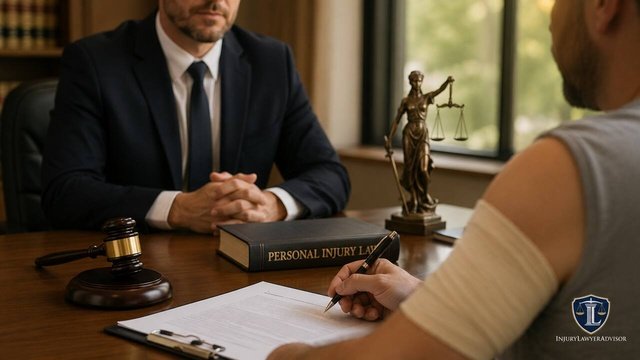
Suffering a workplace injury or being hurt because of someone else’s negligence can leave you dealing with medical bills, lost wages, and uncertainty about your future. The Law Office of Saunders Workers Compensation and Personal Injury focuses on helping injured individuals understand their legal rights and pursue compensation through workers’ compensation claims or personal injury cases. While every legal matter is unique, knowing how these cases work and what to expect from a law firm in this practice area can help you make informed decisions.
This guide explains the services commonly offered by a workers’ compensation and personal injury law office, the claims process, common challenges, and practical tips to protect your legal rights.
Understanding the Law Office of Saunders Workers Compensation and Personal Injury
The Law Office of Saunders Workers Compensation and Personal Injury generally represents clients who have suffered injuries due to workplace accidents or another party’s negligence. The firm’s primary objective is to help injured individuals recover financial compensation while guiding them through complex legal procedures.
Depending on the circumstances, the office may assist with:
- Workers’ compensation claims
- Personal injury lawsuits
- Construction accident cases
- Slip and fall injuries
- Motor vehicle accidents
- Wrongful death claims
- Insurance disputes
- Disability-related legal matters
Each case requires careful evaluation of medical records, accident reports, insurance policies, and applicable state laws.
Workers’ Compensation Explained
Workers’ compensation is an insurance system that provides benefits to employees injured while performing job-related duties. Unlike many personal injury claims, workers’ compensation generally does not require proving employer negligence.
Benefits may include:
- Medical treatment expenses
- Temporary wage replacement
- Permanent disability benefits
- Vocational rehabilitation
- Death benefits for surviving family members
For example, if a warehouse employee injures their back while lifting heavy equipment, workers’ compensation may cover medical treatment and part of the wages lost during recovery.
Personal Injury Cases: How They Differ
Personal injury law applies when another individual, company, or organization is legally responsible for causing an injury through negligence or wrongful conduct.
Common personal injury cases include:
Car Accidents
Drivers injured because another motorist failed to obey traffic laws may seek compensation for medical expenses, lost income, pain and suffering, and property damage.
Slip and Fall Accidents
Property owners have a duty to maintain reasonably safe premises. Dangerous conditions such as wet floors, broken stairs, or poor lighting may result in liability if they cause injuries.
Dog Bites
Many states impose legal responsibility on dog owners when their pets seriously injure another person.
Defective Products
Manufacturers may be held responsible if defective products cause consumer injuries due to design flaws, manufacturing defects, or inadequate warnings.
Workers’ Compensation vs. Personal Injury
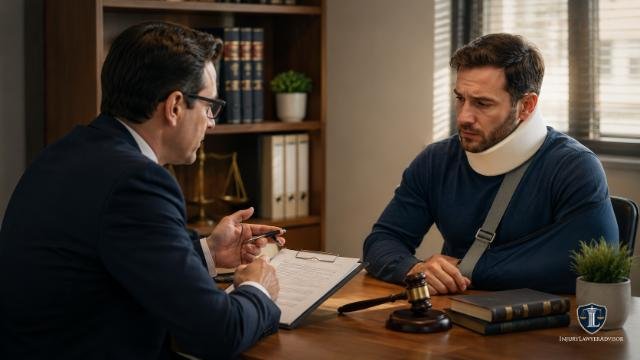
Although both involve injury claims, they operate under different legal standards.
| Workers’ Compensation | Personal Injury |
| Covers work-related injuries | Covers injuries caused by negligence |
| Usually no need to prove employer fault | Plaintiff generally must prove negligence |
| Medical expenses and wage benefits available | Broader damages may be recoverable |
| Usually cannot recover pain and suffering | Pain and suffering may be available |
| Governed by workers’ compensation laws | Governed by civil negligence law |
Understanding these differences helps injured individuals pursue the appropriate legal path.
Types of Workplace Injuries Commonly Handled
Workers’ compensation attorneys often represent employees suffering injuries across many industries.
Common examples include:
- Back injuries
- Neck injuries
- Shoulder injuries
- Knee injuries
- Broken bones
- Head trauma
- Repetitive stress injuries
- Hearing loss
- Burns
- Chemical exposure
- Occupational illnesses
Some injuries develop gradually. For example, repetitive typing can contribute to carpal tunnel syndrome, while years of exposure to harmful chemicals may result in occupational diseases.
The Workers’ Compensation Claim Process
Understanding the process can reduce delays and improve the chances of a successful claim.
1. Report the Injury
Notify your employer as soon as possible after the accident. Delayed reporting may complicate the claim.
2. Seek Medical Treatment
Prompt medical care protects your health and creates documentation linking the injury to the workplace incident.
3. File the Required Forms
Every state has filing requirements and deadlines. Missing these deadlines may affect eligibility for benefits.
4. Insurance Investigation
The employer’s insurance carrier reviews medical records, accident reports, and other evidence before accepting or denying the claim.
5. Receive Benefits or Appeal
If approved, benefits begin according to state law. If denied, an attorney may help appeal the decision through the appropriate administrative process.
How Personal Injury Claims Typically Work
Personal injury cases generally follow several stages.
Investigation
The attorney gathers evidence, including:
- Police reports
- Medical records
- Witness statements
- Surveillance footage
- Expert opinions
- Accident reconstruction reports
Establishing Liability
The injured party must usually demonstrate:
- The defendant owed a legal duty.
- That duty was breached.
- The breach caused the injury.
- Damages resulted.
Negotiating with Insurance Companies
Many personal injury cases settle before trial. Settlement discussions often involve extensive negotiations over liability, medical expenses, future care, lost earnings, and other damages.
Litigation
If settlement negotiations fail, the case may proceed through discovery, court hearings, and potentially a trial.
Common Challenges Injury Victims Face
Many injured individuals encounter obstacles that can delay or reduce compensation.
These challenges may include:
- Insurance claim denials
- Disputed medical treatment
- Independent medical examinations
- Low settlement offers
- Questions about fault
- Missing documentation
- Missed filing deadlines
Legal representation can help organize evidence and respond to these issues more effectively.
Evidence That Strengthens a Claim
Whether pursuing workers’ compensation or personal injury compensation, documentation plays an essential role.
Helpful evidence includes:
- Medical records
- Accident reports
- Employer incident reports
- Witness information
- Photographs of injuries
- Photos of the accident scene
- Pay records showing lost wages
- Medical bills
- Expert evaluations
- Communication with insurance companies
Maintaining organized records from the beginning often improves the overall strength of a claim.
Mistakes That Can Hurt Your Case

Many valid claims become more difficult because of avoidable errors.
Common mistakes include:
Waiting Too Long
Legal deadlines vary by state. Delaying action may reduce or eliminate available legal remedies.
Ignoring Medical Advice
Missing appointments or failing to follow treatment recommendations may allow insurers to argue that injuries are not serious.
Giving Recorded Statements Without Preparation
Insurance adjusters may request recorded statements early in the process. It is generally wise to understand your rights before making detailed statements.
Posting About the Accident on Social Media
Photos, comments, or updates can sometimes be used against injured individuals during claim investigations.
Accepting the First Settlement Offer
Initial offers may not fully account for future medical treatment, rehabilitation costs, or lost earning capacity.
How an Attorney Can Help
A workers’ compensation and personal injury attorney provides guidance throughout the legal process by:
- Explaining legal rights
- Evaluating available claims
- Calculating potential damages
- Gathering supporting evidence
- Negotiating with insurance companies
- Managing deadlines
- Preparing appeals
- Representing clients in hearings or court when necessary
Having experienced legal assistance can be especially valuable in complex or disputed claims.
Practical Tips After an Injury
Taking the right steps immediately after an accident can protect both your health and your legal interests.
Recommended actions include:
- Report workplace injuries immediately.
- Seek medical attention without delay.
- Follow all treatment recommendations.
- Keep copies of every medical record and receipt.
- Maintain a journal documenting symptoms and recovery.
- Save communication with employers and insurers.
- Avoid discussing the case publicly.
- Consult an attorney if your claim is denied or disputed.
These simple actions often strengthen documentation and reduce avoidable complications later.
Conclusion
The Law Office of Saunders Workers Compensation and Personal Injury serves individuals facing the financial and physical consequences of workplace accidents and personal injuries. Understanding the distinction between workers’ compensation and personal injury law, gathering strong evidence, avoiding common mistakes, and acting promptly can significantly improve the outcome of a claim.
Every injury case is different, and the applicable laws depend on the state where the accident occurred. If you’ve been injured at work or because of another party’s negligence, documenting the incident, obtaining appropriate medical care, and seeking qualified legal guidance are important steps toward protecting your rights and pursuing fair compensation.
