
Introduction
Learning about village laws is essential for anyone who lives in, plans to move to, or conducts business in a village. Local laws influence daily life by regulating land use, property ownership, public services, construction, agriculture, environmental protection, community safety, and local governance. While national and regional laws apply across broader jurisdictions, village-level regulations often address community-specific needs and customs.
Understanding village laws helps residents avoid legal disputes, participate in local decision-making, protect their rights, and fulfill their responsibilities. Whether you are a homeowner, farmer, entrepreneur, researcher, or new resident, following a structured approach makes it much easier to locate, interpret, and apply local regulations. This guide explains the most effective ways to learn about village laws, identify the authorities responsible for enforcing them, and stay informed as regulations change.
Identify the Government Authority Responsible for Village Administration
The first step is determining which authority governs the village. Every country organizes local government differently, but villages are generally administered by a village council, local municipality, parish council, rural district, or similar governing body.
Understanding the governing authority allows you to locate official regulations instead of relying on rumors or unofficial interpretations. Local government offices usually maintain records related to land administration, taxation, public infrastructure, licensing, zoning, sanitation, and public safety.
Depending on the country, multiple levels of government may share responsibility. Village councils often create local bylaws, while district, county, provincial, or state governments oversee broader legal matters. Knowing which level regulates each issue prevents confusion when researching applicable laws.
Visit the Village Administrative Office
One of the most reliable ways to learn village laws is by visiting the local administrative office. Officials can explain current regulations, provide copies of bylaws, and direct residents to relevant departments.
Administrative offices commonly maintain documents covering:
| Document | Purpose | Who Uses It |
| Village bylaws | Local regulations | Residents and businesses |
| Land records | Property ownership | Landowners |
| Building permits | Construction approval | Property developers |
| Tax records | Local taxation | Property owners |
| Public notices | New regulations | Entire community |
| Meeting minutes | Council decisions | Citizens and researchers |
Many offices also publish announcements regarding elections, infrastructure projects, public hearings, environmental initiatives, and emergency regulations.
If printed documents are unavailable, officials can usually explain where official legal records are stored or how residents may request access.
Review Official Village Bylaws and Local Regulations
Village bylaws are the foundation of local governance. They establish enforceable rules adopted by the village authority.
These regulations often cover:
- Property maintenance
- Waste disposal
- Animal ownership
- Noise restrictions
- Road usage
- Public health
- Water management
- Local markets
- Community facilities
- Agricultural activities
Reading the actual bylaw helps distinguish legal requirements from local customs. Official documents typically define prohibited activities, required permits, penalties, exemptions, and enforcement procedures.
Some villages organize bylaws by subject, while others compile them into a single municipal code. Reviewing the table of contents first helps locate the sections relevant to your needs.
Access Regional and National Laws That Apply to Villages
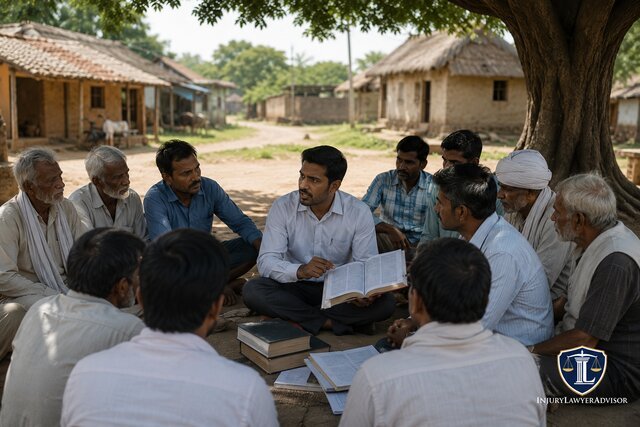
Village regulations rarely exist in isolation. National constitutions, state laws, provincial legislation, and district regulations often establish the legal framework within which villages operate.
For example, matters involving criminal law, inheritance, marriage, environmental protection, taxation, or major infrastructure are usually governed by higher levels of government rather than village authorities.
Understanding this relationship helps clarify which issues are controlled locally and which require consultation with regional government offices or national agencies. Reviewing both local and higher-level legislation provides a more complete legal picture.
Attend Village Council Meetings
Village council meetings provide valuable insight into how laws are created, interpreted, and enforced.
These meetings often discuss:
- Budget approvals
- Land development
- Road construction
- Water supply
- Public safety
- Community complaints
- Local taxes
- Licensing decisions
- Environmental concerns
- Infrastructure planning
Attending meetings allows residents to hear discussions directly from elected officials and understand the reasoning behind policy decisions.
Many councils also allow public participation through comment periods, giving citizens an opportunity to ask questions or express concerns before regulations are adopted.
Speak with Village Officials and Community Leaders
Local officials possess practical knowledge that may not appear in written regulations alone.
Useful contacts include:
- Village secretary
- Council members
- Administrative officers
- Community development officers
- Land administration staff
- Agricultural officers
- Public health representatives
These individuals can explain how regulations are implemented in practice, clarify permit requirements, and identify common misunderstandings.
Community leaders may also provide historical background regarding longstanding local practices that continue to influence governance alongside formal legal rules.
Research Land and Property Regulations
Property laws are among the most important village regulations because they directly affect ownership, construction, farming, and inheritance.
Common topics include:
| Regulation Area | Typical Coverage | Possible Requirement |
| Land ownership | Registration procedures | Title documentation |
| Construction | Building approval | Permit |
| Agricultural land | Farming restrictions | Land use compliance |
| Boundary disputes | Property lines | Survey verification |
| Public roads | Access rights | Easement rules |
| Water resources | Irrigation and drainage | Local approval |
Understanding these regulations before purchasing land or beginning construction reduces the risk of legal disputes later.
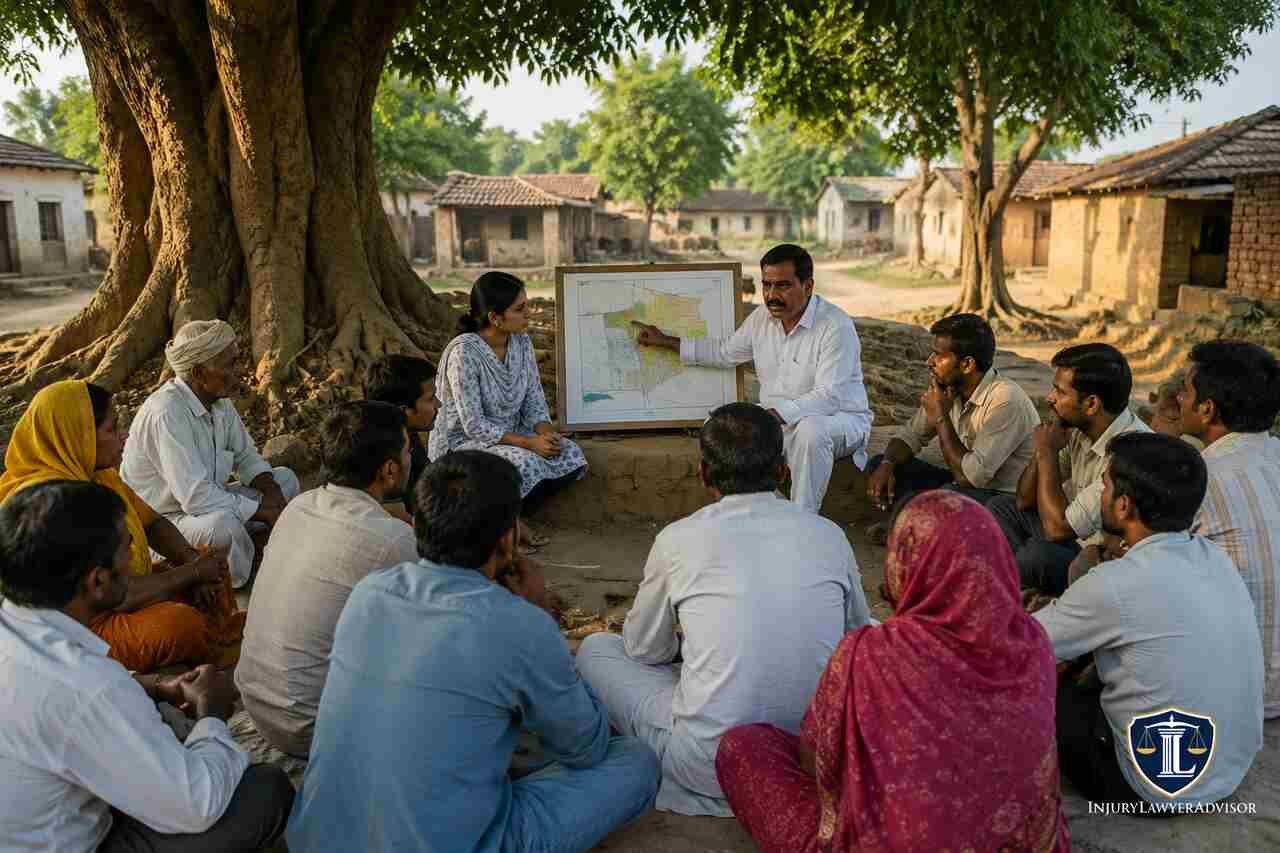
Where cadastral records exist, reviewing official maps and property boundaries provides additional certainty regarding ownership and permitted land use.
Learn Community Rules and Traditional Practices
Many villages maintain long-standing customs that complement formal legal systems. While these customs may not always carry statutory legal force, they often influence dispute resolution, ceremonies, land management, and community cooperation.
Examples include:
- Shared irrigation schedules
- Communal grazing arrangements
- Festival regulations
- Traditional conflict mediation
- Community volunteer responsibilities
- Local resource management
Understanding these practices promotes respectful participation in village life and helps newcomers integrate into the community more effectively.
Always distinguish between customary practices and legally enforceable regulations by confirming their official status with local authorities.
Use Government Websites and Public Legal Resources

Many governments now publish local legislation online. Digital resources often include searchable databases containing municipal bylaws, administrative codes, planning documents, and legal notices.
Useful online resources may include:
- Local government websites
- Regional administration portals
- National legal databases
- Public records repositories
- Geographic information systems (GIS)
- Planning and zoning portals
Online resources often provide downloadable documents, historical amendments, meeting agendas, and public consultation notices.
Checking these sources regularly helps residents stay informed about newly adopted regulations.
Consult Legal Professionals When Necessary
Some legal questions require professional interpretation, particularly when substantial financial interests or complex legal rights are involved.
Situations where professional advice is valuable include:
- Property purchases
- Inheritance matters
- Boundary disputes
- Commercial licensing
- Agricultural leases
- Environmental compliance
- Construction projects
- Litigation
Lawyers familiar with local government law can explain how village regulations interact with regional and national legislation.
Professional advice may also prevent costly mistakes before contracts are signed or construction begins.
Participate in Community Education Programs
Many local governments organize educational programs that explain community regulations.
These programs may include:
- Public workshops
- Planning consultations
- Agricultural extension meetings
- Environmental awareness sessions
- Disaster preparedness training
- Public health campaigns
Participation provides opportunities to ask questions directly to officials while learning about recent policy changes.
Community education also strengthens civic engagement by encouraging residents to understand both their rights and responsibilities.
Stay Updated on Changes to Village Laws
Village laws evolve over time as communities grow and priorities change.
Common reasons for legal updates include:
- Population growth
- Infrastructure expansion
- Environmental protection
- Public health initiatives
- Economic development
- Agricultural modernization
- Disaster management
- Technological improvements
Residents should regularly monitor public notices, council announcements, government websites, and community meetings to remain informed.
Maintaining awareness of legal changes reduces the likelihood of unintentionally violating updated regulations.
Verify Information Before Acting
Information about village laws often circulates through neighbors, social media, or community discussions. While these sources can be helpful, they should not replace official verification.
Before making important decisions involving property, construction, business operations, or legal rights, confirm the applicable rules using official documents or by consulting the appropriate government office.
Keeping copies of permits, approvals, correspondence, and official notices also provides useful documentation if questions arise later.
Build a Long-Term Understanding of Local Governance
Learning village laws is an ongoing process rather than a one-time task. As communities develop, regulations, administrative procedures, and public services continue to evolve.
Developing relationships with local officials, attending community meetings, reviewing public notices, and periodically consulting official legal resources helps residents remain informed. This long-term approach encourages active participation in local governance while supporting transparency, compliance, and constructive community involvement.
An informed resident is better equipped to protect personal rights, contribute to community development, resolve disputes responsibly, and make well-informed decisions regarding property, agriculture, business, and civic participation.
