




Introduction
Oil field work is one of the most hazardous occupations in the energy sector, involving heavy machinery, explosive materials, high-pressure systems, and remote job sites. When accidents occur, the consequences can be life-changing, often requiring long-term medical care and financial recovery. An oil field injury lawyer plays a crucial role in helping injured workers navigate complex legal claims, secure compensation, and hold negligent parties accountable. This guide explains each step of the legal process, from documenting injuries to pursuing settlement or trial, with a focus on major oil-producing regions and industry practices.
Gather Medical Documentation After Oil Field Accident
The first step after any oil field injury is to secure complete and accurate medical documentation that establishes the severity and cause of the injury. This documentation becomes the foundation of any legal claim pursued by an oil field injury lawyer.
Medical records should include emergency treatment reports, diagnostic imaging such as X-rays or MRIs, surgical notes, and ongoing rehabilitation records. It is also important to track prescriptions, physical therapy progress, and physician assessments that describe work limitations and long-term prognosis.
In oil field environments, injuries often involve burns, fractures, head trauma, and spinal damage due to equipment failures or explosions. Companies like Halliburton, Schlumberger, and Baker Hughes operate in high-risk environments where proper medical documentation is essential to establish liability and prevent disputes over pre-existing conditions.
Report the Incident Under OSHA Safety Requirements
Reporting the injury promptly is critical for compliance and for strengthening a legal claim. Employers are required to record workplace injuries and notify relevant safety authorities depending on severity.
The Occupational Safety and Health Administration sets standards for workplace safety and requires employers to document serious injuries and fatalities. Reporting ensures that an official record exists, which can later support a claim handled by an oil field injury lawyer.
In oil field operations across Texas, Oklahoma, and North Dakota, reporting procedures may vary by employer, but all incidents should be documented internally and externally when required. Delays in reporting can weaken a claim and give insurance companies grounds to dispute responsibility.
Consult an Oil Field Injury Lawyer for Case Evaluation
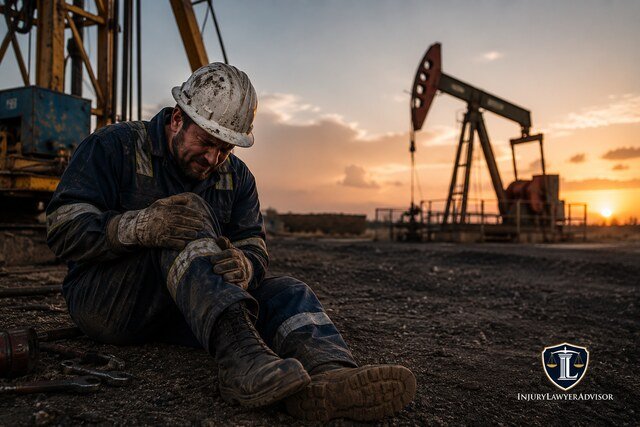

Once medical treatment begins and the incident is reported, the next step is to consult an oil field injury lawyer to evaluate legal options. This consultation helps determine whether the claim falls under workers’ compensation, third-party liability, or federal maritime law in offshore cases.
A lawyer will review employment contracts, safety records, equipment maintenance logs, and witness statements. They also assess whether negligence occurred, such as failure to maintain drilling equipment or inadequate safety training.
In many cases involving large operators like ExxonMobil or Chevron, multiple subcontractors may be involved, making liability complex. A skilled oil field injury lawyer identifies all responsible parties to maximize compensation.
File Workers’ Compensation and Third-Party Claims
Filing claims is a structured process that may involve multiple legal pathways depending on how the injury occurred and who was responsible. Workers’ compensation is typically the first avenue, but third-party claims may significantly increase compensation.
Workers’ compensation provides coverage for medical expenses and partial wage replacement, but it does not cover pain and suffering. Third-party claims, however, may be filed against equipment manufacturers, subcontractors, or negligent service providers.
| Claim Type | Coverage | Limitations | Typical Defendants |
| Workers’ Compensation | Medical bills, partial lost wages | No pain and suffering | Employer |
| Third-Party Liability | Full damages including pain and suffering | Requires proof of negligence | Contractors, manufacturers |
| Maritime Claims | Maintenance and cure, damages | Applies offshore only | Vessel operators |
In oil field environments, third-party claims are common due to equipment failures, transportation accidents, or unsafe drilling operations involving multiple contractors.
Investigate Negligence in Oil Field Operations
A core responsibility of an oil field injury lawyer is to investigate whether negligence contributed to the accident. This involves examining safety protocols, maintenance logs, and compliance with industry regulations.
Investigations often focus on whether companies followed safety standards established by Occupational Safety and Health Administration and whether equipment manufacturers followed design safety requirements. Fault may lie with service companies, site supervisors, or subcontractors.
Oil extraction operations involving companies like Halliburton, Schlumberger, and Baker Hughes often include complex supply chains. Each layer of responsibility must be analyzed to determine whether negligence occurred at the operational, supervisory, or manufacturing level.
Calculate Compensation for Oil Field Injuries
Compensation in oil field injury cases depends on the severity of injuries, lost earning capacity, and long-term medical needs. An oil field injury lawyer calculates damages using both economic and non-economic factors.
Economic damages include hospital bills, rehabilitation costs, and lost wages. Non-economic damages cover pain, suffering, emotional distress, and reduced quality of life. In severe cases, punitive damages may apply if gross negligence is proven.
| Damage Type | Description | Examples |
| Medical Expenses | All treatment-related costs | Surgery, therapy, medication |
| Lost Income | Wages lost during recovery | Missed workdays, reduced capacity |
| Pain and Suffering | Physical and emotional distress | Chronic pain, trauma |
| Future Losses | Long-term financial impact | Disability, career limitations |
Oil field injuries often result in permanent disabilities due to high-risk equipment such as drilling rigs, pressurized pipelines, and heavy transport vehicles, making accurate compensation calculation essential.
Negotiate Settlement with Oil Companies and Insurers
After evidence is gathered and damages are calculated, negotiation becomes a key phase. Insurance companies representing oil corporations typically aim to minimize payouts, making skilled legal negotiation essential.
An oil field injury lawyer presents evidence of negligence, medical documentation, and financial losses to support a fair settlement demand. Negotiations may involve multiple rounds of offers and counteroffers before a resolution is reached.
In cases involving large corporations like Chevron or ExxonMobil, settlement discussions may be influenced by internal risk assessments, litigation exposure, and regulatory concerns.
Prepare for Litigation and Trial Process
If settlement negotiations fail, the case may proceed to litigation. Trial preparation involves extensive evidence organization, witness preparation, and expert testimony.
An oil field injury lawyer will present technical evidence such as accident reconstruction reports, safety compliance audits, and medical expert evaluations. These elements help establish liability and demonstrate the full impact of the injury.
Court cases may be filed in state courts across regions like Texas or federal courts depending on jurisdiction and the nature of the employment contract. Trials can be lengthy, but they often result in higher compensation when negligence is clearly established.
Common Oil Field Injuries and Legal Impact
Oil field environments produce a wide range of injuries due to hazardous working conditions. Understanding these injuries helps clarify how legal claims are built and evaluated.
| Injury Type | Cause | Legal Consideration |
| Burn Injuries | Explosions, chemical exposure | High compensation potential |
| Spinal Injuries | Falls, equipment failure | Long-term disability claims |
| Traumatic Brain Injury | Falling objects, blasts | Cognitive impairment damages |
| Amputations | Machinery accidents | Permanent disability compensation |
Each injury type requires specialized medical and legal evaluation to determine long-term financial impact and liability distribution.
Oil Field Employer Responsibilities and Safety Compliance
Employers in the oil industry must maintain safe working environments, provide adequate training, and ensure compliance with safety regulations. Failure to meet these obligations often forms the basis of legal claims.
Safety oversight by Occupational Safety and Health Administration includes inspections, citations, and penalties for unsafe conditions. Companies operating drilling rigs and extraction sites must follow strict protocols to prevent accidents.
Major operators such as Schlumberger and Baker Hughes implement internal safety systems, but lapses still occur due to human error, equipment failure, or cost-cutting measures.
Role of Third-Party Contractors in Oil Field Injury Cases
Oil field operations often involve multiple subcontractors, making liability determination complex. Contractors may handle drilling, transportation, equipment maintenance, or site supervision.
When an accident occurs, an oil field injury lawyer investigates whether subcontractors contributed to unsafe conditions. This may include improper equipment installation, lack of safety training, or failure to follow operational procedures.
Companies like Halliburton frequently work alongside smaller contractors, creating layered responsibility structures that require detailed legal analysis.
Conclusion
Oil field injury cases involve complex legal, medical, and financial considerations that require careful handling from the earliest stages. From documenting injuries and reporting incidents to negotiating settlements or pursuing litigation, each step plays a critical role in securing fair compensation. An experienced oil field injury lawyer helps navigate these challenges by identifying negligence, evaluating damages, and holding responsible parties accountable. Given the high-risk nature of oil field work in regions such as Texas, Oklahoma, and North Dakota, strong legal representation is essential for protecting injured workers and ensuring long-term financial stability.
FAQ’s
- What does an oil field injury lawyer do?
An oil field injury lawyer helps injured workers file claims, prove negligence, and recover compensation for medical bills, lost wages, and long-term damages. - Can I sue my employer for an oil field accident?
In most cases, workers’ compensation limits lawsuits against employers, but third-party claims may still be possible against contractors or equipment manufacturers. - How long do oil field injury cases take?
Cases can take several months to several years depending on complexity, severity of injuries, and whether the case goes to trial. - What compensation can I receive?
Compensation may include medical expenses, lost income, future earnings loss, pain and suffering, and disability-related damages. - Who can be held responsible in oil field accidents?
Responsibility may extend to employers, subcontractors, equipment manufacturers, and site supervisors depending on the cause of the accident. - Do offshore oil injuries follow different laws?
Yes, offshore injuries may fall under maritime laws such as the Longshore and Harbor Workers’ Compensation Act, which provides different protections and benefits.


