
Auto law governs the legal rules connected to motor vehicles, drivers, road safety, insurance obligations, and accident liability. Every driver, vehicle owner, passenger, pedestrian, and transportation business interacts with auto law whenever a vehicle operates on public roads. These legal standards shape how traffic systems function, how accident claims are handled, and how courts determine responsibility after collisions.
Modern transportation systems rely on auto law to reduce road injuries, enforce financial responsibility, regulate vehicle ownership, and protect victims after crashes. Government agencies, insurance providers, law enforcement departments, and courts all use these laws to maintain order and accountability on highways and city streets. Drivers who understand auto law can avoid costly violations, reduce legal risks, and protect their rights during disputes.
This guide explains the major parts of auto law, including traffic regulations, insurance requirements, vehicle ownership rules, accident liability, criminal driving offenses, civil lawsuits, and consumer protections. It also covers the legal procedures involved in filing claims, responding to tickets, handling DUI charges, and resolving personal injury disputes.
Understand the Core Areas Covered by Auto Law
Auto law includes multiple legal categories that regulate how vehicles are owned, operated, insured, bought, sold, and maintained. These legal areas combine state statutes, federal transportation rules, court decisions, and insurance regulations into one broad legal framework.
Traffic law forms the foundation of auto law. It establishes speed limits, lane usage requirements, signaling rules, licensing obligations, and penalties for unsafe driving. Criminal law becomes relevant when a driver commits offenses such as reckless driving, driving under the influence, hit-and-run violations, or vehicular manslaughter.
Civil law also plays a major role because many vehicle disputes involve compensation claims. Personal injury lawsuits, insurance disagreements, wrongful death claims, and property damage cases often emerge after accidents. Consumer protection law applies when dealerships commit fraud, manufacturers release defective vehicles, or repair shops perform negligent work.
| Auto Law Area | Main Purpose | Common Legal Issues |
| Traffic Law | Regulate roadway behavior | Speeding, red-light violations, license suspension |
| Insurance Law | Ensure financial protection | Claim denials, uninsured drivers, bad faith claims |
| Personal Injury Law | Compensate accident victims | Medical expenses, pain and suffering |
| Criminal Vehicle Law | Punish dangerous conduct | DUI, reckless driving, hit-and-run |
| Consumer Vehicle Law | Protect buyers and owners | Lemon law disputes, odometer fraud |
| Vehicle Ownership Law | Regulate registration and title | Title transfer errors, registration violations |
Each category overlaps with the others. For example, a drunk driving collision may involve criminal charges, insurance disputes, civil lawsuits, and license suspension proceedings at the same time.
Follow Traffic Regulations and Driving Responsibilities
Traffic regulations establish the operational rules that drivers must follow on public roads. These laws control speed, turning movements, right-of-way procedures, parking restrictions, vehicle equipment standards, and roadway conduct. State departments of transportation and law enforcement agencies enforce these requirements through citations, fines, and administrative penalties.
Drivers must maintain a valid license, register vehicles properly, obey posted signs, and operate vehicles safely under changing road conditions. Seat belt laws, child restraint requirements, distracted driving restrictions, and motorcycle helmet regulations also fall under traffic law enforcement.
Road safety laws continue evolving because technology and transportation patterns change rapidly. Many jurisdictions now regulate cellphone usage while driving, rideshare operations, autonomous vehicle testing, and electronic toll systems. Commercial drivers face additional standards involving hours-of-service rules, vehicle inspections, and cargo regulations.
Traffic violations usually fall into three categories:
- Infractions such as speeding or illegal parking
- Misdemeanors such as reckless driving
- Felonies involving severe injury or death
Repeated violations can lead to higher insurance rates, suspended licenses, mandatory driving courses, and court appearances. Some jurisdictions use point systems that accumulate penalties against a driver’s record.
Obtain Proper Vehicle Registration and Ownership Documentation

Vehicle ownership laws regulate title transfers, registration requirements, taxation, and legal proof of ownership. Every vehicle owner must complete registration procedures through the appropriate motor vehicle agency before driving on public roads.
A vehicle title establishes legal ownership. During a sale, the seller transfers the title to the buyer, who must then register the vehicle under their own name. Incorrect title transfers can create legal disputes involving liens, unpaid loans, stolen vehicles, or ownership fraud.
Registration systems help governments identify vehicles and collect taxes related to transportation infrastructure. Drivers typically renew registration annually or biannually depending on state law. Failure to maintain current registration may result in fines, impoundment, or license suspension.
Several important documents are commonly required during ownership transactions:
| Document | Purpose | Legal Importance |
| Vehicle Title | Proves ownership | Required for transfer and sale |
| Registration Certificate | Authorizes roadway use | Confirms legal registration |
| Bill of Sale | Records transaction terms | Supports tax and ownership records |
| Insurance Proof | Verifies financial responsibility | Mandatory in most jurisdictions |
| Emissions Certificate | Confirms environmental compliance | Needed in regulated areas |
Lienholders such as banks often retain legal interests in financed vehicles. Owners cannot transfer clear title until the loan balance is satisfied. Salvage titles, rebuilt titles, and flood-damaged vehicle designations also affect ownership rights and resale value.
Maintain Mandatory Auto Insurance Coverage
Insurance law requires drivers to maintain financial responsibility for accidents and roadway damage. Most states mandate minimum liability insurance coverage before vehicles may legally operate on public roads.
Liability insurance pays for injuries or property damage caused by the insured driver. Additional coverage options include collision coverage, comprehensive protection, uninsured motorist coverage, personal injury protection, and medical payment benefits.
Insurance companies evaluate risk factors when calculating premiums. Driving history, accident frequency, credit data, vehicle type, age, and geographic location all influence policy pricing. Drivers with multiple violations or DUI convictions usually pay significantly higher premiums.
Auto insurance claims often involve disputes regarding fault determination, repair costs, medical treatment, and policy exclusions. Adjusters investigate accident scenes, interview witnesses, review police reports, and evaluate damages before approving compensation.
Bad faith insurance practices may occur when insurers intentionally delay payments, deny valid claims, or fail to investigate properly. Policyholders can sometimes pursue lawsuits against insurers that violate contractual obligations.
The most common insurance coverage categories include:
- Bodily injury liability
- Property damage liability
- Collision coverage
- Comprehensive coverage
- Uninsured motorist protection
- Personal injury protection
- Rental reimbursement
- Roadside assistance
States differ substantially regarding mandatory insurance minimums and no-fault insurance rules. Some jurisdictions require injured drivers to seek compensation from their own insurer before suing another party.
Determine Fault After a Vehicle Accident
Accident liability law determines who bears financial responsibility after a collision. Courts, insurance companies, and investigators examine evidence to identify negligent conduct and assign fault percentages.
Negligence occurs when a driver fails to exercise reasonable care while operating a vehicle. Common negligent actions include distracted driving, speeding, failure to yield, drunk driving, and unsafe lane changes.
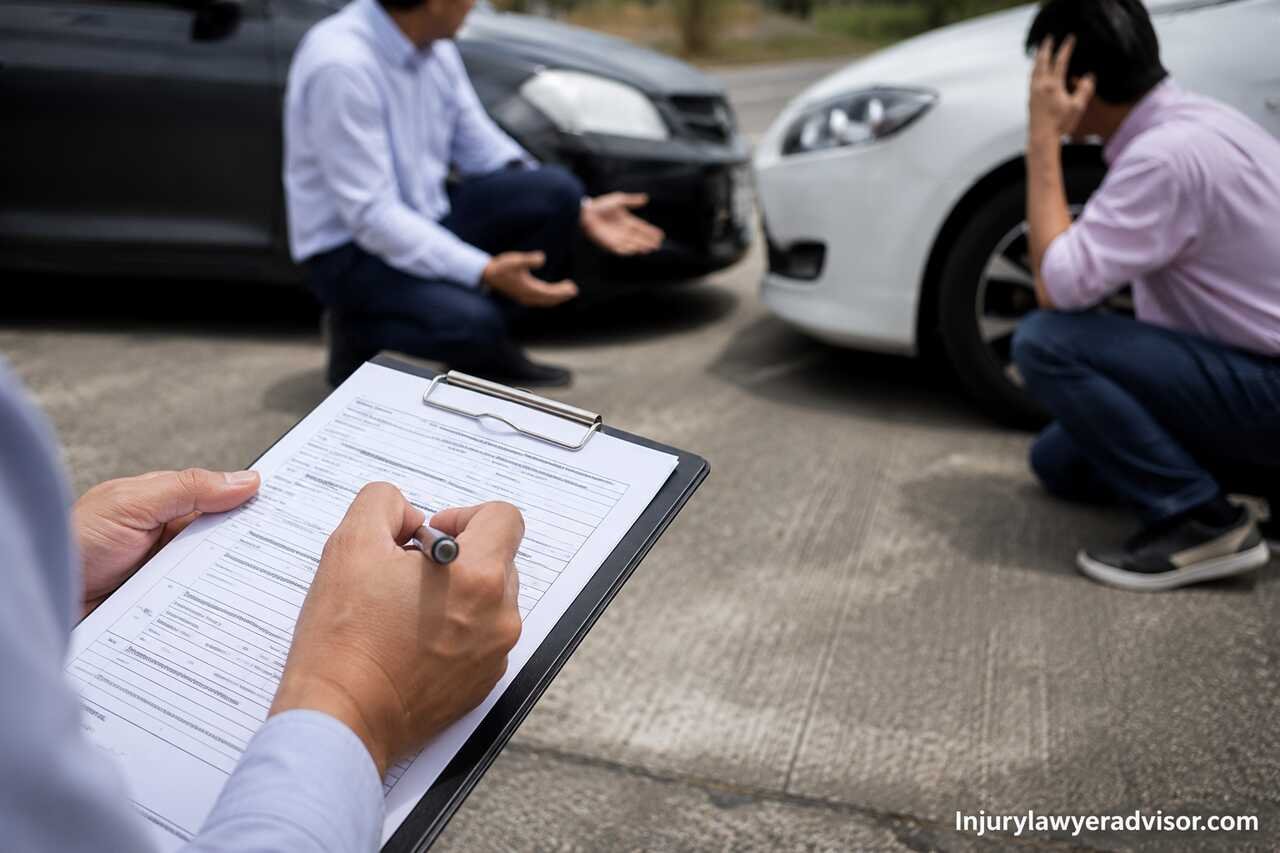
Evidence collection plays a critical role during liability investigations. Police reports, surveillance footage, eyewitness testimony, vehicle damage analysis, black box data, and medical records help establish what happened before and after the collision.
Comparative negligence rules affect compensation outcomes in many jurisdictions. If multiple drivers contributed to an accident, courts may reduce damages according to each party’s percentage of fault. For example, a driver found 20 percent responsible may recover only 80 percent of total damages.
Some states use contributory negligence rules that completely bar compensation if the injured party contributed even slightly to the crash. These stricter systems significantly affect lawsuit strategy and settlement negotiations.
Common accident liability scenarios include:
- Rear-end collisions involving following distance issues
- Intersection crashes involving right-of-way disputes
- Multi-vehicle highway accidents
- Commercial truck collisions
- Motorcycle accidents
- Pedestrian injury cases
- Rideshare vehicle incidents
Vehicle manufacturers, government agencies, and repair shops may also share liability if defective parts, dangerous road conditions, or negligent repairs contributed to the crash.
File Personal Injury Claims After Auto Accidents
Personal injury law allows accident victims to seek compensation for physical, emotional, and financial losses caused by negligent drivers. Injury claims commonly involve medical expenses, rehabilitation costs, lost wages, reduced earning capacity, and pain and suffering damages.
The claims process usually begins with medical treatment and evidence preservation. Victims should document injuries, retain repair estimates, gather witness information, and maintain records related to healthcare expenses and missed employment.
Insurance companies often attempt early settlements before long-term medical consequences become clear. Accepting a premature settlement may prevent victims from recovering additional compensation later. Attorneys frequently advise clients to complete medical evaluations before finalizing settlements.
Serious injury cases may involve:
- Spinal cord injuries
- Traumatic brain injuries
- Broken bones
- Burn injuries
- Internal organ damage
- Permanent disability
- Psychological trauma
Wrongful death lawsuits may arise when collisions result in fatalities. Surviving family members can pursue compensation for funeral expenses, lost income support, emotional suffering, and loss of companionship.
Statutes of limitation establish filing deadlines for injury lawsuits. Missing these deadlines can permanently eliminate the right to recover damages. Time limits differ by jurisdiction and claim type.
Respond Properly to Traffic Tickets and Citations
Traffic citations create legal and financial consequences that can affect driving privileges, insurance rates, and employment opportunities. Drivers who receive tickets generally have several options, including paying the fine, attending traffic school, or contesting the citation in court.
Paying a ticket often functions as an admission of guilt. The violation may appear on the driver’s record and increase insurance premiums. Some jurisdictions allow first-time offenders to complete defensive driving courses that reduce points or dismiss citations.
Contesting a citation requires court appearances and evidence presentation. Drivers may challenge radar accuracy, officer observations, signage visibility, or procedural errors during the stop. Judges evaluate testimony and evidence before determining liability.
Commercial drivers face heightened consequences because traffic violations can affect professional licensing and employment eligibility. Repeated offenses may trigger federal safety penalties for trucking companies and fleet operators.
Common traffic offenses include:
| Violation | Potential Consequences | Long-Term Impact |
| Speeding | Fine, points | Higher insurance rates |
| Reckless Driving | Criminal charge, suspension | Permanent record impact |
| Driving Without Insurance | Fines, impoundment | License suspension |
| Running Red Lights | Points, fines | Increased premiums |
| Distracted Driving | Penalties, court costs | Repeat offender sanctions |
Ignoring citations can result in warrants, suspended licenses, additional fines, and collection actions.
Handle DUI and Reckless Driving Charges
Driving under the influence laws prohibit operating vehicles while impaired by alcohol, drugs, or controlled substances. DUI offenses represent one of the most heavily enforced areas of auto law because impaired driving causes substantial injuries and fatalities.
Law enforcement officers use field sobriety tests, breath analyzers, blood testing, and chemical screening procedures to evaluate impairment. Most jurisdictions establish legal blood alcohol concentration limits of 0.08 percent for adult drivers, although commercial drivers and minors often face stricter standards.
DUI penalties vary according to prior convictions, injury severity, and intoxication levels. First-time offenders may receive fines, probation, license suspension, mandatory education classes, and ignition interlock device requirements. Repeat offenders often face jail time and felony charges.
Reckless driving laws punish conduct that demonstrates willful disregard for public safety. Excessive speeding, aggressive weaving, street racing, and fleeing law enforcement may all qualify as reckless driving offenses.
DUI and reckless driving convictions can create lasting consequences:
- Criminal records
- Increased insurance costs
- Employment difficulties
- Professional license restrictions
- Travel limitations
- Vehicle forfeiture risks
- Mandatory rehabilitation programs
Defense strategies may challenge traffic stops, testing procedures, machine calibration, constitutional violations, or insufficient evidence.
Resolve Vehicle Defect and Lemon Law Disputes
Consumer vehicle protection laws help buyers resolve problems involving defective vehicles, fraudulent dealerships, and manufacturer misconduct. Lemon laws specifically protect consumers who purchase vehicles with substantial recurring defects.
A vehicle may qualify as a lemon if manufacturers cannot repair major problems after multiple attempts within a defined warranty period. Common qualifying defects include transmission failures, engine problems, electrical malfunctions, brake defects, and steering issues.
Manufacturers typically receive opportunities to repair defects before consumers qualify for refunds or replacements. Documentation becomes essential because buyers must prove repeated repair attempts and ongoing vehicle problems.
Lemon law remedies may include:
- Full purchase refunds
- Replacement vehicles
- Reimbursement for repair expenses
- Attorney fee recovery
- Additional statutory damages
Auto fraud cases involve odometer tampering, hidden collision damage, false advertising, title washing, and deceptive financing practices. Federal and state consumer protection agencies investigate these violations and may impose penalties against dealerships or manufacturers.
Product liability law also applies when defective vehicle components cause accidents or injuries. Airbag failures, tire blowouts, brake defects, ignition switch malfunctions, and autonomous driving software errors may trigger manufacturer liability lawsuits.
Protect Legal Rights During Police Traffic Stops
Traffic stops involve constitutional protections related to searches, questioning, and detention procedures. Drivers must comply with lawful orders while also understanding their legal rights.
Police officers generally require reasonable suspicion to initiate traffic stops. Common justifications include speeding, equipment violations, expired registration, or suspected impairment. During stops, officers may request licenses, registration documents, and proof of insurance.
Drivers usually have the right to remain silent regarding incriminating questions. However, refusing to provide required identification documents may result in additional penalties. Search procedures depend on consent, probable cause, warrant exceptions, and visible evidence.
Dash cameras and body camera systems increasingly influence traffic stop disputes because recorded footage provides objective evidence regarding officer conduct and driver behavior.
Important legal considerations during traffic stops include:
- Remaining calm and cooperative
- Avoiding sudden movements
- Requesting clarification when necessary
- Declining consent to searches when appropriate
- Documenting interactions after release
- Contacting legal counsel when serious charges arise
Improper police conduct may create grounds for evidence suppression or civil rights claims in certain cases.
Understand Commercial Vehicle and Trucking Regulations
Commercial transportation law imposes additional responsibilities on trucking companies, bus operators, delivery fleets, and commercial drivers. Federal transportation agencies regulate interstate commerce, driver qualifications, vehicle maintenance, and cargo safety.
Commercial drivers must obtain specialized licenses, complete medical examinations, and comply with hours-of-service limitations designed to reduce fatigue-related accidents. Electronic logging devices now monitor driving time and mandatory rest periods.
Trucking accidents often involve severe injuries because commercial vehicles are significantly larger and heavier than passenger cars. Liability investigations may examine driver training records, maintenance logs, cargo loading procedures, and company safety policies.
Several parties may share responsibility after commercial vehicle accidents:
- Truck drivers
- Transportation companies
- Cargo loading contractors
- Vehicle manufacturers
- Maintenance providers
- Third-party logistics companies
Commercial insurance policies typically carry higher coverage limits because trucking accidents create extensive financial exposure.
Hazardous material transportation involves additional federal safety standards related to labeling, containment, emergency response procedures, and route restrictions.
Navigate Rideshare and Autonomous Vehicle Laws
Transportation technology has transformed modern auto law. Rideshare services, delivery platforms, and autonomous vehicle systems introduced new legal questions involving liability, insurance coverage, and driver classification.
Rideshare companies generally provide layered insurance coverage depending on whether drivers are waiting for ride requests, traveling to pickups, or transporting passengers. Coverage disputes may arise when personal insurance policies exclude commercial activity.
Passenger injury claims involving rideshare vehicles can involve multiple insurance carriers and contractual limitations. Courts often evaluate app activity data, GPS records, and driver status at the time of the collision.
Autonomous vehicle regulation continues evolving as manufacturers expand self-driving technology. Legislatures and courts now address issues involving software liability, sensor malfunction, cybersecurity risks, and human driver oversight responsibilities.
Important legal issues connected to emerging transportation technology include:
| Technology Area | Main Legal Concern | Regulatory Focus |
| Rideshare Services | Insurance responsibility | Driver classification |
| Autonomous Vehicles | Software liability | Safety testing standards |
| Electric Vehicles | Battery safety | Charging infrastructure |
| Delivery Apps | Commercial operation rules | Contractor obligations |
| Connected Vehicles | Data privacy | Cybersecurity compliance |
As transportation systems become increasingly digital, lawmakers continue adapting legal standards to address privacy concerns, accident liability, and technological accountability.
Work With Auto Law Attorneys and Legal Professionals
Auto law attorneys represent drivers, accident victims, insurance companies, manufacturers, and transportation businesses during disputes and litigation. Legal representation becomes particularly valuable when cases involve serious injuries, disputed liability, criminal charges, or complex insurance issues.
Personal injury attorneys typically work on contingency fees, meaning they receive payment only if clients recover compensation. Defense attorneys represent drivers charged with DUI offenses, reckless driving, or vehicular crimes.
Insurance defense lawyers protect insurers during litigation involving coverage disputes and bad faith allegations. Corporate counsel assist transportation companies with compliance obligations, safety programs, and regulatory investigations.
When selecting an attorney, clients often evaluate:
- Experience with similar cases
- Trial history
- Settlement outcomes
- Licensing and disciplinary records
- Communication practices
- Fee structures
- Professional reputation
Early legal consultation can preserve evidence, prevent procedural mistakes, and improve negotiation strategies.
Prepare for Court Proceedings and Settlement Negotiations
Many auto law disputes resolve through settlement negotiations rather than full trials. Insurance companies and attorneys often negotiate compensation agreements after reviewing medical records, repair estimates, liability evidence, and financial damages.
Settlement discussions may occur through informal negotiations, mediation sessions, arbitration proceedings, or structured legal conferences. Mediation involves neutral third parties who help participants reach voluntary agreements.
When settlements fail, cases proceed through litigation stages including:
- Complaint filing
- Discovery and evidence exchange
- Depositions
- Motion hearings
- Expert witness testimony
- Trial proceedings
- Appeals when necessary
Court outcomes depend heavily on evidence quality, witness credibility, legal arguments, and applicable state laws. Jury verdicts can vary significantly depending on injury severity, fault allocation, and emotional impact.
Expert witnesses frequently appear in auto law cases. Accident reconstruction specialists, medical professionals, economists, engineers, and vocational experts may testify regarding liability and damages.
Conclusion
Auto law affects nearly every aspect of vehicle ownership and roadway use. Traffic regulations, insurance requirements, accident liability rules, criminal driving laws, and consumer protection standards all work together to create a structured transportation system. Drivers who understand these legal principles can reduce financial risk, respond effectively after accidents, and protect their rights during disputes.
Vehicle accidents, insurance claims, and traffic violations often involve complicated legal procedures that require accurate documentation and timely action. Whether handling a speeding ticket, pursuing injury compensation, responding to a DUI charge, or resolving a defective vehicle dispute, understanding auto law improves decision-making and legal preparedness.
As transportation technology continues evolving through rideshare services, electric vehicles, and autonomous driving systems, auto law will continue adapting to new safety concerns and liability challenges. Staying informed about changing regulations remains essential for drivers, businesses, insurers, and legal professionals.
FAQ’s
How does auto law differ from traffic law?
Traffic law focuses mainly on roadway rules and driving behavior, while auto law covers a broader range of issues including insurance claims, accident liability, vehicle ownership, consumer protection, and criminal driving offenses.
Can I sue another driver after an accident?
Yes. Injured drivers may file personal injury lawsuits when another party’s negligence caused physical injuries, property damage, lost income, or emotional suffering. Filing requirements depend on state laws and insurance systems.
What happens if I drive without insurance?
Driving without insurance can result in fines, license suspension, vehicle impoundment, increased future insurance costs, and personal financial liability after accidents.
How long do I have to file an auto accident lawsuit?
Every jurisdiction establishes statutes of limitation that determine filing deadlines. These deadlines vary by state and claim type, but many personal injury cases must be filed within two to four years.
What should I do immediately after a car accident?
Drivers should seek medical attention, contact law enforcement, exchange information, document the scene, gather witness details, notify insurance companies, and preserve all evidence connected to the crash.
Do lemon laws apply to used vehicles?
Some states extend lemon law protections to certain used vehicles, especially when dealers provide warranties. Coverage rules differ significantly depending on jurisdiction and vehicle condition.
