

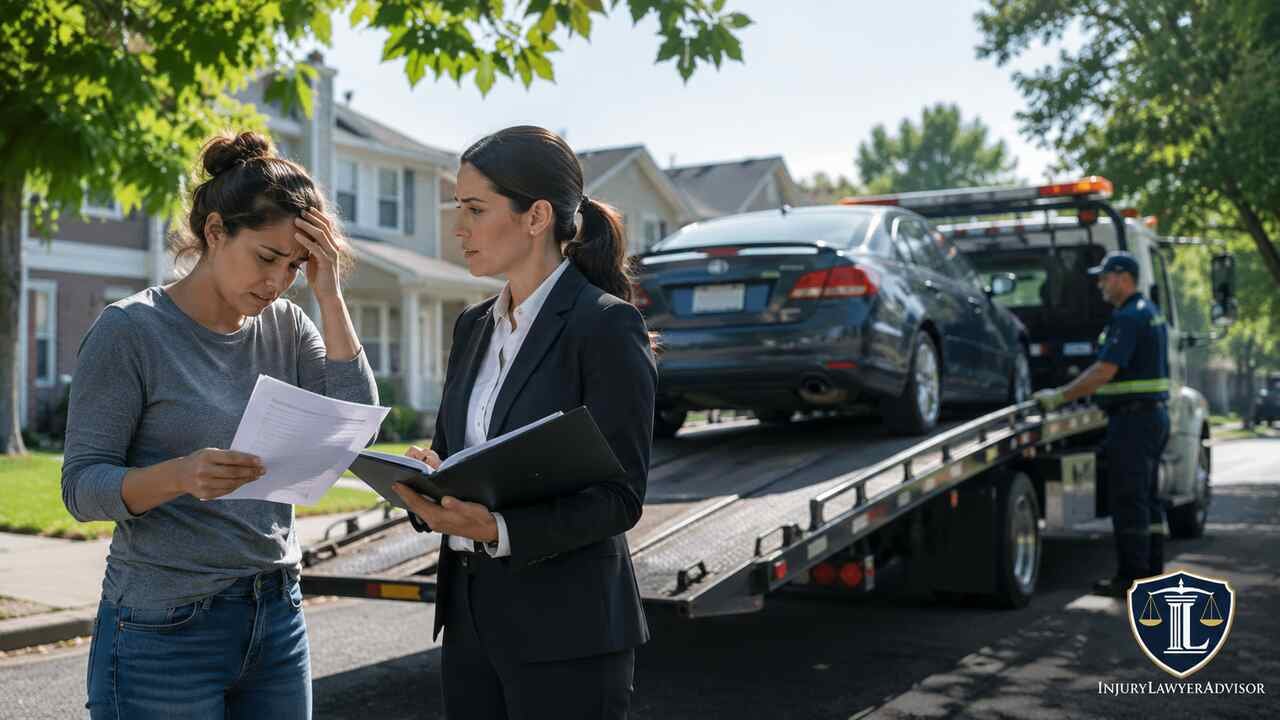
A wrongful repossession lawyer helps borrowers challenge illegal vehicle repossessions and protect their rights when a lender or repossession company violates the law. If a vehicle was taken despite timely payments, improper notice, harassment, or other unlawful actions, an attorney can review the situation, identify possible violations, and explain available legal options. Because repossession laws vary by state, getting legal guidance can help determine whether the repossession was lawful and what steps may be taken.
What Is a Wrongful Repossession?
A wrongful repossession occurs when a lender, creditor, or repossession company takes a vehicle in violation of applicable laws, the loan agreement, or the borrower’s legal rights. Repossession is not automatically illegal simply because a borrower disagrees with it. In many cases, lenders have the right to recover a vehicle after a borrower defaults on a loan.
However, that right has limits. A creditor cannot ignore legal requirements, use unlawful methods, or create unnecessary harm during the repossession process.
Common situations that may involve wrongful repossession include:
| Situation | Why It May Be Wrongful |
| Repossessing a vehicle after payments were current | The lender may have acted without a valid default |
| Taking a vehicle after a payment arrangement was approved | The creditor may have violated an agreement |
| Using threats or physical force during repossession | Many states prohibit breaches of the peace |
| Taking personal property left inside the vehicle | Personal items may require separate handling under state law |
| Selling the vehicle without proper notice | Borrowers often have notice rights before a sale |
| Reporting inaccurate repossession information | Incorrect credit reporting may create additional legal issues |
The details of each situation matter. A borrower who believes a repossession was improper should gather documents and speak with a qualified attorney who understands consumer protection and vehicle repossession laws.
When Should You Contact a Wrongful Repossession Lawyer?
You should consider contacting a wrongful repossession lawyer when there are signs that the lender or repossession company may have violated your rights. Acting quickly is often beneficial because evidence can become harder to obtain over time.
A lawyer may review your loan agreement, payment history, communication records, repossession documents, and any notices you received. They can help determine whether the repossession followed legal procedures or whether you may have grounds for a claim.
Some warning signs include:
The Vehicle Was Repossessed Despite No Default
Most repossessions happen because of missed payments or a breach of the financing agreement. If you were current on payments, had not violated the loan terms, or had an approved payment extension, the repossession may require closer review.
For example, if a borrower made a payment on time but the lender’s records were incorrect and the vehicle was still taken, the issue may involve improper account handling rather than a legitimate repossession.
The Repossession Involved Harassment or Threats
Repossession companies generally cannot use intimidation, violence, or illegal tactics to take a vehicle. Laws regarding what constitutes a breach of peace differ by state, but aggressive conduct may create legal problems.
Examples may include:
- Threatening the borrower or family members
- Entering restricted areas without permission
- Damaging property while taking the vehicle
- Using deceptive statements to gain access
A lawyer can evaluate whether the repossession method violated state requirements.
The Lender Failed to Provide Required Notices
Many states require lenders to send certain notices before selling a repossessed vehicle. These notices may explain the borrower’s rights, redemption options, and details about the planned sale.
Missing or improper notices can affect whether the lender followed the correct process. The exact requirements depend on state law and the terms of the financing agreement.
How a Wrongful Repossession Lawyer Evaluates Your Case

A repossession attorney usually begins by reviewing the facts surrounding the vehicle seizure. The goal is to determine whether the lender had the legal authority to repossess the vehicle and whether that authority was exercised properly.
Important factors often include:
Loan Agreement and Default Status
The attorney will examine the financing contract to understand:
- When payments were due
- What actions count as default
- Whether the lender followed contractual procedures
- Whether any modifications or payment arrangements existed
A borrower may believe a repossession was wrongful, but the legal outcome often depends on the exact terms of the agreement and applicable state law.
Payment Records and Communication History
Documents are often critical in repossession disputes. Useful evidence may include:
- Bank statements
- Payment receipts
- Emails and text messages with the lender
- Letters from the creditor
- Account statements
- Repossession notices
A timeline showing when payments were made and when the repossession occurred can help establish whether mistakes or violations occurred.
Actions Taken by the Repossession Company
Repossession companies often work as contractors for lenders. Their conduct may be reviewed separately from the lender’s decisions.
An attorney may investigate:
- How the vehicle was located
- Whether property was damaged
- Whether personal belongings were removed
- Whether threats or improper conduct occurred
- Whether required procedures were followed
Common Legal Claims Involving Wrongful Vehicle Repossession
The specific claims available depend on state law, but wrongful repossession cases may involve several legal theories.
Breach of Contract
A financing agreement is a contract between the borrower and lender. If a lender violates the agreement’s terms, the borrower may have a contract-based claim.
For example, if the lender agreed to a payment arrangement and repossessed the vehicle before that arrangement expired, the borrower may argue that the lender failed to honor the agreement.
Violations of Consumer Protection Laws
Many states have consumer protection laws designed to prevent unfair or deceptive business practices. These laws may apply when lenders or repossession companies engage in improper conduct.
The available remedies vary and may include compensation for damages, legal costs, or other relief depending on the circumstances.
Improper Collection Practices
Vehicle loans are forms of consumer credit. Certain collection activities may be restricted by federal or state laws. A lawyer can determine whether the lender’s actions crossed legal boundaries.
Wrongful Sale of a Repossessed Vehicle
After repossession, lenders may sell vehicles according to legal requirements. If a creditor fails to provide required notices or conducts the sale improperly, the borrower may have additional rights.
The borrower’s options may depend on whether the vehicle has already been sold, how much money was received from the sale, and whether the lender followed required procedures.
What Compensation Can You Recover After Wrongful Repossession?
The damages available in a wrongful repossession case depend on the facts and the laws where the case is filed. A successful claim may result in compensation for certain losses.
Possible damages may include:
| Type of Loss | Example |
| Financial losses | Costs caused by losing access to transportation |
| Property-related losses | Damage caused during repossession |
| Personal property losses | Loss or mishandling of belongings inside the vehicle |
| Credit-related harm | Damage caused by inaccurate reporting |
| Additional legal damages | Amounts allowed under specific laws |
Not every wrongful repossession claim results in the same type or amount of recovery. A lawyer can evaluate what damages may apply based on the evidence available.
Steps to Take If Your Vehicle Was Wrongfully Repossessed
Taking organized steps after a repossession can improve your ability to protect your rights.
Collect All Relevant Documents
Keep copies of:
- Your vehicle loan agreement
- Payment records
- Insurance information
- Repossession notices
- Letters from the lender
- Messages or recordings related to the repossession
Avoid relying only on phone conversations. Written records are easier to review and verify.
Request Information From the Lender
Ask the lender for details about:
- The reason for repossession
- The amount claimed to be owed
- The date and method of repossession
- Information about any planned sale
Reviewing this information may reveal errors or inconsistencies.
Avoid Making Statements That Could Harm Your Claim
When communicating with the lender or repossession company, remain factual. Avoid making accusations or signing documents you do not understand without legal advice.
Speak With a Qualified Attorney
A wrongful repossession lawyer can assess whether your situation involves a legal violation and explain possible options. Many consumer attorneys offer consultations where they review the basic facts before recommending next steps.
How to Choose the Right Wrongful Repossession Lawyer
Not every attorney handles vehicle repossession disputes. Look for a lawyer with experience in areas such as:
- Consumer protection law
- Auto finance disputes
- Contract disputes
- Credit reporting issues
- Debt collection practices
During an initial consultation, consider asking:
- Have you handled wrongful repossession cases before?
- What laws may apply to my situation?
- What evidence would strengthen my claim?
- What costs should I expect?
- What outcomes are realistic?
The right attorney should explain both the strengths and limitations of your case rather than promise a guaranteed result.
Mistakes to Avoid After a Repossession Dispute
Borrowers sometimes make decisions that weaken their position. Common mistakes include:
- Ignoring repossession notices
- Throwing away loan documents
- Accepting a settlement without understanding the terms
- Failing to document conversations
- Waiting too long to seek legal advice
Deadlines may apply to legal claims, and delays can make it more difficult to collect evidence.
Wrongful Repossession vs. Legal Repossession: Understanding the Difference

A borrower may feel that a repossession was unfair, but the legal question is whether the lender followed the required process.
| Legal Repossession | Possible Wrongful Repossession |
| Borrower defaulted under the agreement | Vehicle taken without valid default |
| Lender followed required procedures | Required notices were ignored |
| No unlawful conduct occurred | Threats, harassment, or property damage occurred |
| Sale procedures followed applicable rules | Vehicle sold without required compliance |
This distinction is important because lenders generally have repossession rights after default, but those rights must be exercised within legal boundaries.
FAQ’s
Can I sue a lender for wrongful repossession?
Yes, a borrower may have the right to pursue legal action if a lender or repossession company violated applicable laws or contractual obligations. The availability of a lawsuit depends on the facts and the laws in the relevant state.
Can a car be repossessed if I made a recent payment?
A recent payment does not always prevent repossession. The answer depends on whether the account was actually current, whether the payment was accepted, and what the loan agreement requires.
What evidence helps prove wrongful repossession?
Important evidence may include payment records, loan documents, notices, communication records, photographs, witness statements, and details about how the repossession occurred.
Can I get my car back after an illegal repossession?
Possibly. The available remedies depend on state law, whether the vehicle has been sold, and the circumstances of the repossession. A lawyer can explain what options may be available.
How much does a wrongful repossession lawyer cost?
Costs vary depending on the attorney, location, and complexity of the case. Some consumer attorneys may offer free consultations or work under different fee arrangements, depending on the situation.
Conclusion
A wrongful repossession lawyer can help determine whether a vehicle seizure violated your rights and what legal options may be available. Although lenders often have the right to repossess vehicles after default, they must follow required procedures and cannot use unlawful methods.
If you believe your vehicle was taken improperly, preserve your records, document what happened, and seek advice from an attorney familiar with repossession and consumer protection issues. A careful review of the facts can help you understand whether you have a valid claim and what steps to take next.
