

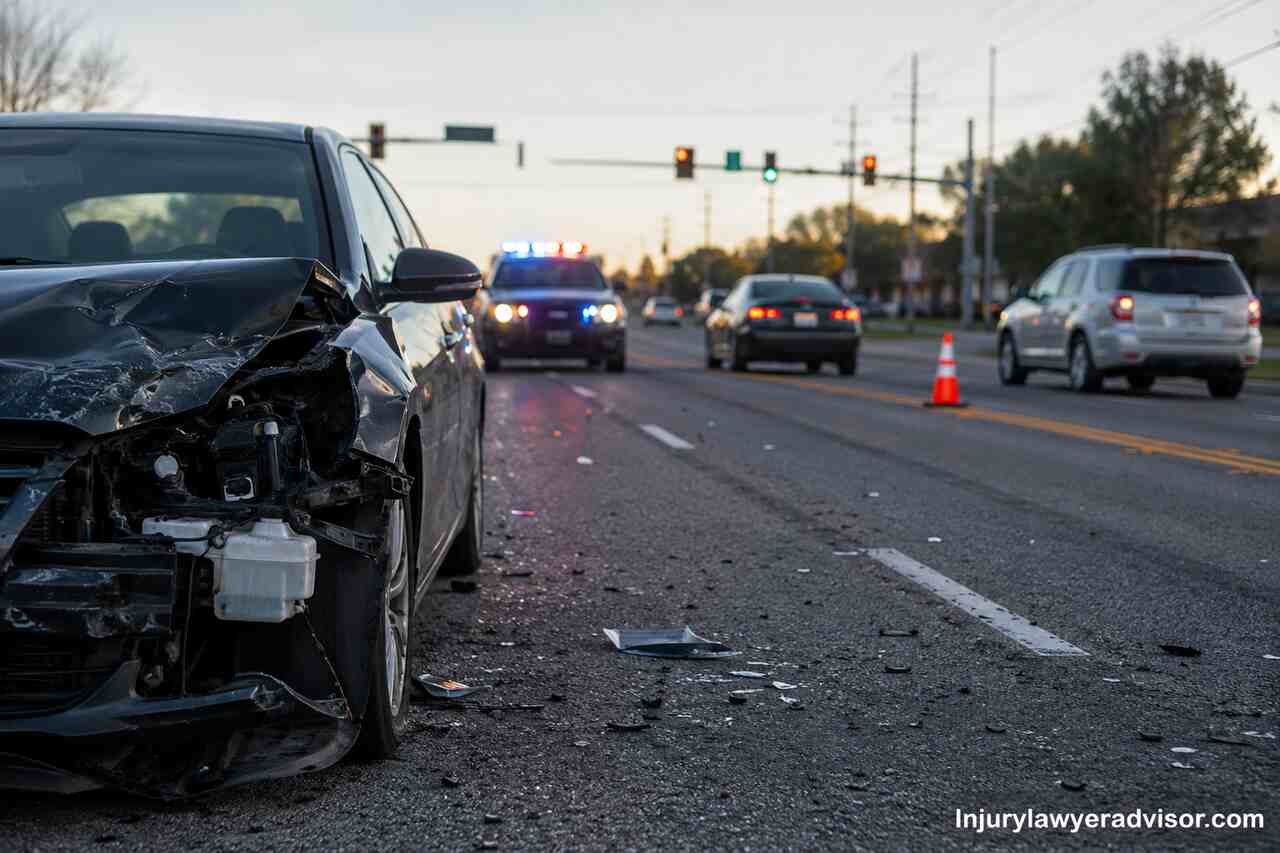
Car accidents affect millions of drivers every year and create financial, legal, and medical consequences that can last for years. Road collisions occur because of human behavior, vehicle conditions, weather patterns, traffic density, and infrastructure problems. A single mistake behind the wheel can lead to severe injuries, insurance claims, vehicle damage, or fatalities. Understanding the common causes of car accidents helps drivers recognize dangerous situations early and make safer decisions on the road.
Traffic safety experts, insurance providers, law enforcement agencies, and transportation departments consistently identify recurring factors that increase collision risks. Distracted driving, speeding, impaired driving, fatigue, poor weather conditions, and mechanical failures remain among the leading contributors to crashes worldwide. Modern vehicles include advanced safety systems such as automatic emergency braking, lane departure warnings, and adaptive cruise control, yet driver behavior continues to play the most important role in road safety.
This guide explains the most common causes of car accidents, the conditions that increase crash probability, and the preventive measures drivers can take to reduce risks. Each section focuses on actionable steps that help motorists improve awareness, maintain vehicle safety, and respond effectively to road hazards.
Recognize Distracted Driving Behaviors Before They Cause Collisions
Distracted driving remains one of the most dangerous causes of road accidents because it reduces reaction time and limits driver awareness. Mobile phone usage, texting, eating, adjusting navigation systems, and interacting with passengers divert attention from traffic conditions. Even a few seconds of distraction can prevent a driver from noticing sudden braking, lane changes, or pedestrians crossing the road.
Visual distractions remove the driver’s eyes from the roadway, while manual distractions take hands away from the steering wheel. Cognitive distractions affect concentration and decision-making ability. These forms of distraction often overlap. For example, texting while driving combines visual, manual, and cognitive distractions simultaneously, making it especially hazardous.
Drivers can reduce distraction-related accidents by activating hands-free features, setting navigation routes before driving, and limiting unnecessary multitasking inside the vehicle. Parents should also educate teenage drivers about smartphone risks because younger motorists face higher distraction-related crash rates. Employers managing fleet vehicles can implement phone restriction policies to reduce workplace driving incidents.
| Distracted Driving Activity | Risk Level | Primary Danger |
| Texting while driving | Very High | Delayed reaction time |
| Eating or drinking | Moderate | Reduced steering control |
| Adjusting GPS systems | High | Eyes off the road |
| Talking to passengers | Moderate | Reduced concentration |
| Using social media | Very High | Complete attention diversion |
Distraction becomes even more dangerous in heavy traffic, construction zones, and intersections where sudden decisions are necessary. Drivers should maintain scanning habits by checking mirrors frequently, monitoring traffic flow, and anticipating potential hazards ahead.
Control Vehicle Speed to Prevent High-Impact Accidents

Speeding contributes significantly to fatal and severe injury crashes because higher speeds reduce braking efficiency and increase collision force. Drivers exceeding posted speed limits often underestimate stopping distances and overestimate vehicle handling capabilities. Excessive speed also reduces the ability to react safely to unexpected obstacles such as stalled vehicles, road debris, or pedestrians.
Urban streets, highways, rural roads, and residential neighborhoods all present different speed-related dangers. In residential areas, speeding increases the risk of striking cyclists and children. On highways, high-speed lane changes and tailgating create chain-reaction collisions involving multiple vehicles.
Weather conditions further amplify speeding risks. Wet roads, snow, fog, and black ice decrease tire traction and make braking less effective. Drivers who maintain normal highway speeds during adverse weather conditions often lose vehicle control or hydroplane.
Safe driving practices include maintaining appropriate following distances, obeying posted speed limits, and reducing speed during rain or low visibility. Defensive drivers also adjust speed based on traffic density rather than relying solely on legal limits.
| Road Condition | Recommended Driver Action |
| Heavy rain | Reduce speed gradually |
| Fog or low visibility | Increase following distance |
| Snow-covered roads | Brake gently and avoid sudden turns |
| Congested highways | Maintain steady spacing |
| School zones | Follow reduced speed requirements |
Advanced driver assistance systems help monitor speed and traffic conditions, but they cannot replace responsible driving habits. Drivers should remain alert and avoid aggressive acceleration, especially near intersections and merging lanes.
Avoid Driving Under the Influence of Alcohol or Drugs
Impaired driving continues to cause thousands of fatal crashes every year. Alcohol, illegal substances, prescription medications, and recreational drugs affect judgment, coordination, reaction time, and visual perception. Even small amounts of alcohol can reduce the ability to process traffic signals and react to sudden hazards.
Alcohol-related accidents often occur at night, during weekends, and near entertainment districts where impaired drivers are more common. Drug impairment presents additional risks because certain substances cause drowsiness, hallucinations, delayed reactions, or overconfidence behind the wheel.
Prescription medications can also impair driving ability. Sedatives, sleep aids, painkillers, and some allergy medications may reduce alertness or coordination. Drivers should review medication warnings and consult healthcare providers regarding safe vehicle operation.
Preventing impaired driving accidents requires proactive planning. Drivers should arrange designated transportation, use ride-sharing services, or stay overnight when consuming alcohol. Friends and family members can also play an important role by discouraging impaired individuals from driving.
Law enforcement agencies use sobriety checkpoints, breathalyzer testing, and roadside monitoring to reduce impaired driving incidents. Insurance companies frequently increase premiums or deny favorable rates after DUI-related accidents, creating long-term financial consequences beyond legal penalties.
Maintain Safe Following Distances in Heavy Traffic
Tailgating is a common factor in rear-end collisions because drivers leave insufficient space to stop safely. Heavy traffic conditions, sudden braking, and distracted driving make close following distances especially dangerous. When vehicles travel too closely together, even minor speed changes can trigger chain-reaction accidents.
The three-second rule helps drivers maintain adequate spacing under normal conditions. During rain, fog, or nighttime driving, experts recommend increasing the distance further. Commercial trucks and larger vehicles require even greater stopping distances because of their weight and momentum.
Aggressive driving behaviors often accompany tailgating. Drivers who weave through traffic, brake suddenly, or pressure slower vehicles increase roadway tension and accident probability. Road rage incidents may escalate into dangerous confrontations that compromise safety for everyone nearby.
Drivers can improve traffic safety by remaining patient, avoiding unnecessary lane changes, and anticipating traffic slowdowns ahead. Maintaining smooth acceleration and braking patterns also helps reduce congestion-related crashes.
Modern vehicles equipped with adaptive cruise control can automatically maintain safer following distances, but drivers must continue monitoring surrounding traffic conditions and remain ready to intervene when necessary.
Inspect Tires and Brakes to Reduce Mechanical Failures
Vehicle maintenance plays a critical role in accident prevention because mechanical failures can occur unexpectedly and reduce driver control. Worn tires, faulty brakes, steering problems, and suspension defects contribute to many preventable crashes each year.
Tires with insufficient tread depth increase hydroplaning risks during rain and reduce traction during emergency maneuvers. Uneven tire pressure affects handling stability and braking efficiency. Brake systems require regular inspection because worn brake pads or leaking hydraulic components reduce stopping power.
Drivers should perform routine inspections that include checking fluid levels, tire pressure, battery condition, lights, windshield wipers, and brake responsiveness. Seasonal maintenance becomes especially important before winter travel or long-distance road trips.
| Vehicle Component | Inspection Purpose | Potential Accident Risk |
| Tires | Maintain traction | Skidding or blowouts |
| Brakes | Ensure stopping power | Rear-end collisions |
| Headlights | Improve visibility | Nighttime accidents |
| Windshield wipers | Maintain visibility | Reduced reaction time |
| Steering system | Preserve vehicle control | Loss of directional control |
Ignoring warning lights or unusual vehicle noises often allows small mechanical problems to become major safety hazards. Professional inspections and scheduled maintenance help identify issues before they cause breakdowns or accidents.
Respond Properly to Poor Weather and Road Conditions
Weather conditions create challenging driving environments that increase accident frequency and severity. Rain, snow, ice, fog, and strong winds reduce visibility, traction, and steering control. Drivers who fail to adjust their behavior during adverse weather conditions face higher collision risks.
Wet pavement decreases tire grip and increases stopping distances. Hydroplaning occurs when tires lose contact with the roadway because of standing water. Snow and ice create slippery surfaces that make sudden braking or sharp turns dangerous. Fog limits visibility and makes it difficult to judge distances accurately.
Defensive driving techniques become essential during severe weather. Drivers should reduce speed gradually, use headlights appropriately, and avoid abrupt steering movements. Emergency kits containing flashlights, blankets, first-aid supplies, and battery chargers improve preparedness during winter storms or roadside emergencies.
Road infrastructure also influences accident rates. Potholes, poorly marked lanes, inadequate lighting, and construction zones increase hazards for motorists. Transportation departments often identify high-risk intersections where accident frequency remains elevated because of traffic design issues.
Drivers who monitor weather forecasts before traveling can avoid dangerous conditions or select safer routes. Long-distance travelers should also plan rest stops and fuel availability when driving through remote or storm-prone regions.
Stay Alert to Driver Fatigue During Long Trips
Fatigued driving produces effects similar to alcohol impairment because exhaustion slows reaction time and reduces concentration. Drivers experiencing drowsiness may drift between lanes, miss traffic signals, or fall asleep briefly behind the wheel.
Long-distance travel, overnight driving, shift work, and insufficient sleep contribute significantly to fatigue-related accidents. Commercial truck drivers, rideshare operators, and commuters working extended hours often face increased risks due to prolonged driving periods.
Warning signs of fatigue include frequent yawning, heavy eyelids, delayed reactions, and difficulty remembering recent driving segments. Drivers should never ignore these symptoms because microsleep episodes lasting only a few seconds can lead to catastrophic collisions.
Preventing fatigue-related accidents requires adequate rest, hydration, and scheduled breaks during long trips. Sharing driving responsibilities with another licensed driver can reduce exhaustion during extended travel. Caffeine may provide temporary alertness, but it does not replace proper sleep.
Technology such as lane departure alerts and driver monitoring systems can assist fatigued drivers, but these systems cannot fully compensate for impaired human judgment. Rest remains the most effective safety measure.
Follow Traffic Signals and Intersection Safety Rules
Intersections remain among the most dangerous locations for vehicle accidents because multiple traffic flows converge simultaneously. Drivers who ignore traffic lights, fail to yield, or make unsafe turns increase the likelihood of side-impact collisions and pedestrian injuries.
Running red lights often results in high-speed crashes because cross traffic enters intersections with the expectation of right-of-way protection. Left-turn accidents frequently occur when drivers misjudge oncoming traffic speed or visibility conditions.
Pedestrians, cyclists, motorcyclists, and public transportation vehicles create additional complexity at intersections. Drivers should scan crosswalks carefully, obey traffic signals consistently, and avoid rushing through yellow lights.
Roundabouts, four-way stops, and multilane intersections each require different navigation strategies. Understanding local traffic laws and roadway markings helps reduce confusion and improve safety.
Municipal transportation agencies often install traffic cameras, pedestrian signals, and improved signage at high-risk intersections to reduce accident rates. Drivers who remain attentive and patient contribute significantly to safer traffic flow.
Manage Aggressive Driving and Road Rage Safely
Aggressive driving behaviors increase accident risks by creating unpredictable traffic situations. Tailgating, rapid lane changes, excessive horn use, intentional blocking, and verbal confrontations often escalate tensions between drivers.
Road rage incidents may involve deliberate intimidation or reckless maneuvers that endanger surrounding motorists. Emotional reactions behind the wheel reduce rational decision-making and increase the likelihood of collisions.
Stress, traffic congestion, time pressure, and personal frustration commonly trigger aggressive driving. Drivers who recognize emotional escalation early can reduce risks by remaining calm, avoiding confrontation, and allowing aggressive motorists to pass safely.
Law enforcement agencies treat severe road rage incidents seriously because they may lead to assault charges, reckless driving citations, or criminal prosecution. Insurance companies also consider aggressive driving history when calculating premiums.
Creating safer driving habits involves planning routes in advance, leaving earlier for appointments, and practicing patience during traffic delays. Calm driving behavior supports safer roads for all vehicle operators.
Use Defensive Driving Techniques to Anticipate Hazards
Defensive driving focuses on anticipating risks before accidents occur. Drivers who monitor surrounding traffic continuously can identify unsafe behaviors early and respond proactively. This approach improves reaction time and reduces collision severity.
Defensive drivers maintain safe following distances, avoid blind spots, and remain aware of escape routes during emergencies. They anticipate sudden braking, monitor pedestrian activity, and adjust positioning near large commercial vehicles.
Motorcycles, bicycles, and pedestrians require additional caution because they are less visible and more vulnerable during collisions. Drivers should check mirrors frequently and use turn signals consistently before changing lanes or turning.
Vehicle technology continues evolving with safety features such as blind-spot monitoring, collision warnings, and automatic braking systems. While these tools enhance awareness, driver attentiveness remains essential for accident prevention.
Defensive driving courses provide valuable training for new drivers, fleet operators, and individuals seeking insurance discounts. Many programs teach hazard recognition, emergency response techniques, and safe maneuvering strategies under difficult conditions.
Conclusion
Car accidents occur because of multiple interconnected factors that include distracted driving, speeding, impaired driving, fatigue, aggressive behavior, poor weather, and mechanical failures. Human decision-making remains the most influential element in roadway safety, even as vehicle technology becomes more advanced.
Drivers who maintain safe speeds, stay alert, inspect their vehicles regularly, and practice defensive driving techniques significantly reduce their chances of being involved in collisions. Traffic laws, roadway design improvements, and advanced safety systems support accident prevention, but responsible behavior behind the wheel remains the strongest protection against crashes.
Understanding the common causes of car accidents allows drivers to identify risky situations early and make informed decisions that protect passengers, pedestrians, and other motorists. Consistent awareness, patience, and preparation contribute to safer roads and fewer preventable injuries.
FAQ’s
Which driver behavior causes the most car accidents?
Distracted driving is one of the leading causes of accidents because it reduces awareness, delays reactions, and increases the likelihood of missing hazards or traffic changes.
How does speeding increase accident severity?
Higher speeds increase stopping distance and collision force. Drivers traveling too fast have less time to react and experience greater impact during crashes.
Can poor vehicle maintenance lead to accidents?
Yes. Worn tires, faulty brakes, broken lights, and steering problems reduce vehicle control and increase the risk of mechanical failure while driving.
Why are intersections dangerous for drivers?
Intersections involve multiple traffic directions, pedestrian crossings, and turning vehicles. Failure to yield or obey signals often causes side-impact collisions.
How can drivers reduce fatigue during long trips?
Drivers should get adequate sleep, take regular breaks, stay hydrated, and avoid driving during periods of extreme tiredness or overnight exhaustion.
What is defensive driving?
Defensive driving involves anticipating hazards, maintaining safe distances, monitoring surrounding traffic, and reacting calmly to dangerous situations before accidents occur.
