

Introduction
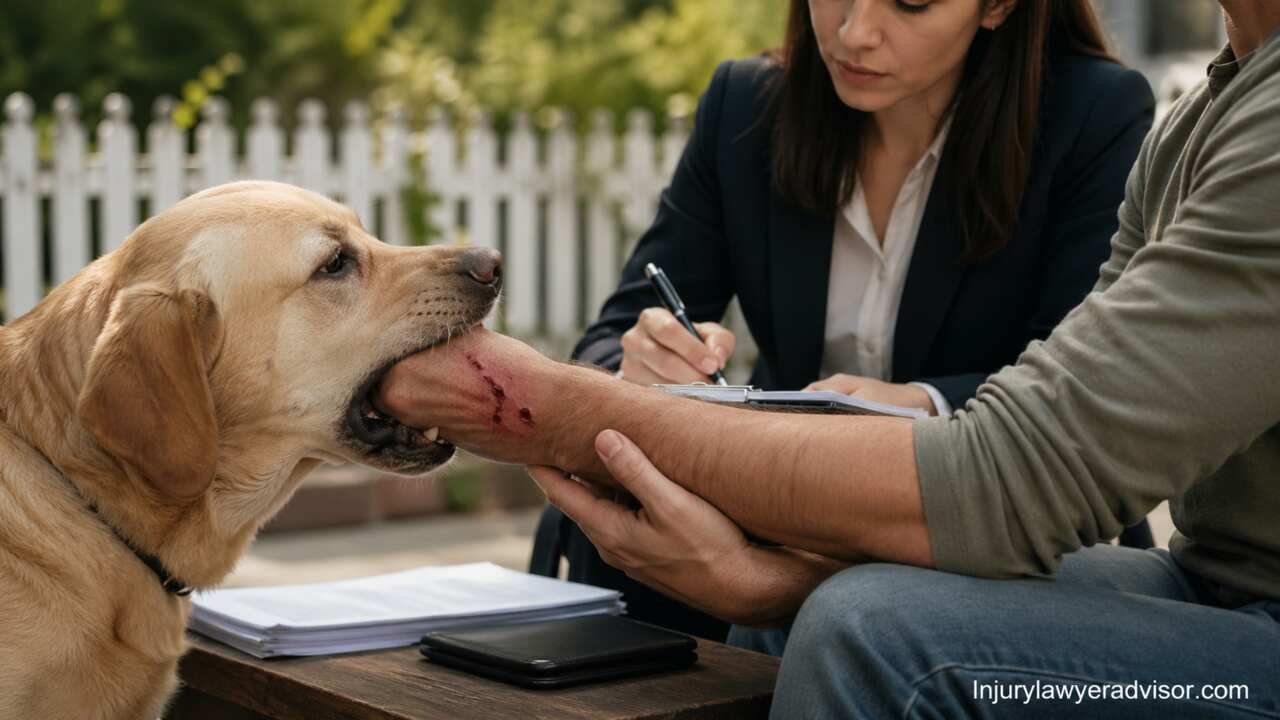
A dog bite injury claim is a legal process that allows victims to recover compensation after being attacked or bitten by a dog. These incidents can lead to physical injuries, emotional trauma, medical expenses, and long-term complications. Understanding how to properly file a claim, gather evidence, and negotiate compensation is essential for achieving a fair outcome. Legal systems such as those governed by American Bar Association and frameworks outlined in the Restatement (Second) of Torts provide guidance on liability and negligence in animal-related injury cases.
This guide walks through every step required to successfully handle a dog bite injury claim, from immediate actions after the incident to final settlement or court resolution.
Seek Immediate Medical Attention After the Dog Bite
The first and most critical step is to seek medical care immediately after the dog bite. Prompt treatment reduces the risk of infection and documents the injury, which becomes essential evidence for your claim.
Medical professionals assess wound severity, administer vaccines such as rabies shots, and provide necessary treatments. Records from hospitals or clinics serve as official proof of injury, linking the incident directly to your damages.
In many jurisdictions, reporting the injury to health authorities is required. Agencies like Centers for Disease Control and Prevention emphasize early treatment to prevent complications, which also strengthens your legal position.
Identify the Dog and Its Owner
Identifying the dog and its owner is essential for establishing liability. Without this information, pursuing compensation becomes significantly more difficult.
You should collect the owner’s name, contact details, and any available information about the dog, including breed and vaccination status. Witness statements can help confirm ownership and the circumstances of the attack.
Local authorities or animal control departments may assist in identifying the owner if they are unknown. Records maintained by municipal agencies often track registered pets, which can support your claim.
Report the Incident to Local Authorities
Filing a report with local authorities creates an official record of the dog bite incident. This documentation supports your claim and may be required by law.
Animal control agencies investigate the incident, determine whether the dog poses a threat, and verify vaccination records. Their reports often include details about prior incidents involving the same animal.
Police reports may also be relevant, especially in severe cases. These reports serve as neutral third-party documentation, which can be valuable during negotiations or litigation.
Document Injuries and Gather Evidence
Strong evidence is the foundation of a successful dog bite injury claim. Proper documentation directly influences the outcome of your case.
Take clear photographs of injuries immediately after the incident and during the healing process. Keep copies of medical records, prescriptions, and treatment plans. Witness statements and video footage can further strengthen your claim.
Maintaining a personal injury journal that tracks pain levels, emotional distress, and recovery progress provides additional support. This type of documentation helps quantify non-economic damages such as suffering and trauma.
Understand Liability Laws in Dog Bite Cases
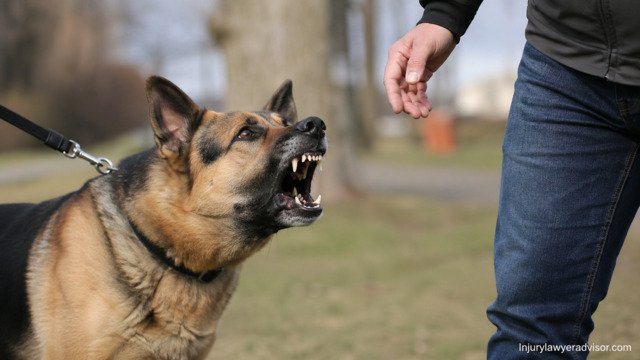
Understanding liability laws is essential for determining who is responsible for your injuries. Different jurisdictions apply different legal standards.
Some regions follow strict liability rules, meaning the dog owner is responsible regardless of the dog’s history. Others rely on negligence-based systems, where the victim must prove that the owner failed to control the animal.
Legal principles often referenced in courts, including those influenced by American Law Institute, define how liability is assigned. Knowing the applicable law in your area helps you build a stronger claim strategy.
Calculate the Value of Your Claim
Determining the value of your dog bite injury claim involves calculating both economic and non-economic damages. This step ensures you pursue fair compensation.
Economic damages include medical expenses, lost wages, rehabilitation costs, and future medical needs. Non-economic damages cover pain, suffering, emotional distress, and reduced quality of life.
Severe cases may involve long-term consequences such as disfigurement or psychological trauma. In such situations, compensation amounts increase significantly to reflect ongoing impact.
Compensation Breakdown Table
| Damage Type | Description | Examples |
| Medical Expenses | Costs of treatment and recovery | Surgery, medication, therapy |
| Lost Wages | Income lost due to inability to work | Missed workdays, reduced capacity |
| Pain and Suffering | Physical and emotional distress | Trauma, anxiety, chronic pain |
| Future Costs | Long-term care and rehabilitation | Plastic surgery, counseling |
Notify the Dog Owner’s Insurance Company
Most dog bite claims are handled through the dog owner’s homeowner’s insurance policy. Notifying the insurer is a critical step in initiating the compensation process.
Provide factual details about the incident without admitting fault or speculating. Insurance companies evaluate claims based on evidence, medical records, and liability factors.
Insurers often attempt to minimize payouts. Understanding their tactics helps you avoid accepting low settlement offers that do not fully cover your damages.
Hire a Personal Injury Lawyer for Legal Support
Hiring an experienced lawyer significantly improves your chances of success. Legal professionals understand the complexities of dog bite laws and negotiation strategies.
A lawyer gathers evidence, communicates with insurance companies, and represents your interests throughout the process. Firms aligned with standards set by organizations like National Trial Lawyers often specialize in personal injury cases.
Legal representation becomes especially important in severe injury cases or when liability is disputed. A skilled attorney ensures your claim is properly valued and defended.
File a Formal Dog Bite Injury Claim
Filing a formal claim involves submitting documentation to the insurance company or initiating legal proceedings in court. This step officially begins the compensation process.
Your claim should include medical records, incident reports, evidence, and a demand letter outlining the compensation sought. Accuracy and completeness are critical for avoiding delays.
If negotiations fail, your lawyer may file a lawsuit in a civil court. Courts guided by frameworks such as United States District Courts handle more complex or high-value cases.
Negotiate a Fair Settlement
Settlement negotiations determine whether your case resolves without going to trial. Most dog bite claims are settled at this stage.
Insurance adjusters evaluate your claim and propose a settlement. Your lawyer negotiates to ensure the offer reflects the full extent of your damages.
Effective negotiation relies on strong evidence, clear documentation, and a well-supported claim value. Rejecting inadequate offers is often necessary to achieve fair compensation.
Prepare for Court Proceedings if Necessary
If a settlement cannot be reached, your case may proceed to court. Litigation involves presenting evidence, examining witnesses, and arguing your case before a judge or jury.
Court proceedings follow structured legal procedures, including discovery, depositions, and trial hearings. Each stage requires thorough preparation and legal expertise.
Although trials can be time-consuming, they may result in higher compensation if the court rules in your favor. This step is typically the final option when negotiations fail.
Understand Time Limits for Filing Claims
Every dog bite injury claim is subject to a statute of limitations, which defines the time limit for filing a lawsuit.
Failing to file within the allowed timeframe can result in losing your right to compensation. Time limits vary by jurisdiction but typically range from one to three years.
Consulting a lawyer early ensures you meet all deadlines and preserve your legal rights. Timely action is crucial for maintaining a valid claim.
Recognize Factors That Affect Claim Outcomes
Several factors influence the outcome of a dog bite injury claim. Understanding these elements helps you build a stronger case.
Severity of injuries, availability of evidence, and clarity of liability all impact compensation. Cases involving permanent damage or disfigurement often result in higher payouts.
The behavior of the victim may also be considered. For example, provocation or trespassing could reduce compensation under comparative fault rules.
Key Outcome Factors Table
| Factor | Impact on Claim Outcome | Explanation |
| Injury Severity | High | More severe injuries increase value |
| Evidence Strength | High | Strong proof supports higher compensation |
| Liability Clarity | High | Clear fault leads to faster resolution |
| Victim Conduct | Medium | Shared fault may reduce compensation |
Address Emotional and Psychological Impact
Dog bite injuries often result in psychological trauma, which should not be overlooked in your claim. Emotional distress is a valid component of compensation.
Victims may experience anxiety, fear of animals, or post-traumatic stress. Professional counseling and therapy help document these effects.
Including psychological damages in your claim ensures a comprehensive evaluation of your suffering. Courts and insurers recognize the importance of mental health in personal injury cases.
Prevent Future Incidents Through Awareness
While pursuing compensation is important, preventing future incidents is equally critical. Awareness and responsible pet ownership reduce the likelihood of dog attacks.
Communities benefit from education programs and enforcement of leash laws. Owners must ensure proper training and control of their pets.
Public safety measures, combined with legal accountability, create safer environments for everyone.
Conclusion
A dog bite injury claim requires careful planning, strong evidence, and a clear understanding of legal procedures. From seeking immediate medical care to negotiating settlements or pursuing litigation, each step plays a vital role in achieving fair compensation. Legal frameworks and professional guidance ensure victims can navigate the process effectively while protecting their rights.
Taking prompt action, documenting every detail, and working with experienced legal professionals significantly improves the chances of success. By following a structured approach, victims can secure the compensation needed for recovery and long-term well-being.
FAQ’s
How long does a dog bite injury claim take?
Most claims take a few months to a year, depending on complexity, severity of injuries, and whether the case goes to court.
Can I file a claim if the dog never bit anyone before?
Yes, many jurisdictions apply strict liability, meaning the owner can still be responsible even if it was the dog’s first incident.
What if the dog owner does not have insurance?
You may still pursue compensation directly from the owner through a personal lawsuit, though recovery may depend on their financial situation.
How much compensation can I receive?
Compensation varies widely based on injury severity, medical costs, and emotional impact. Severe cases can result in substantial payouts.
Do I need a lawyer for a dog bite claim?
While not mandatory, hiring a lawyer greatly increases your chances of receiving fair compensation and navigating legal complexities.
Can children file dog bite injury claims?
Yes, claims can be filed on behalf of minors, typically by a parent or legal guardian, with extended filing deadlines in many regions.
