

Introduction
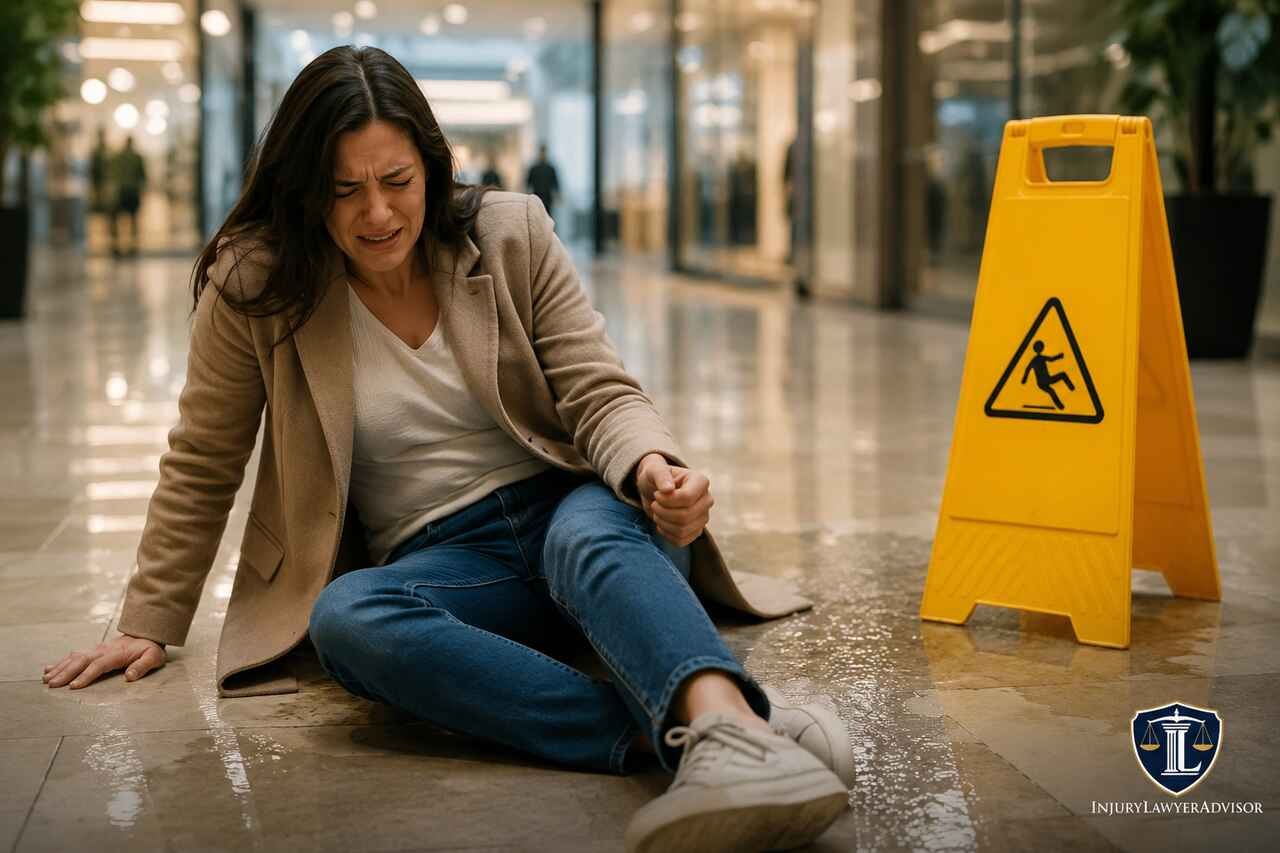
Injuries in public places can occur without warning and affect people of all ages. A simple trip to a shopping center, park, sidewalk, transportation hub, restaurant, office building, or recreational facility can result in serious physical harm when property conditions are unsafe. Wet floors, broken pavement, inadequate lighting, defective handrails, falling objects, and poorly maintained facilities are among the most common factors that contribute to accidents in public environments.
Understanding how to respond after an injury in a public place is essential for protecting health, preserving evidence, and determining whether another party may be responsible for the incident. Public injury cases often involve property owners, business operators, government agencies, maintenance contractors, insurance companies, medical providers, and legal professionals. Each of these parties can play a role in the investigation and resolution of a claim.
This guide explains the key steps involved in recognizing hazards, responding to an accident, gathering evidence, reporting the incident, seeking medical care, evaluating liability, calculating damages, and pursuing compensation when appropriate.
Recognize Common Hazards That Cause Public Place Injuries
Public place injuries frequently result from hazards that could have been prevented through proper maintenance and safety procedures. Recognizing these dangers helps individuals avoid accidents and understand how negligence may contribute to an injury.
Slip and fall accidents remain among the most common incidents. Wet floors, recently cleaned surfaces, leaking roofs, spilled liquids, loose rugs, uneven flooring, and icy walkways create conditions that significantly increase the risk of falls. Retail stores, supermarkets, restaurants, office buildings, and public transportation facilities regularly face these issues.
Trip and fall hazards are equally widespread. Cracked sidewalks, potholes, broken stairs, damaged flooring, exposed cables, and uneven pavement can cause pedestrians to lose balance. Public parks, municipal walkways, parking lots, and commercial properties often become sources of such accidents when maintenance is delayed.
Additional hazards include inadequate lighting, defective elevators, malfunctioning escalators, falling merchandise, unsecured construction materials, broken handrails, unsafe playground equipment, and inadequate security measures. These conditions can lead to severe injuries including fractures, traumatic brain injuries, spinal damage, soft tissue injuries, and psychological trauma.
Common Public Place Hazards
| Hazard Type | Typical Location | Potential Injuries |
| Wet floors | Stores, restaurants, malls | Sprains, fractures, head injuries |
| Uneven pavement | Sidewalks, parking lots | Trips, falls, broken bones |
| Poor lighting | Stairwells, parking garages | Falls, collisions |
| Falling objects | Retail stores, warehouses | Head and neck injuries |
| Defective escalators | Shopping centers, transit stations | Crush injuries, lacerations |
| Broken handrails | Public buildings, staircases | Fall-related injuries |
| Unsafe playground equipment | Parks, schools | Fractures, concussions |
| Inadequate security | Hotels, parking areas | Assault-related injuries |
Secure Immediate Medical Attention After the Incident
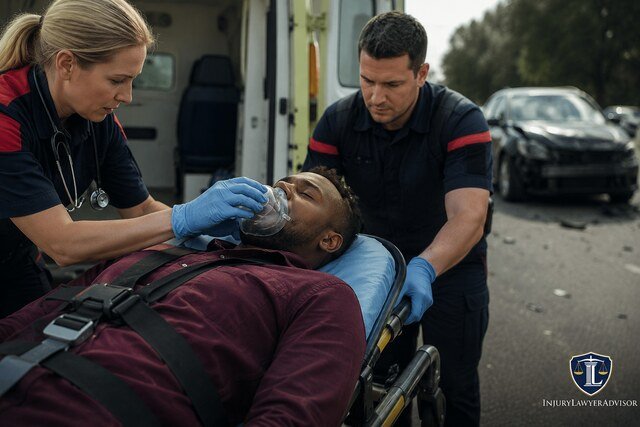
Medical treatment should be the first priority after any public place injury. Even when injuries appear minor, symptoms may develop hours or days later. Prompt evaluation helps identify hidden injuries and creates medical documentation that may become important later.
Emergency medical professionals assess the severity of injuries and determine whether further treatment is necessary. Conditions such as concussions, internal bleeding, spinal injuries, and soft tissue damage may not be immediately visible but can worsen if left untreated.
Medical records establish a connection between the accident and the injury. Physicians document symptoms, diagnoses, treatment plans, medications, and recovery expectations. This information often becomes a central component of insurance claims and legal proceedings.
Follow-up appointments are equally important. Consistent treatment demonstrates that injuries are genuine and that recovery efforts are ongoing. Missed appointments or unexplained treatment gaps can create challenges when proving the extent of damages.
Document the Accident Scene Thoroughly
Evidence collected immediately after an accident can significantly influence the outcome of a claim. Conditions often change quickly once property owners become aware of a hazardous situation.
Photographs should capture the exact location where the injury occurred. Images should include the hazard itself, surrounding conditions, warning signs if present, lighting conditions, weather conditions, and any visible injuries. Multiple angles provide a more complete record of the scene.
Video recordings can further demonstrate environmental conditions and show how the hazard contributed to the incident. For example, a video may reveal poor lighting, obstructed pathways, or unsafe floor conditions that photographs alone cannot fully illustrate.
Preserving physical evidence may also be helpful. Damaged clothing, broken footwear, torn personal belongings, and other items involved in the incident can support claims regarding how the accident occurred.
The sooner evidence is collected, the stronger its reliability becomes. Delays increase the likelihood that repairs, cleaning efforts, weather changes, or normal operations will alter the scene.
Gather Witness Information and Supporting Statements
Witness testimony can provide valuable independent confirmation of an accident. Neutral observers often help establish how an incident occurred and whether dangerous conditions existed before the injury.
Names, phone numbers, email addresses, and physical addresses should be obtained whenever possible. Witnesses may include customers, employees, passersby, security personnel, or maintenance workers who observed the event or noticed the hazard beforehand.
Written statements can preserve memories while details remain fresh. Witness recollections tend to become less accurate over time, making prompt documentation particularly important.
Some witnesses may have photographs or videos recorded on mobile devices. These materials can supplement other evidence and provide additional perspectives regarding the circumstances of the accident.
Independent witness accounts often carry substantial weight because they are generally viewed as less biased than statements made by the injured party alone.
Report the Injury to the Responsible Property Authority
Formal reporting creates an official record of the incident. Whether the injury occurs at a private business, public facility, transportation station, hotel, school, or municipal property, notifying the responsible authority is an important step.
Businesses typically generate incident reports that describe the event, identify involved individuals, and record the date, time, and location. Requesting a copy of the report or obtaining the report number can be beneficial.
When injuries occur on government-owned property, additional reporting procedures may apply. Parks departments, municipalities, transportation agencies, and public institutions often have specific notice requirements that must be followed.
Accident reports should contain factual information. Speculation about fault, assumptions regarding causes, or statements minimizing injuries should be avoided. Accuracy is critical because reports may later be reviewed by insurance adjusters, investigators, attorneys, and courts.
Reporting the incident promptly demonstrates seriousness and reduces opportunities for disputes regarding when or where the injury occurred.
Preserve Records Related to Medical Treatment and Expenses
Financial documentation helps establish the economic impact of an injury. Organized records provide a clear picture of losses associated with medical care and recovery.
Medical bills often include emergency room charges, physician consultations, diagnostic imaging, surgeries, rehabilitation services, medications, and medical equipment. Each expense contributes to the overall damages calculation.
Transportation costs associated with treatment may also be relevant. Travel expenses for appointments, parking fees, and specialized transportation services can become significant during lengthy recovery periods.
Lost income records are equally important. Pay stubs, tax returns, employer statements, attendance records, and documentation of missed work help quantify wage losses resulting from the injury.
Maintaining a dedicated file for all records ensures information remains accessible and reduces the risk of losing critical documentation during the claims process.
Important Records to Preserve
| Record Type | Purpose |
| Medical reports | Confirm diagnosis and treatment |
| Hospital bills | Demonstrate healthcare expenses |
| Prescription receipts | Verify medication costs |
| Wage records | Establish lost income |
| Incident reports | Confirm accident details |
| Witness statements | Support liability claims |
| Photographs and videos | Document hazardous conditions |
| Insurance correspondence | Track claim communications |
Evaluate Property Owner Responsibilities and Liability
Property owners and occupiers generally have a duty to maintain reasonably safe conditions for visitors. Liability often depends on whether they knew or should have known about a dangerous condition and failed to address it appropriately.
Businesses must conduct inspections, repair hazards, clean dangerous conditions, and provide adequate warnings when risks cannot be immediately eliminated. Failure to meet these responsibilities may constitute negligence.
Maintenance companies can also become involved when contracted services are performed improperly. A cleaning contractor that leaves floors excessively slippery or a maintenance provider that neglects repairs may share responsibility.
Government entities may face liability under certain circumstances involving public sidewalks, parks, transit facilities, or municipal buildings. However, claims involving government agencies often follow different procedural requirements and deadlines.
Liability investigations typically examine inspection records, maintenance logs, surveillance footage, employee training procedures, safety policies, and prior complaints about the hazard.
Understand How Different Public Locations Create Unique Risks
Each type of public location presents distinct safety concerns and liability considerations. Understanding these differences can help injured individuals identify potential sources of responsibility.
Retail stores commonly face risks related to spills, falling merchandise, crowded aisles, and inadequate maintenance. Employees are generally expected to monitor and address hazards promptly.
Restaurants frequently encounter slip hazards caused by food spills, beverage leaks, grease accumulation, and cleaning activities. Poor lighting and crowded seating arrangements can increase risks further.
Public parks may contain defective playground equipment, uneven pathways, damaged benches, exposed roots, and inadequate maintenance. Recreational facilities also face obligations to maintain reasonably safe environments.
Transportation facilities such as airports, train stations, and bus terminals experience high pedestrian traffic. Escalator malfunctions, slippery floors, inadequate signage, and structural defects can contribute to accidents.
Hotels, entertainment venues, schools, hospitals, and office buildings each possess unique operational responsibilities that influence how liability is evaluated following an injury.
Calculate the Full Impact of the Injury
The consequences of a public place injury often extend beyond immediate medical expenses. A comprehensive assessment considers both economic and non-economic losses.
Economic damages include measurable financial losses such as hospital bills, physician fees, rehabilitation costs, medication expenses, lost wages, and reduced earning capacity. These damages can frequently be documented through records and receipts.
Non-economic damages involve pain, suffering, emotional distress, reduced quality of life, and loss of enjoyment of normal activities. Although more difficult to quantify, these effects can significantly influence recovery outcomes.
Severe injuries may require long-term care, home modifications, mobility equipment, occupational therapy, or ongoing medical monitoring. Future expenses should be considered when evaluating damages.
The full impact of an injury may not become apparent immediately. Long recovery periods often reveal additional costs and limitations that were not initially anticipated.
Communicate Carefully With Insurance Representatives
Insurance companies often play a central role in resolving public place injury claims. While insurers investigate accidents and evaluate damages, their financial interests may differ from those of injured individuals.
Providing accurate factual information is important, but statements should remain limited to known facts. Speculation regarding fault, injury severity, or future recovery should generally be avoided until medical evaluations are complete.
Recorded statements may be requested during investigations. Individuals should understand the purpose of such requests and ensure that responses accurately reflect known information.
Documentation strengthens communication with insurers. Medical records, photographs, witness information, expense records, and incident reports help support claims and reduce disputes.
Maintaining written records of conversations, emails, letters, and claim-related communications creates a clear history of interactions throughout the process.
Pursue Fair Compensation Through Appropriate Legal Channels
When negotiations fail to produce a reasonable resolution, additional legal options may become available. The appropriate course of action depends on the circumstances of the injury and applicable laws.
Legal professionals often investigate liability, gather evidence, consult experts, evaluate damages, negotiate settlements, and represent injured individuals during litigation if necessary.
Settlement negotiations frequently occur before trial. Many public place injury claims are resolved through discussions between injured parties, insurance companies, and legal representatives.
If litigation becomes necessary, courts may examine evidence related to negligence, notice of hazards, safety practices, medical damages, and other relevant factors. Judicial proceedings provide a structured process for resolving disputes when agreements cannot be reached.
Understanding applicable deadlines is essential. Statutes of limitation and notice requirements can affect the ability to pursue compensation. Delays may jeopardize legal rights regardless of the merits of a claim.
Implement Preventive Measures to Reduce Future Risks
Preventing injuries benefits both visitors and property operators. Safety awareness and proactive maintenance contribute to safer public environments.
Property owners should conduct routine inspections, repair defects promptly, improve lighting, maintain walkways, install warning signs when necessary, and implement employee safety training programs.
Consistent maintenance reduces accident frequency and demonstrates commitment to public safety.
Visitors can also take practical precautions. Paying attention to surroundings, wearing appropriate footwear, using handrails, observing warning signs, and reporting hazards help reduce exposure to preventable risks.
Technology increasingly supports injury prevention. Surveillance systems, digital inspection tools, maintenance tracking software, and automated reporting systems help organizations identify hazards before accidents occur.
A culture of safety depends on cooperation among property owners, employees, contractors, visitors, and regulatory authorities. Continuous improvement efforts create safer public spaces for everyone.
Conclusion
Injuries in public places can occur in stores, restaurants, sidewalks, parks, transportation facilities, hotels, and countless other environments. When unsafe conditions lead to accidents, taking immediate action is essential. Obtaining medical care, documenting the scene, collecting witness information, reporting the incident, preserving records, and understanding liability all contribute to protecting legal and financial interests.
Property owners, businesses, maintenance providers, and government entities have responsibilities to maintain reasonably safe environments. When those responsibilities are neglected, injured individuals may have grounds to pursue compensation for medical expenses, lost income, pain, suffering, and other damages. A careful, evidence-based approach provides the strongest foundation for recovery and helps ensure that public spaces remain safer for future visitors.
FAQ’s
1. What qualifies as an injury in a public place?
An injury in a public place occurs when a person is harmed on property accessible to the public, such as stores, parks, sidewalks, restaurants, hotels, transportation facilities, or government buildings.
2. What should I do immediately after being injured in a public place?
Seek medical attention, document the scene, gather witness information, report the incident to the property authority, and preserve all related records and evidence.
3. Can a property owner be held responsible for my injury?
A property owner may be responsible if negligence contributed to the accident, such as failing to repair hazards, provide warnings, conduct inspections, or maintain safe conditions.
4. What evidence is most important in a public injury claim?
Photographs, videos, medical records, witness statements, incident reports, surveillance footage, maintenance records, and expense documentation are often among the most valuable forms of evidence.
5. How is compensation calculated after a public place injury?
Compensation may include medical expenses, rehabilitation costs, lost wages, reduced earning capacity, pain and suffering, emotional distress, and other injury-related losses.
6. Are there time limits for filing a claim after a public place injury?
Yes. Filing deadlines vary by jurisdiction and may differ when government entities are involved. Prompt action is important because missing applicable deadlines can affect legal rights.
